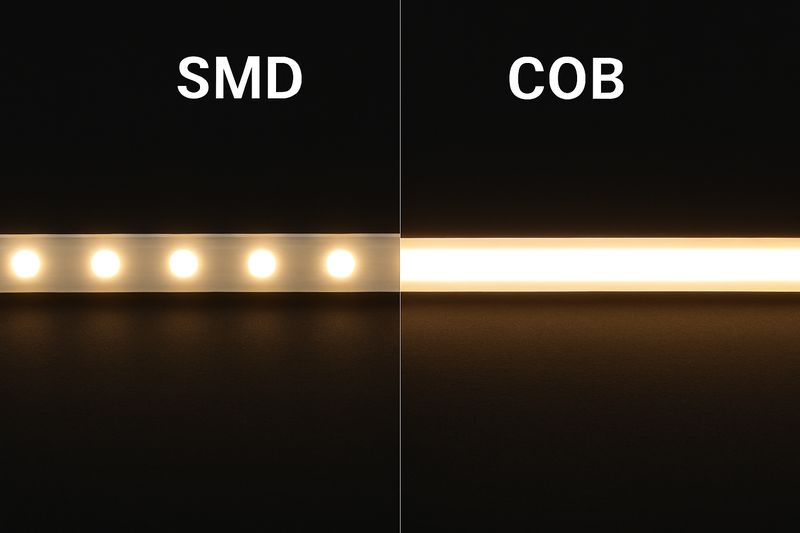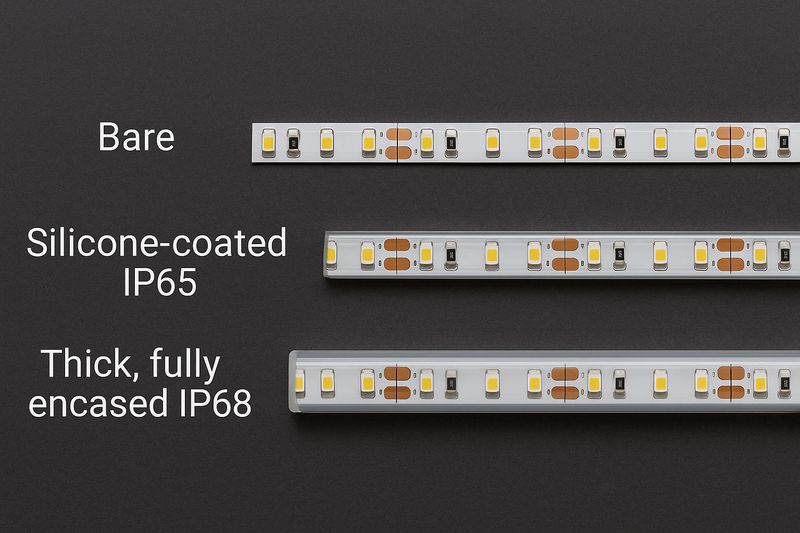
Struggling with faded colors or improper illumination damaging valuable artworks? Discover professional techniques museums use for perfect presentation.
The ideal gallery lighting combines 95+ CRI LEDs, 3000-4000K color temperature, and 150-200 lux intensity. Track systems with adjustable beam angles (15°-45°) prevent UV/IR damage while highlighting textures.
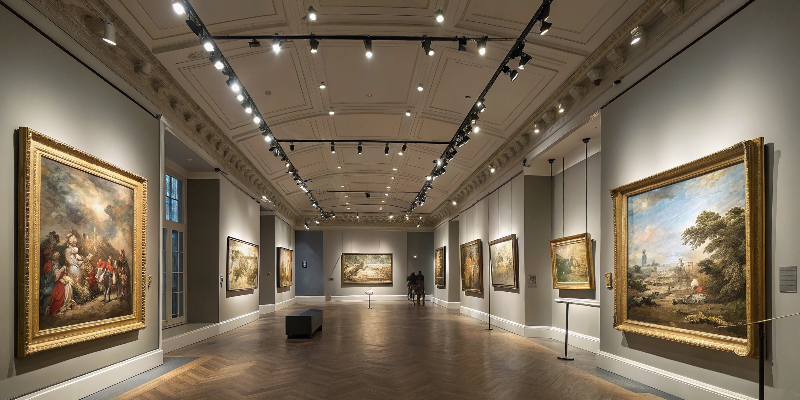
Implementing these lighting solutions requires understanding seven critical technical parameters and industry standards.
What Are the Lighting Rules for Galleries?
International conservation standards dictate non-negotiable parameters.
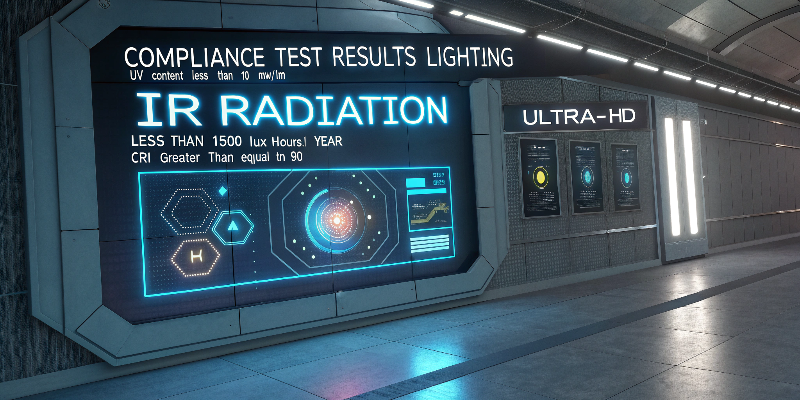
Key regulations per CIE 157:2004 and ISO 11799:
1. UV content < 10 µW/lm
2. IR radiation < 1500 lux-hours/year
3. CRI ≥ 90
4. Light sensitive materials ≤ 50 lux
Exhibition Requirements
| Material Type | Max Lux | Annual Exposure Limit |
|---|---|---|
| Oil Paintings | 150-200 | 600,000 lux-hours |
| Watercolors | 50 | 150,000 lux-hours |
| Photographs | 75 | 75,000 lux-hours |
Our LED strips1 meet ISO 189372 accelerated fading tests3, delivering 0% UV output and <0.8 damage factor.
What Type of Light Is Best for Artwork?
Three light sources dominate professional galleries:
- LED Track Lights: Adjustable 15°-45° beams, dimmable
- Fiber Optics: Zero heat/UV, for sensitive materials
- Museum-Grade LEDs: 97 CRI, 3000K-4000K
Avoid halogen (high IR) and fluorescent (UV emissions).
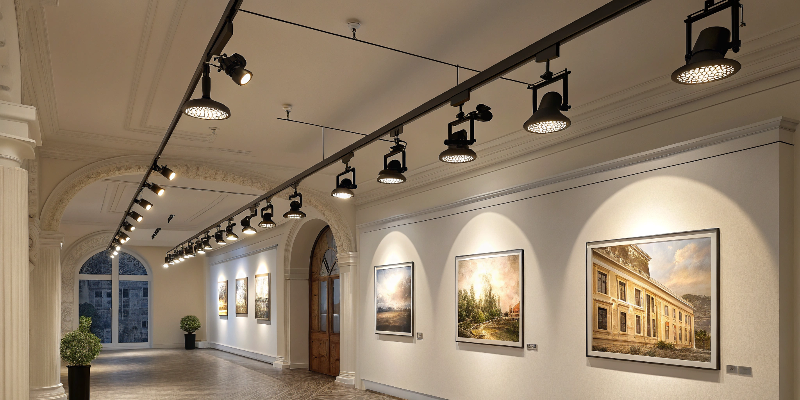
Technical Specifications
| Parameter | LED | Halogen | Fiber Optic |
|---|---|---|---|
| CRI | 95-98 | 99-100 | N/A |
| Efficiency (lm/W) | 90-130 | 15-20 | 25-40 |
| UV Emission | None | Moderate | None |
How Many Lumens for Gallery Lighting?
Calculating precise lumen requirements prevents over-illumination damage.
Use this formula:
Lumens = Lux × Area (m²) / Fixture Efficiency (0.7-0.85)
Example: 50m² gallery at 150 lux needs ~8,800-10,700 lumens.
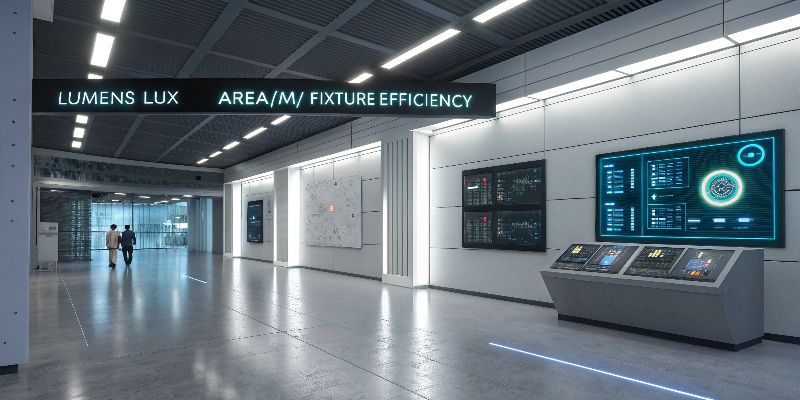
Recommended Illuminance
| Surface | Recommended Lux4 |
|---|---|
| White Walls | 200-300 |
| Dark Walls | 300-500 |
| Sculptures | 250-400 |
Our dimmable LED strips5 (12W/m) provide 900 lm/ft6, allowing precise lighting control.
What Is the Best Light Temperature for an Art Gallery?
Color temperature dramatically alters artwork perception.
Temperature guidelines:
– 2700-3000K: Classic oil paintings
– 3500-4000K: Modern acrylics, sculptures
– 5000K+: Historical/archival spaces
Maintain ±150K consistency across fixtures.
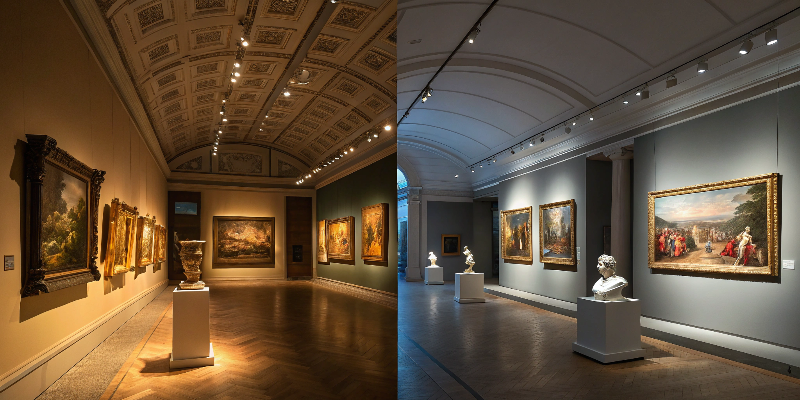
Spectral Power Distribution
| Temperature | CCT (K) | Dominant Wavelength |
|---|---|---|
| Warm White | 3000 | 585-600nm |
| Neutral | 4000 | 500-570nm |
Our 97 CRI LEDs maintain color consistency across dimming ranges (10-100%).
What Is the Best Lighting for Art Galleries?
Four professional systems dominate museum applications.
- Adjustable Track Lighting: 15-45° beam control
- Recessed Wall Washers: 25-40° vertical grazing
- LED Frame Lighting: <5mm profile for frame integration
- Fiber Optic Spotlights: For heat-sensitive pieces
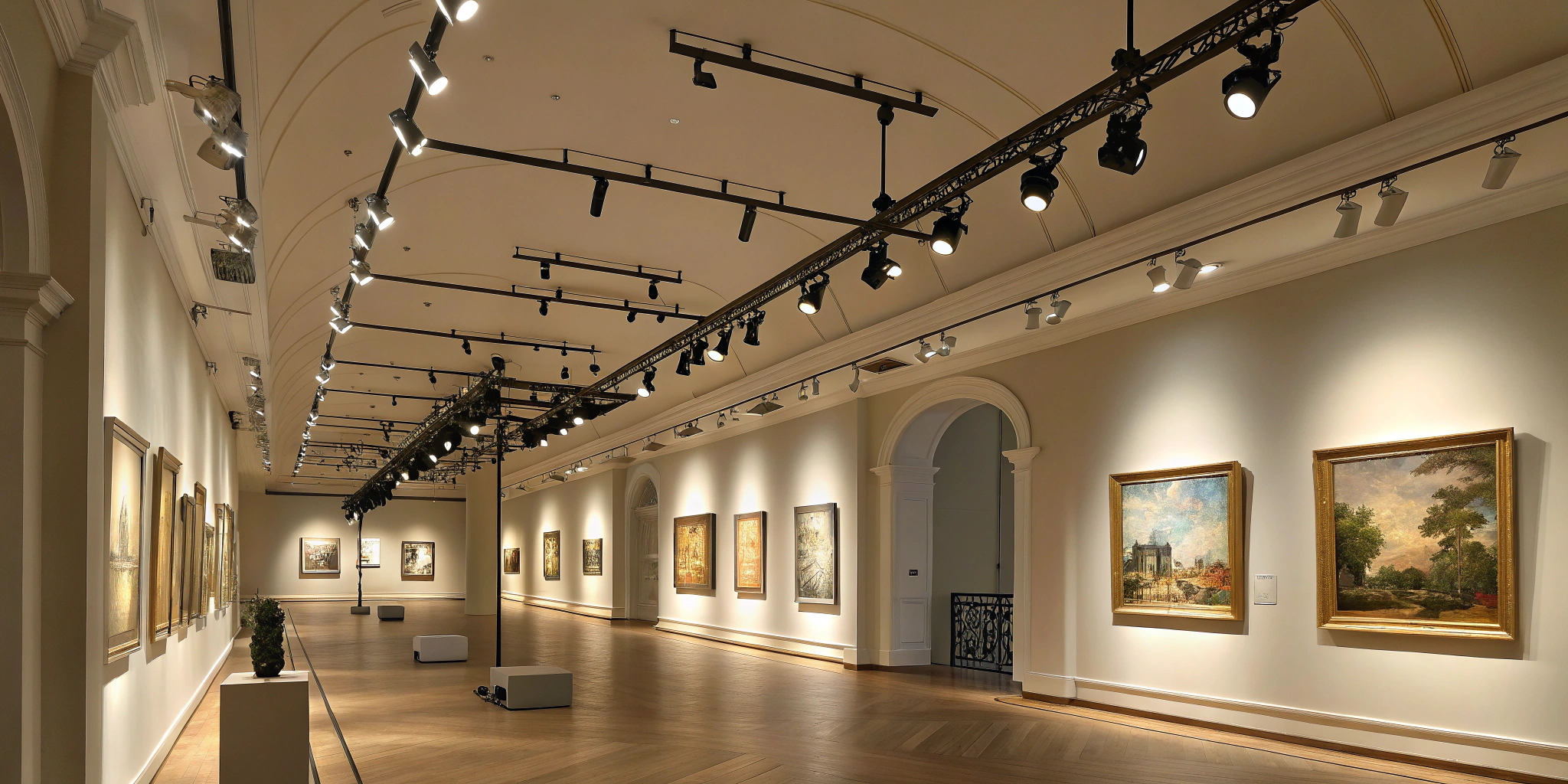
Fixture Specifications
| Type | Beam Angle | CCT Range | Dimming |
|---|---|---|---|
| Museum Track Head | 10°-60° | 2700-5000K | 0-10V/PWM |
| Linear Wall Washer | 25° | 3000-4000K | DALI |
| Frame Light | 120° | 2700K/4000K | On/Off |
What Is the Golden Rule of Lighting?
Preservation trumps visibility in professional curation.
The 150 Lux/50,000 Hours Rule: Never exceed 150 lux illumination or 50,000 exposure hours annually for light-sensitive materials (>4% pigment fading risk).
Damage Prevention Metrics
| Material | Thresholds | Protective Measures |
|---|---|---|
| Prints/Photos | 50 lux × 6h/day max | Motion-activated lighting |
| Oil Paintings | 200 lux × 8h/day | UV-filter glazing |
| Textiles | 50 lux × 4h/day | Rotate exhibits quarterly |
Our smart systems integrate occupancy sensors timed illumination (max 6h/day continuous).
Conclusion
Optimal gallery lighting balances artwork preservation (150 lux, 3000K, 95+ CRI) with visual impact. For UL-certified museum-grade LED solutions meeting ISO 11799 standards, request our lighting design portfolio and spectral reports.
-
Explore how LED strips can protect artworks while providing optimal lighting for exhibitions. ↩
-
Learn about ISO 18937 standards and their significance in preserving artworks from fading. ↩
-
Understand the role of accelerated fading tests in ensuring the longevity of displayed artworks. ↩
-
Understanding recommended lux levels can help you achieve optimal lighting for various surfaces, enhancing aesthetics and functionality. ↩
-
Dimmable LED strips offer flexibility in lighting design, allowing you to create the perfect ambiance for any space. ↩
-
Learning about lumens per foot helps you understand lighting efficiency and how to choose the right lighting for your needs. ↩