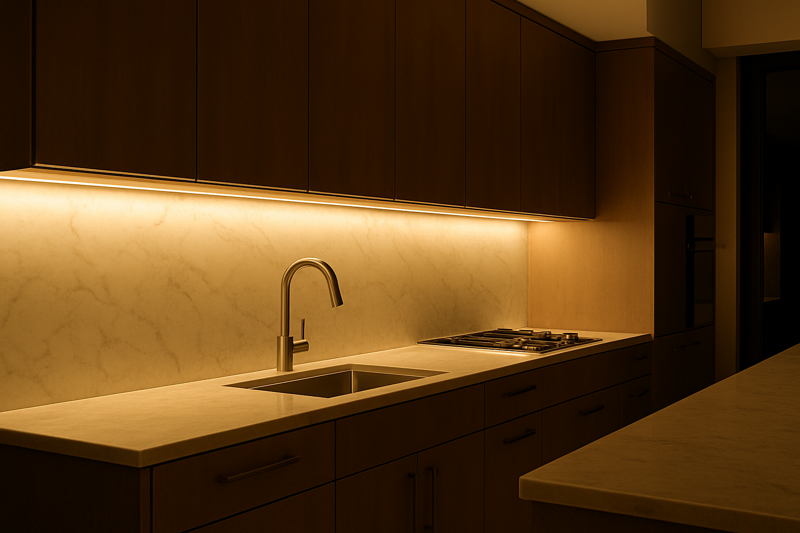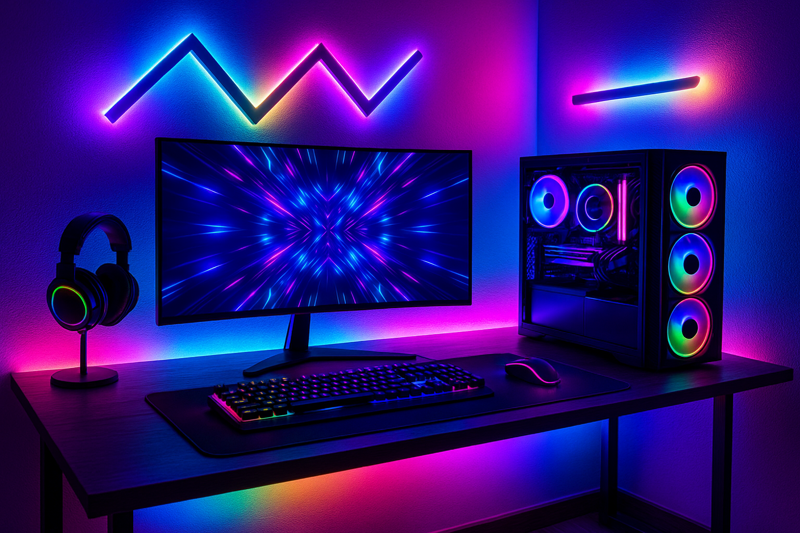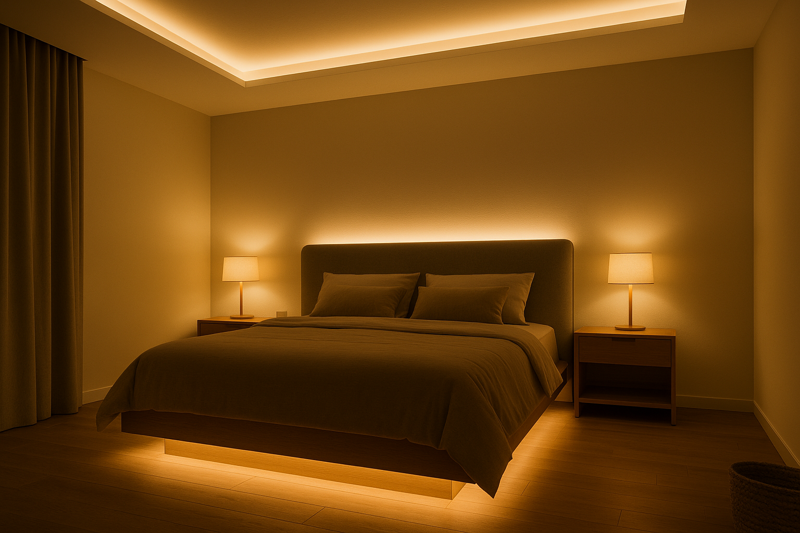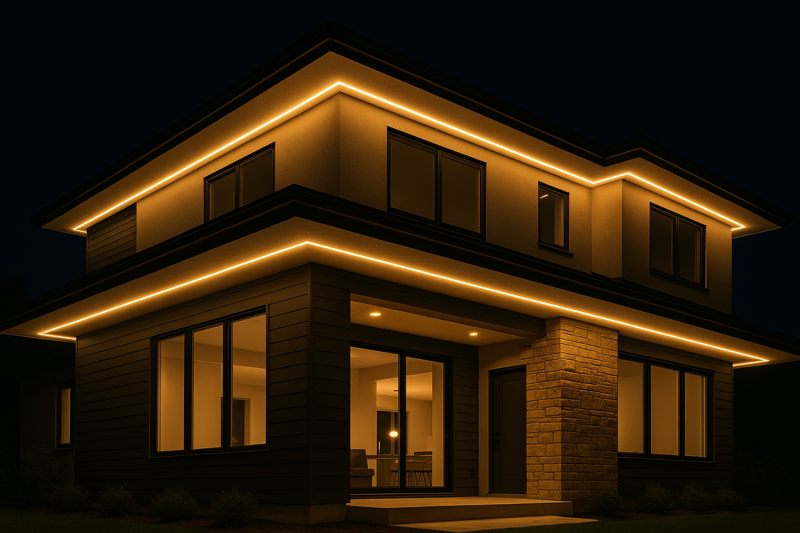
LED strip lights are increasingly becoming the go-to lighting option for many. Their advantages over traditional lighting solutions make them an attractive choice for homeowners, designers, and businesses. Let’s explore the key benefits that make LED strip lights so desirable.
LED strip lights offer energy efficiency, long lifespan, and versatile applications, making them ideal for various lighting needs.
Curious about why these lights are becoming so popular? Let’s explore the reasons behind their rise in popularity.
Why are LEDs becoming so popular?
LED strip lights are rising in popularity for a variety of reasons, with energy efficiency being one of the top factors. Over the years, more people have recognized the numerous benefits of using LED lights over traditional alternatives like incandescent or fluorescent bulbs. But beyond energy savings, what makes LED strip lights so appealing?
LED strip lights are becoming increasingly popular due to their energy efficiency, long lifespan, and the variety of design possibilities they offer.
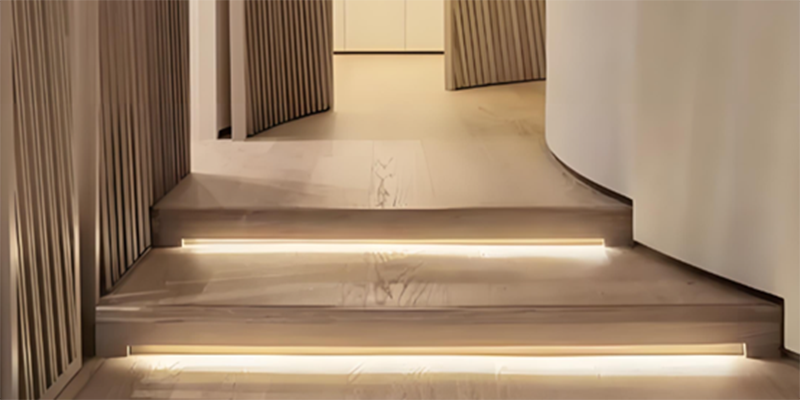
One of the main reasons LED strip lights have surged in popularity is their energy efficiency. LED lights consume significantly less power than traditional light bulbs, allowing for reduced energy costs. For example, a typical LED strip light uses up to 80% less electricity than an incandescent bulb of the same brightness. This energy savings is particularly noticeable in environments where lights are used for extended periods, such as homes, offices, and retail stores.
LEDs are also much more durable than traditional bulbs. They are solid-state lights, meaning they don’t rely on fragile filaments or glass, which can easily break. This durability, combined with their energy efficiency, makes LEDs a great long-term investment. Additionally, LED strip lights can be customized in terms of color, length, and brightness, allowing users to create unique lighting effects for various settings. These features make LED strip lights suitable for residential, commercial, and even outdoor applications.
Benefits of LED vs. Traditional Lights
| Feature | LED Strip Lights | Traditional Lights |
|---|---|---|
| Energy Consumption1 | Low | High |
| Lifespan2 | 50,000+ hours | 1,000-2,000 hours |
| Durability | High (solid-state) | Low (fragile) |
| Customizability | High (variety of colors) | Limited |
How LED Strip Lights Save Energy
LED strip lights are built to use less energy, converting a higher percentage of electrical power into visible light. Unlike incandescent bulbs that lose much of their energy in the form of heat, LEDs focus on creating light while using minimal electricity. This efficiency translates into lower energy bills and a more sustainable way to light up spaces.
Environmental Impact of LEDs3
By consuming less energy and lasting longer, LED strip lights contribute to reducing carbon emissions. Since they help decrease the need for frequent replacements and lower electricity use, they are considered an eco-friendly lighting option, aligning with sustainability goals.
Is it OK to leave LED strip lights on all night?
One of the most common questions about LED strip lights is whether it’s safe to leave them on overnight. With their energy efficiency and long lifespan, people often wonder if leaving them on for extended periods can have any negative effects. Let’s explore this concern.
It’s generally safe to leave LED strip lights on overnight since they are designed to handle long hours of use without overheating or malfunctioning.
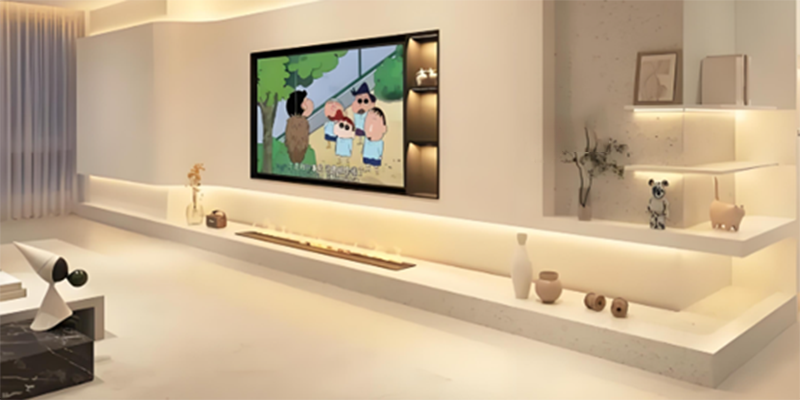
LED strip lights are designed to last for long periods of continuous use. Unlike incandescent lights that heat up and can be a fire hazard when left on too long, LED strip lights are much safer. They generate significantly less heat, reducing the risk of overheating and making them suitable for extended use. The long lifespan of LEDs also means that leaving them on overnight won’t drastically reduce their effectiveness or longevity.
However, there are a few considerations to keep in mind. If your LED strip lights are equipped with a dimmer or controller, using these features to adjust the brightness can help reduce the stress on the lights, ensuring that they remain functional for a longer period. Additionally, ensuring proper ventilation around the lights can help maintain their temperature, especially in warmer environments.
Key Considerations for Leaving LED Lights On
| Factor | Impact on LEDs |
|---|---|
| Heat Generation | Minimal, safe for prolonged use |
| Use of Dimmer | Can extend the lifespan |
| Ventilation | Ensures efficient performance |
Optimal Placement for Long-Term Use
To optimize the lifespan of LED strip lights that stay on for long periods, ensure they are installed in cool, well-ventilated spaces. Avoid areas with high ambient temperatures that could potentially reduce the light’s performance over time. Good air circulation is key to ensuring that your LED strip lights continue to perform efficiently.
Use of Smart Controllers for Efficiency
Using smart controllers or dimmers with your LED strips allows you to adjust the light’s intensity, which can further reduce the energy consumption and enhance the lifespan. These features are especially useful in areas where the lighting doesn’t need to be at full intensity all the time.
Do LED strip lights make your electric bill high?
A common concern with any type of lighting is its impact on the electric bill. Given their energy-efficient reputation, do LED strip lights really help save on electricity costs? Let’s find out.
LED strip lights are highly energy-efficient, meaning they won’t significantly impact your electric bill, even with extended use.
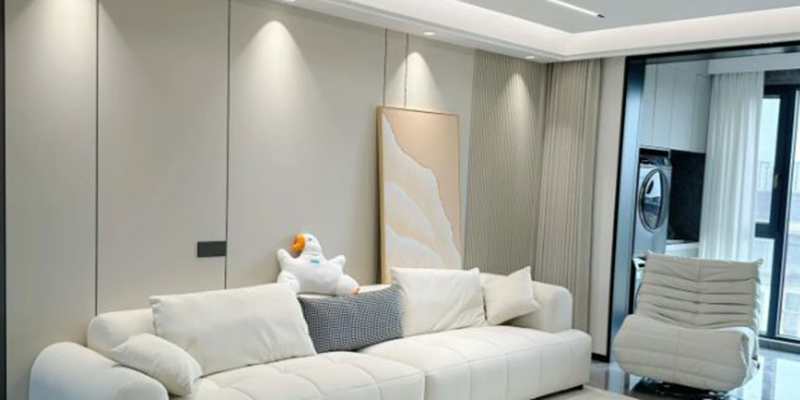
LED strip lights are known for their energy-saving qualities. Unlike incandescent or fluorescent bulbs that waste a significant amount of energy in the form of heat, LED strip lights convert most of the electricity into light, resulting in less energy consumption. This makes them much more cost-effective in the long run, especially if you use them regularly. Even when running for long periods each day, LED strip lights will not contribute significantly to your electricity bill.
For example, a typical 5-meter LED strip light can consume as little as 10 watts per meter. In comparison, a traditional bulb may use 60 watts or more to provide the same amount of light. Over time, this energy savings can add up, making LED strip lights a financially sensible choice for both residential and commercial lighting.
Power Consumption Comparison
| Light Type | Power Consumption (per meter) | Annual Energy Cost (per 12 hours/day) |
|---|---|---|
| LED Strip Light | 2W | $2.40 |
| Incandescent Bulb | 60W | $24.00 |
| Fluorescent Bulb | 15W | $6.00 |
Annual Savings with LED Strip Lights
Because LED strip lights4 consume so little energy, they significantly lower the cost of electricity over time. If you have several rooms or a large space to light up, switching to LED strips can result in considerable savings annually, especially when compared to older, less efficient lighting systems.
How LED Lights Impact Your Carbon Footprint
With their low energy usage5, LED strip lights help reduce overall electricity demand, which in turn lowers carbon emissions. This makes them a better choice for anyone looking to reduce their environmental impact while still enjoying high-quality lighting.
What is the lifespan of LED strip lights?
LED strip lights are known for their long lifespan, which is one of the main reasons why they are considered a great investment. But just how long can they last, and what factors contribute to their longevity?
LED strip lights typically last up to 50,000 hours, far outlasting traditional bulbs, which means fewer replacements and less maintenance.
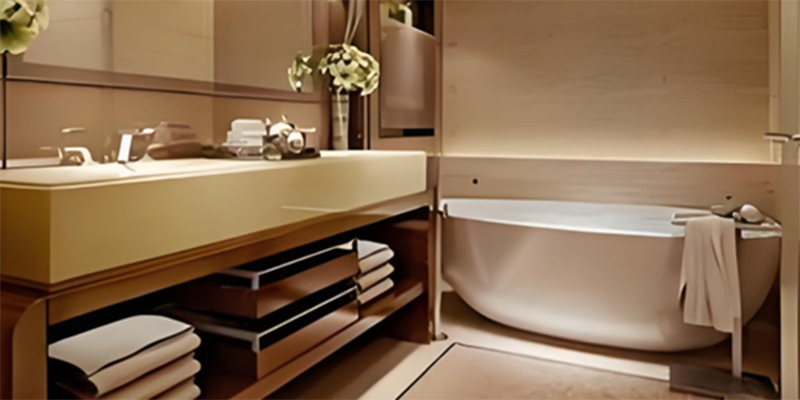
The lifespan of LED strip lights is one of their most impressive features. On average, LED strip lights can last anywhere from 25,000 to 50,000 hours, depending on the quality of the lights and how they are used. In contrast, traditional incandescent bulbs typically last only 1,000 to 2,000 hours. This means that LED strip lights can continue providing reliable illumination for many years before needing to be replaced.
Factors that contribute to the lifespan of LED strip lights include the quality of the power supply, the operating environment (such as temperature and humidity), and the frequency of use. A high-quality LED strip installed in a cool, dry environment will last much longer than one exposed to high temperatures or excessive moisture. The durable nature of LEDs also means that they are less likely to burn out or degrade over time compared to other lighting options.
How Long Do Different Types of LEDs Last?
| LED Type | Average Lifespan (hours) | Factors That Affect Lifespan |
|---|---|---|
| Standard LED Strips | 50,000+ | Quality of LEDs, Operating Conditions |
| High-Quality LEDs | 70,000+ | Controlled Temperature, Power Stability |
| Incandescent Bulbs | 1,000-2,000 | Filament Wear, Heat Exposure |
Ensuring Maximum Lifespan for LED Strip Lights
To maximize the lifespan of your LED strip lights, make sure they are used within their recommended temperature range. Keeping the environment cool and dry will prevent premature degradation. Moreover, using high-quality drivers6 and controllers can help regulate power, contributing to longer operational hours.
Is it worth getting LED strip lights?
Given all the benefits of LED strip lights, you may still wonder whether it’s worth investing in them. Let’s evaluate whether the advantages justify the cost.
LED strip lights are definitely worth the investment, thanks to their energy savings, long lifespan, and design versatility, making them ideal for various applications.
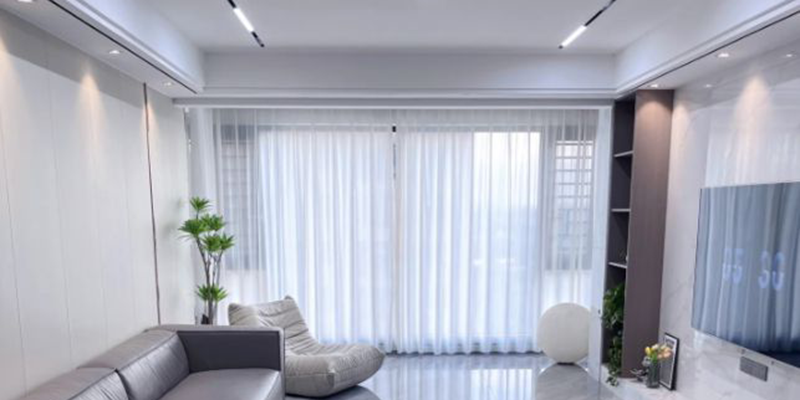
LED strip lights are an excellent investment for both residential and commercial applications. While they may have a higher upfront cost than traditional lighting options, the long-term savings on electricity bills and the reduced need for bulb replacements make them well worth it. Their longevity means you won’t have to worry about changing bulbs for years, and their energy efficiency helps you save money every month.
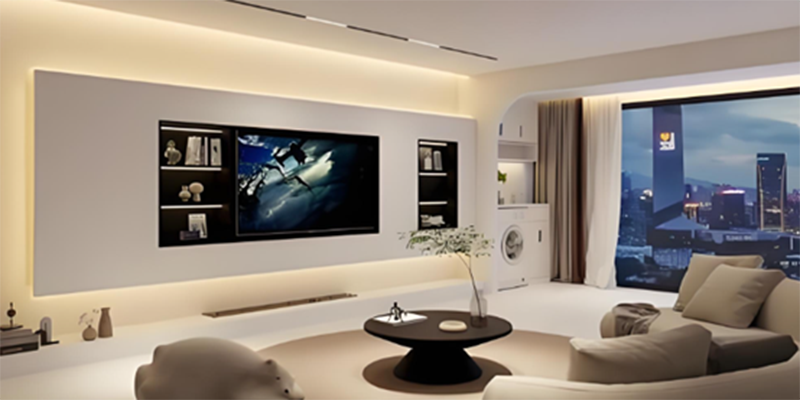
Furthermore, LED strip lights offer exceptional versatility. Whether you’re looking to add ambient lighting to your living room, create custom lighting effects for a business, or illuminate a garden, LED strip lights can be tailored to fit any need. This level of flexibility, combined with their affordability over time, makes LED strip lights an excellent choice for anyone looking to enhance their space.
When Are LED Strip Lights Worth It?
| Use Case | Key Benefit |
|---|---|
| Residential Lighting | Energy savings, long lifespan |
| Commercial Lighting | Reduced maintenance costs, customizability |
| Outdoor or Event Lighting | Flexibility, visual appeal |
Long-Term Value of LED Strip Lights
While LED strip lights may seem like an expensive upfront investment, their long-term value is undeniable. The savings on energy bills and the need for fewer replacements make them a cost-effective solution. When you factor in their lifespan and energy efficiency, the value of LED strip lights over time far exceeds that of traditional lighting systems.
Conclusion
LED strip lights offer energy efficiency, long lifespan, and customizable designs, making them an excellent investment for various lighting projects.
-
Understanding the advantages of low energy consumption can help you make informed choices for energy efficiency and cost savings. ↩
-
Exploring the lifespan differences can highlight the long-term savings and benefits of switching to LED lighting. ↩
-
Discover how LED lights contribute to sustainability and reduce carbon footprints, making them a better choice for the planet. ↩
-
Explore this link to understand how LED strip lights can save you money and energy in your home or business. ↩
-
Discover the differences in energy usage between LED and traditional lighting to make informed choices for your space. ↩
-
Discover how investing in high-quality drivers can significantly enhance the performance and lifespan of your LED lighting systems. ↩