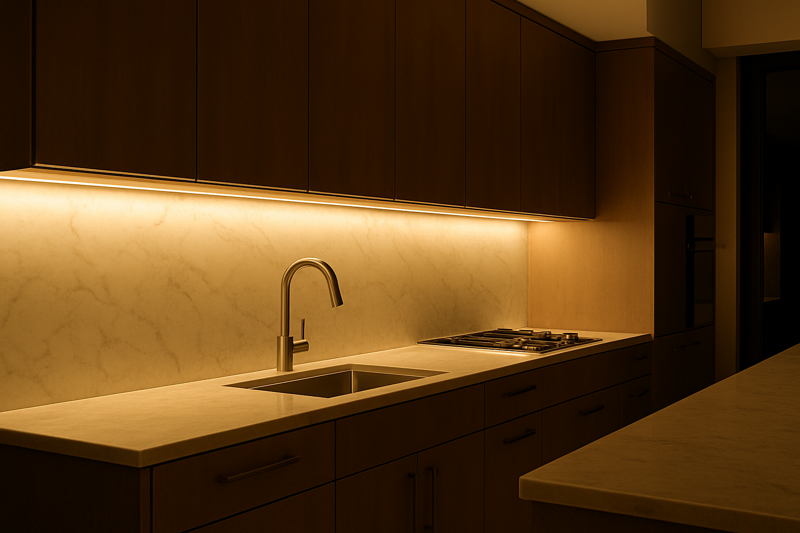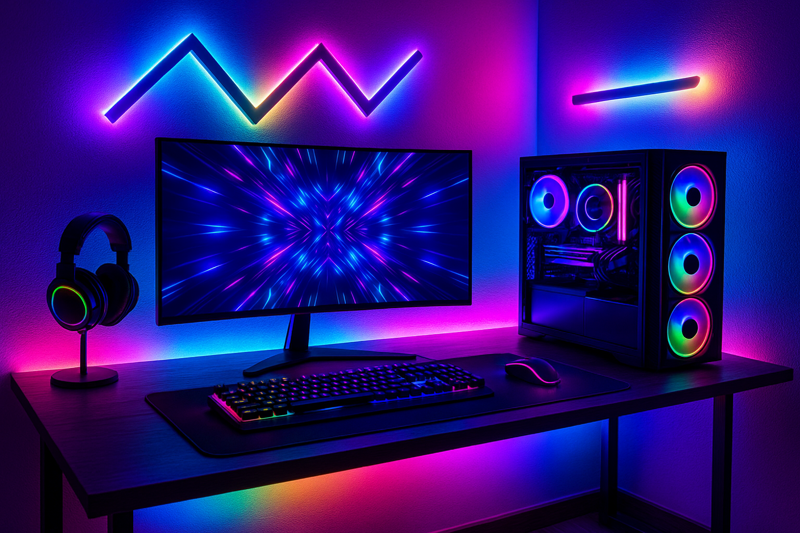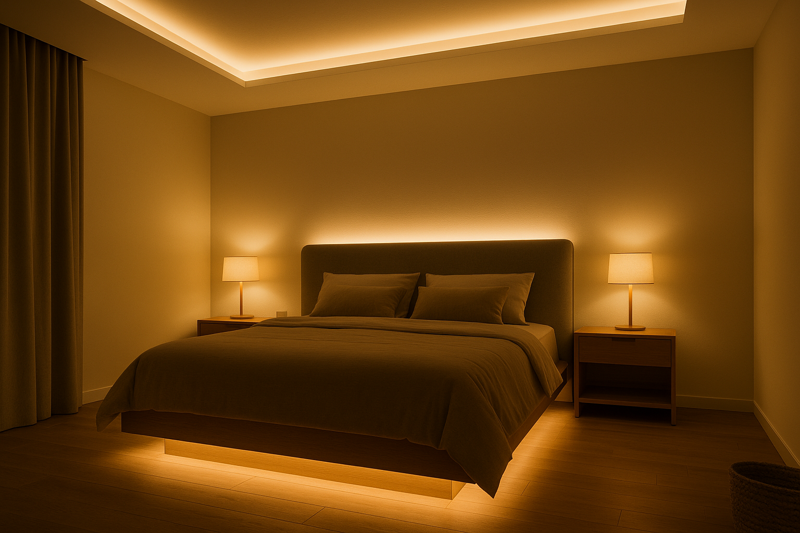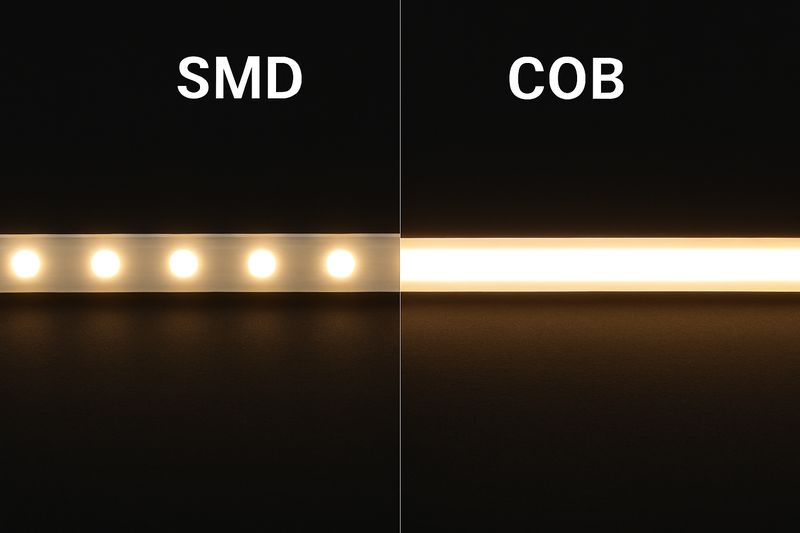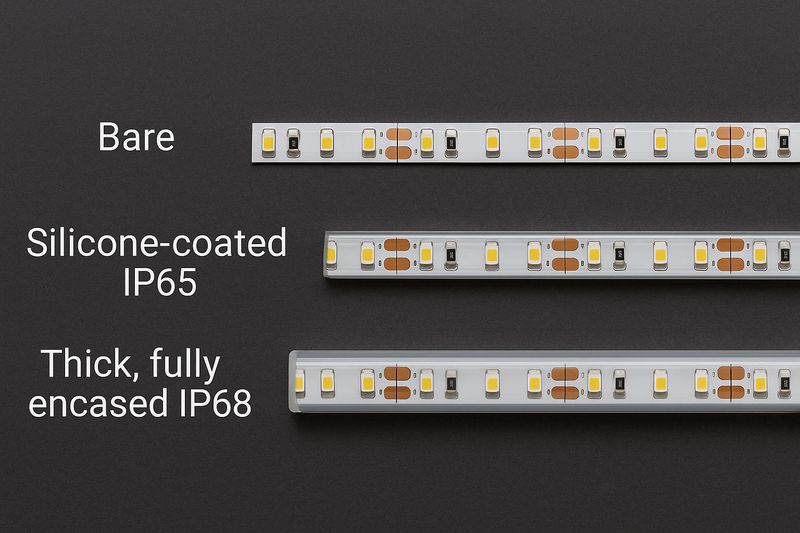
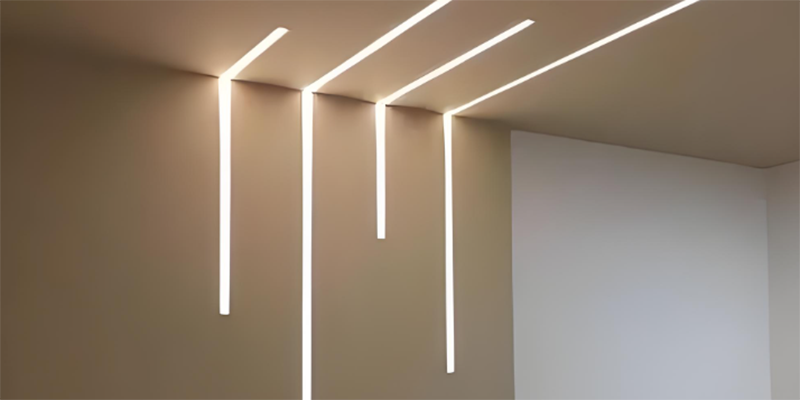
LED strip lights are a fantastic addition to any space, but how do you make them work around corners without compromising their aesthetic appeal or functionality?
LED strip lights offer a flexible solution for illuminating hard-to-reach areas, but running them around corners can pose a challenge. This article guides you through the process.
If you’ve been struggling with how to make your LED lights go around corners seamlessly, this article will help you solve it with some simple tips and tricks.
How to make LED lights go around a corner?
LED strips are known for their flexibility, but corners can be tricky. The right approach ensures a clean and effective installation.
Using connectors is the easiest way to navigate corners. These connectors allow the strip to bend while maintaining full functionality.
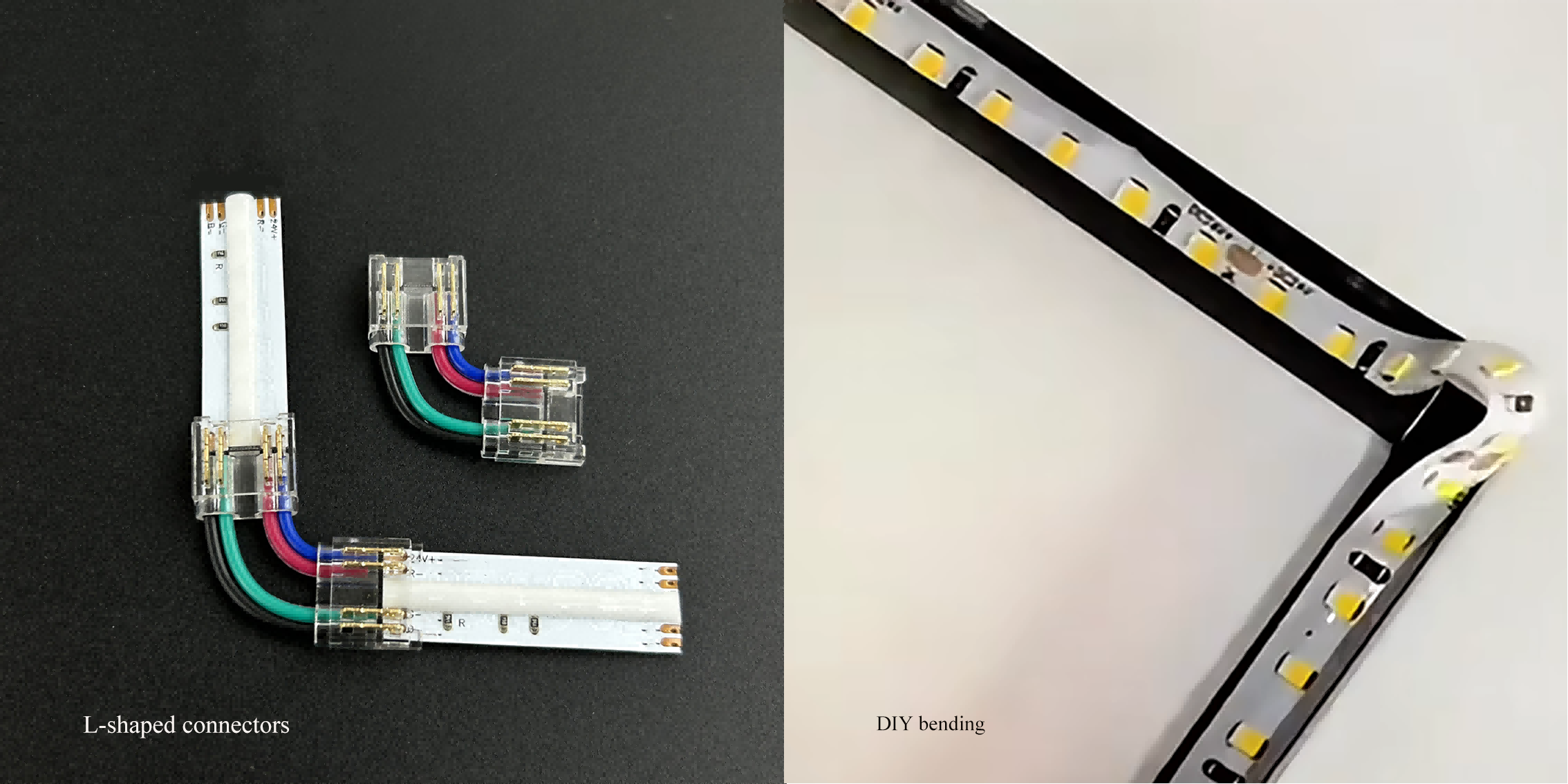
To run LED strip lights around a corner, the most reliable method is to use L-shaped connectors or corner adapters. These connectors are designed specifically for sharp turns, ensuring that your LED strip continues to light up without interruptions. You simply solder or plug in the LED strips to the connector, which then directs the strip at a 90-degree angle. This avoids the need to twist or fold the strips themselves, which could damage the delicate circuits.
Why using connectors is important:
- Prevents damage: Bending the LED strips too much can cause the electrical circuits to break, resulting in failure.
- Keeps the design intact: Connectors help maintain a neat, professional look, especially in visible areas like living rooms or kitchens.
Alternative method: DIY corner bending
If you don’t have connectors available, another approach is to carefully bend the LED strips1 along the corner. However, this is only recommended for gradual turns and not sharp angles. When bending the strip, make sure not to fold it too tightly or it may break the connections.
Table: Pros and Cons of Different Methods
| Method | Pros | Cons |
|---|---|---|
| L-shaped connectors2 | Easy to use, reliable, minimal damage | Requires purchasing connectors |
| DIY bending3 | No extra cost, flexible | Risk of damaging the strip, not clean |
How to cut a LED strip for corners?
Cutting LED strips might seem straightforward, but there’s a specific method that helps you avoid issues, especially near corners.
Cutting along designated lines ensures you don’t damage the strips, allowing you to use them in corners without loss of light quality.
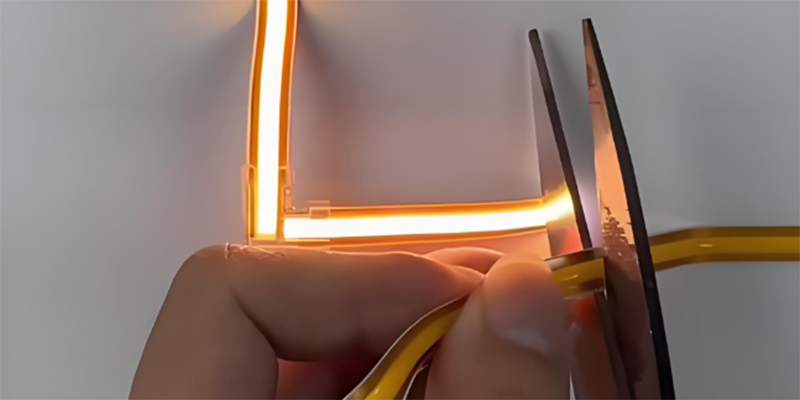
Most LED strips come with marked cut lines, which are areas designed to allow safe cutting without damaging the internal circuits. When you reach a corner, locate these cut lines, and use a pair of sharp scissors or a utility knife to make the clean cut.
It’s crucial to avoid cutting in areas that don’t have these marked lines, as it can destroy the LED strip’s functionality. Once you’ve made the cut, you can then either connect the two ends directly or use connectors to continue the run around the corner.
Important cutting tips:
- Use the right tools: A sharp pair of scissors or a utility knife ensures a clean cut.
- Don’t cut outside marked lines: Always follow the manufacturer’s guide to avoid short circuits.
Table: Step-by-Step Guide for Cutting LED Strips
| Step | Action |
|---|---|
| Step 1 | Locate the cut line on the LED strip4 |
| Step 2 | Cut carefully using sharp scissors5 |
| Step 3 | Use connectors to join cut ends6 |
Can you cut LED light strips and still work?
Yes, you can cut LED light strips, but you need to follow specific guidelines to ensure the remaining piece still functions properly.
Cutting LED strips is possible as long as you follow the cut lines and reattach the connectors correctly.
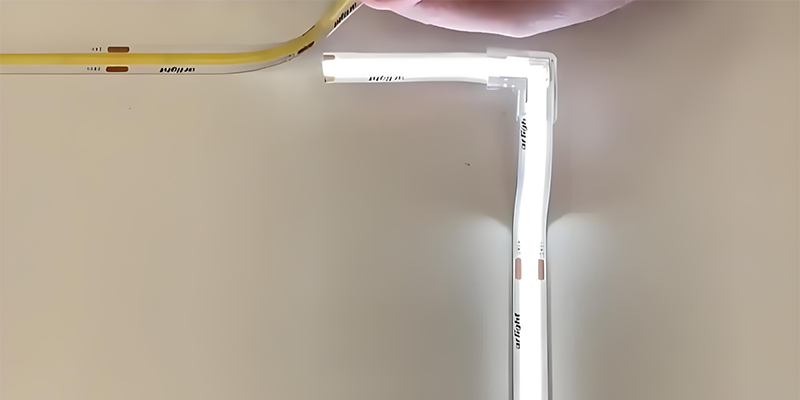
LED strips are designed to be cut at specific points, which are usually marked on the strip. These points are where the circuits can be safely severed without causing any damage. After cutting, it’s essential to ensure the remaining LED strip is properly reconnected using the right connectors or soldering the wires.
One key thing to remember is that not all LED strips are designed to be cut. Make sure the strip you are using is labeled as “cuttable” before attempting any cuts.
How to reconnect after cutting:
- Use connectors: Solderless connectors are an easy way to reconnect cut LED strips.
- Soldering wires: If you have the skills, soldering wires to the strip’s pads can offer a more permanent solution.
Table: Types of LED Strip Reconnection
| Method | Difficulty | Reliability |
|---|---|---|
| Connectors | Easy | High |
| Soldering | Advanced | Very High |
How do you connect LED strip lights when cut?
Once you’ve cut your LED strip, the next step is connecting the ends to complete your circuit.
Using connectors or soldering techniques allows for a seamless connection between cut sections.
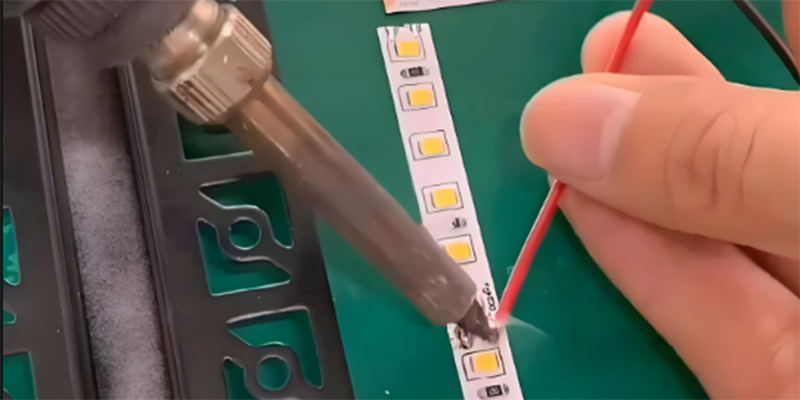
There are two main ways to connect your LED strips after cutting them: using connectors or soldering the ends together.
- Connectors: These are the simplest and safest method. They clamp onto the cut ends of the LED strips and connect them with a small clip.
- Soldering: This method is ideal for a more permanent solution, especially when dealing with high-current LED strips. Soldering allows for better conductivity and can be more reliable in the long run.
Step-by-Step Connection Process:
- Connectors: After cutting, simply slide the LED strip into the connector and press the clip to secure it.
- Soldering: If you choose soldering, carefully strip the wire ends and attach them to the corresponding pads on the strip.
Table: Comparison of Connection Methods
| Method | Ease of Use | Durability | Cost |
|---|---|---|---|
| Connectors | Easy | Moderate | Low |
| Soldering | Advanced | High | Moderate |
What happens if you wire an LED backwards?
Wiring an LED strip backwards may seem harmless, but it can lead to significant issues, including no lighting or potential damage to the strip.
Reversing the polarity of LED strips can prevent them from lighting up, and if done repeatedly, it may cause permanent damage.
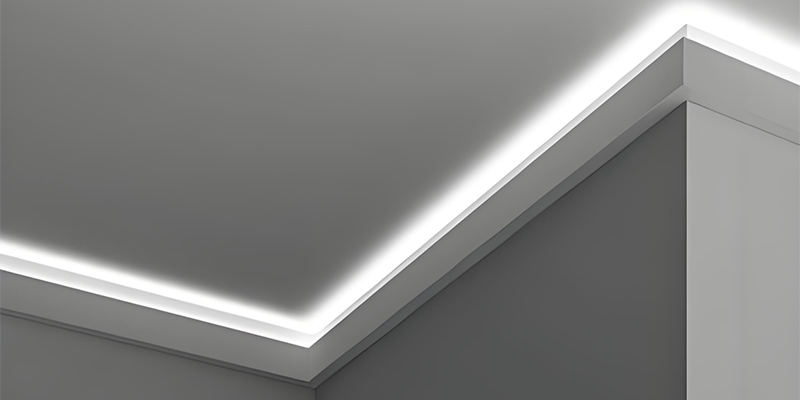
LED strips rely on proper polarity to function. If the positive and negative wires are reversed, the LED lights will not illuminate. In some cases, if the wrong polarity is applied for too long, it could damage the internal components of the LED strip, rendering it useless.
To avoid this, always check the marked positive (+) and negative (-) terminals on both the strip and the power supply before connecting them.
How to identify the correct wiring:
- Look for markings: LED strips often have clear markings showing the polarity.
- Double-check connections: Always verify your connections before powering up the system.
Table: Consequences of Wiring LEDs Incorrectly
| Outcome | Result |
|---|---|
| No illumination | LED strip fails to light up |
| Permanent damage | Prolonged incorrect wiring damages the strip |
Conclusion
Running LED strip lights around corners is easy when using the right tools and techniques. Whether using connectors, cutting the strips carefully, or connecting them correctly, these tips ensure your lights continue to shine brightly.
-
Discover essential tips for installing LED strips to maximize their lifespan and aesthetic appeal in your space. ↩
-
Explore the advantages of L-shaped connectors to enhance your LED strip installations and ensure durability. ↩
-
Learn effective techniques for bending LED strips to avoid damage while maintaining a clean look in your design. ↩
-
This link will provide you with detailed information on how to properly identify cut lines on LED strips, preventing damage and ensuring proper installation. ↩
-
Exploring this resource will help you understand why sharp scissors are essential for precise cutting, ensuring clean edges and safety. ↩
-
Discovering the best connectors for LED strips will enhance your project, ensuring secure and reliable connections for your lighting. ↩