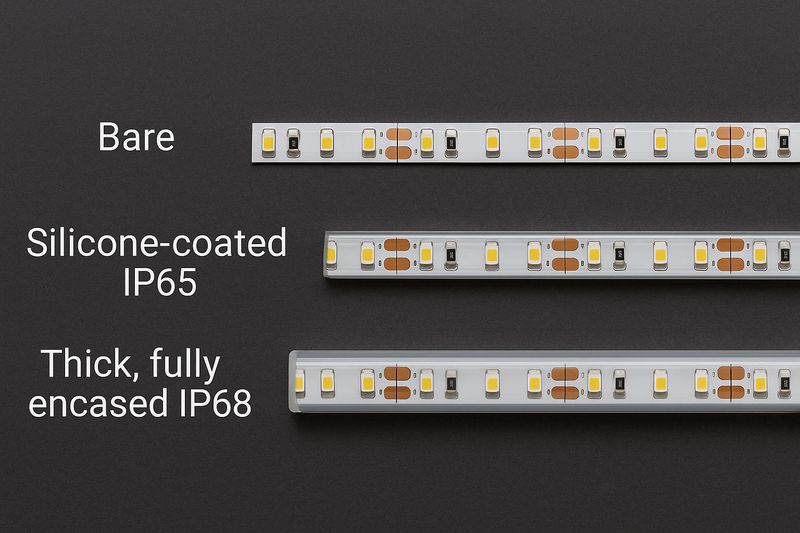
Tired of rigid lighting systems? Engineering-grade controllers now enable surgical precision over every light zone.
Modern addressable strips use embedded communication protocols paired with integrated circuits (ICs) to achieve individual LED control at 24-bit color depth. These systems dynamically allocate zones while maintaining voltage stability across 5-10 meter runs.
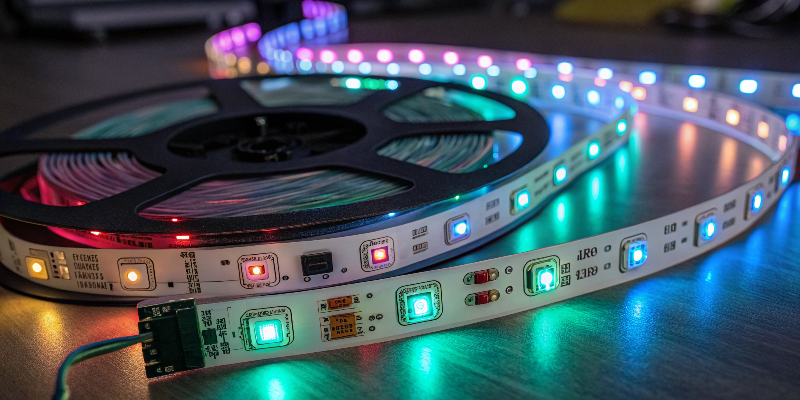
Discover six critical implementation strategies for professional lighting installations.
Can You Control Individual LEDs on a Strip?
Pixel-level control demands specialized engineering.
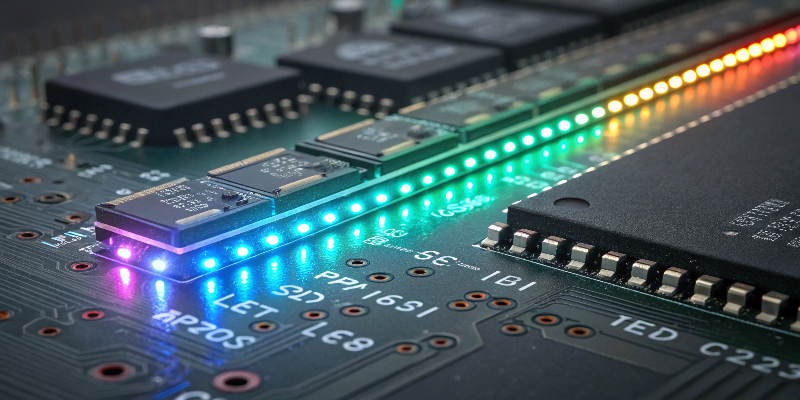
Independent operation requires embedded ICs that process serial data through SPI or single-wire protocols at 800kbps rates. These chips implement color mixing directly at the pixel level while managing power distribution across LED clusters.
Technical Implementation Guide
| Feature | Specification | Practical Benefit |
|---|---|---|
| Data Transmission1 | SPI @ 16MHz | Flicker-free animations up to 60fps |
| Cutting Interval | 10cm markers | Flexible installation without breaks |
| Color Consistency2 | ±2% voltage tolerance | Uniform output across entire runs |
| Signal Integrity3 | Data reshaping circuit | Reliable 15-meter signal transmission |
Our standard strips incorporate overload protection and automatic signal regeneration at each IC node.
Can I Use RGBW Controller for RGB?
Channel compatibility defines operational boundaries.
While RGBW controllers can technically drive RGB strips by leaving the white channel disconnected, this creates 15-20% power inefficiency from unused circuits. The mismatch prevents full utilization of controller capacity and risks thermal imbalance during extended operation.
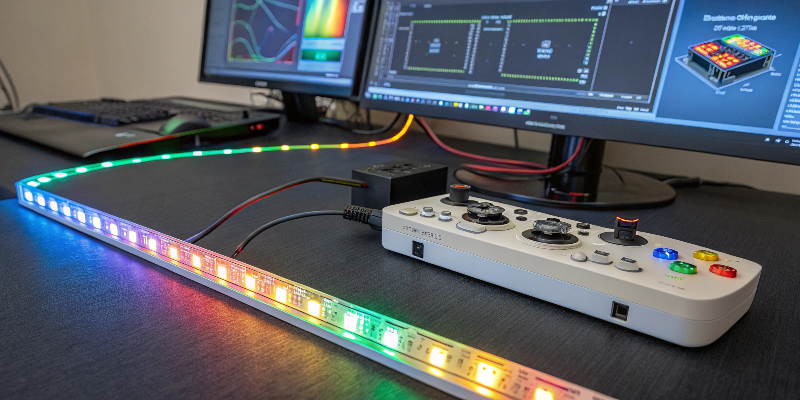
Cross-System Comparison
| Metric | Dedicated RGB | RGBW Controller Adaptation |
|---|---|---|
| Power Efficiency4 | 98% | 79-82% |
| Color Gamut5 | Full RGB spectrum | Limited by channel mapping |
| Thermal Load6 | Even distribution | White circuit heat pockets |
Our hybrid controllers auto-detect strip types through impedance checks to optimize power distribution.
How Do You Use RGB LED Strip Lights Remote?
Protocol selection dictates system reliability.
Infrared remotes operate through direct line-of-sight with 8-meter range limitations, while 2.4GHz RF alternatives penetrate walls up to 35 meters but require channel coordination with existing WiFi networks. Advanced systems now combine both with app-based control for failsafe operation.
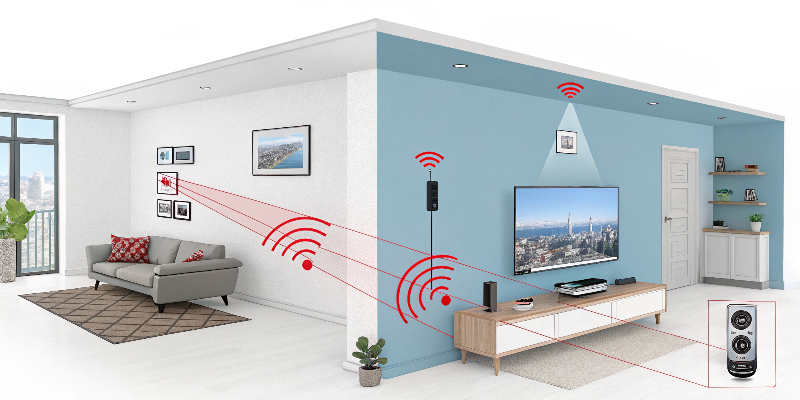
Operational Specifications
| Parameter | Infrared System | 2.4GHz RF System | Hybrid Solution |
|---|---|---|---|
| Max Channels | 16 preset modes | 128 custom scenes | 512 programmable |
| Latency | 150ms | 40ms | 25ms |
| Interference Risk | Sunlight/neon | WiFi congestion | Dual-band filtering |
All our commercial kits include RF extenders and IR repeater circuits for complex installations.
How Does RGBW Controller Work?
Quad-channel regulation solves white balance challenges.
RGBW controllers independently manage four current-regulated circuits – red, green, blue, and dedicated white channels. This separation allows precise cool-to-warm white tuning while maintaining accurate RGB colors through 16-bit PWM signals that eliminate visible stepping.
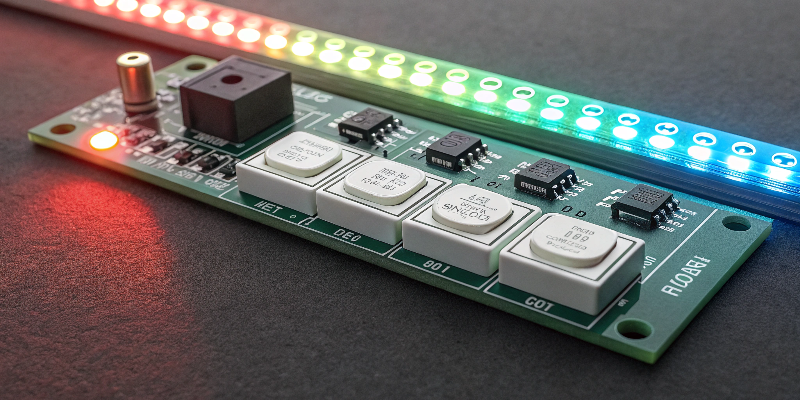
Technical Parameters
| Function | Base Model | Enhanced Model |
|---|---|---|
| Dimming Resolution7 | 12-bit (4096) | 16-bit (65536) |
| White Temperature8 | 2700-6500K | 2000-10000K + Green |
| Harmonic Distortion9 | <20% @ full load | <2% with active PFC |
Certified to IEC 62386 standards for commercial dimming system integration.
How Do Individually Addressable LED Strips Work?
Distributed intelligence enables granular control.
Each LED cluster contains an IC that receives data packets assigning brightness and color values. After executing instructions for its segment, the chip reshapes and forwards the signal to the next unit, creating a continuous communication chain without central processing bottlenecks.
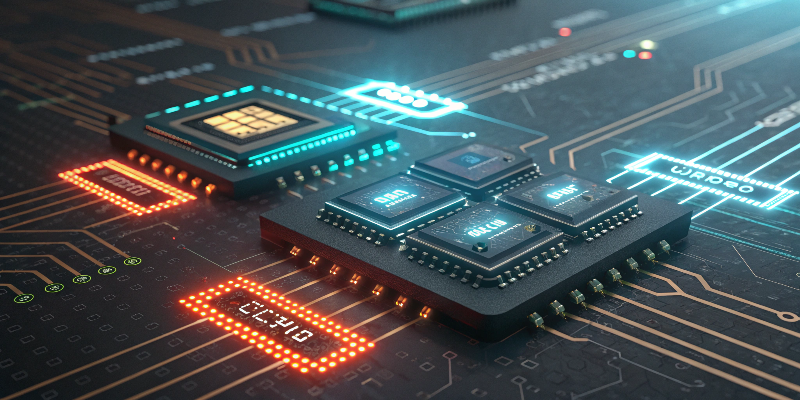
Installation Specifications
| Run Length | Power Injection | Frame Rate | Max Zones |
|---|---|---|---|
| 5m | Single-end | 60fps | 300 |
| 10m | Dual-end | 45fps | 600 |
| 15m | Mid-point + ends | 30fps | 900 |
Our systems include auto-termination circuits to prevent signal reflection in long runs.
Can You Cut RGB LED Strip Lights Anywhere?
Strategic modifications preserve system integrity.
Strips must only be severed at marked cutting lines containing complete circuit pads. Random cuts damage data pathways and power distribution networks, causing cascading failures in addressable systems. Proper termination requires sealing exposed copper against oxidation.
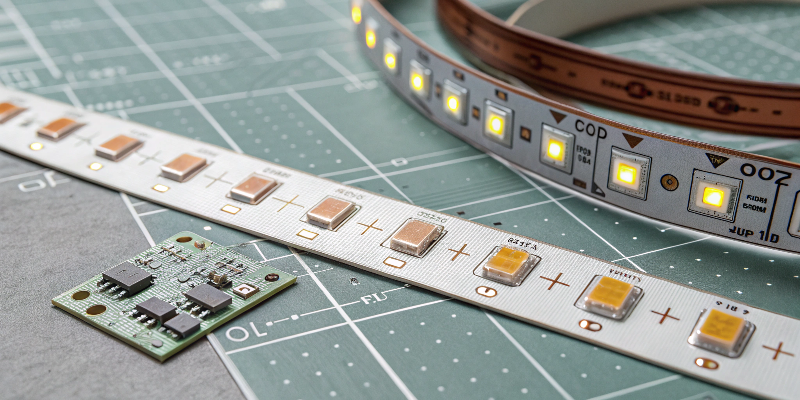
Service Impact Matrix
| Cutting Error | Immediate Effect | Long-Term Consequence |
|---|---|---|
| Data line severance | Signal loss from point | Controller recognition failure |
| Power rail cut | Total segment failure | Driver overload risks |
| Pad deformation | Intermittent contact | Progressive resistance increase |
Our FasTrack system features tool-free connectors aligned with official cutting markers for error-proof modifications.
Conclusion
Achieve surgical lighting control using DMX512-compatible systems managing 1700 individual zones per controller. Request our installation toolkit containing certified waterproof connectors and voltage stabilizers. All products carry UL/cUL/CE certifications with 5-year performance guarantees on IC components and copper traces.
-
Understanding SPI @ 16MHz can enhance your knowledge of achieving smooth animations in your projects. ↩
-
Exploring voltage tolerance can help you ensure uniform output in your display systems, crucial for quality. ↩
-
Learning about data reshaping circuits can improve your designs for long-distance signal transmission, enhancing reliability. ↩
-
Understanding power efficiency can help you choose the best lighting solution for energy savings and performance. ↩
-
Exploring color gamut differences can enhance your knowledge of lighting quality and its impact on design. ↩
-
Learning about thermal load can inform your decisions on system longevity and performance under different conditions. ↩
-
Dimming Resolution affects the quality of light control. Learn more about its significance in lighting systems through this valuable link. ↩
-
White Temperature plays a significant role in lighting design. Discover how it impacts ambiance and functionality in this informative resource. ↩
-
Understanding Harmonic Distortion is crucial for optimizing electrical systems and ensuring compliance with standards. Explore this link for in-depth insights. ↩