LED strip lights are popular for their energy efficiency and long lifespan. But how long do they actually last?
High-quality LED strip lights last between 30,000 to 50,000 hours, depending on usage, environment, and quality.
Understanding LED longevity helps users make informed purchasing decisions and maximize their investment.
Factors affecting LED lifespan:
- [Quality of Components]: Premium LEDs last longer than cheaper alternatives.
- [Heat Dissipation]: Proper ventilation extends lifespan.
- Usage Patterns: Continuous use shortens lifespan faster than occasional use.
- [Power Supply Stability]: Using a high-quality power source prevents voltage fluctuations.
- Environmental Factors: Moisture, dust, and extreme temperatures can affect performance.
What Are the Common Problems with LED Strip Lights?

Despite their durability, LED strip lights can develop issues over time.
Common problems include dimming, flickering, color shifts, and sections of lights failing due to wiring or power issues.
Common LED strip issues and solutions:
| Problem | Possible Cause | Solution |
|---|---|---|
| Flickering | Loose wiring, power fluctuations | Check connections, use stable power supply |
| Dimming | Insufficient power, long strip length | Use correct power supply, add amplifiers |
| Color shifts | Overheating, low-quality LEDs | Improve ventilation, use higher-grade LEDs |
| Sections failing | Faulty solder joints, voltage drop | Resolder connections, use thicker wiring |
How to prevent common issues:
- Buy high-quality LED strips from reputable brands.
- Ensure proper wiring and use a reliable power source.
- Avoid excessive bending or cutting in improper locations.
Why do LED strip lights stop working?
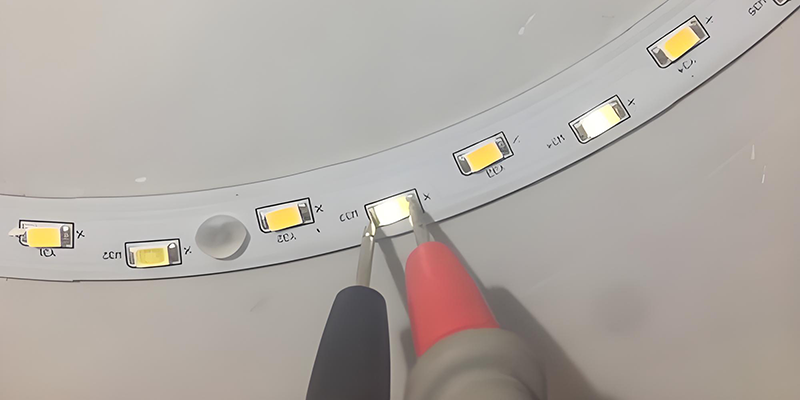
LED strips can suddenly stop working, leading to frustration.
The most common reasons are faulty power supplies, poor connections, overheating, and LED degradation.
How to troubleshoot non-working LED strips:
- Check the Power Supply1: Ensure voltage matches the strip’s requirement.
- Inspect the Connections2: Loose wires can disrupt performance.
- Look for Overheating Signs: Heat can shorten LED lifespan.
- Test Individual Sections: Identify and replace damaged segments.
- Examine the Controller or Dimmer3: Faulty controllers can cause flickering or failure.
How long do LED lights last before they burn out?
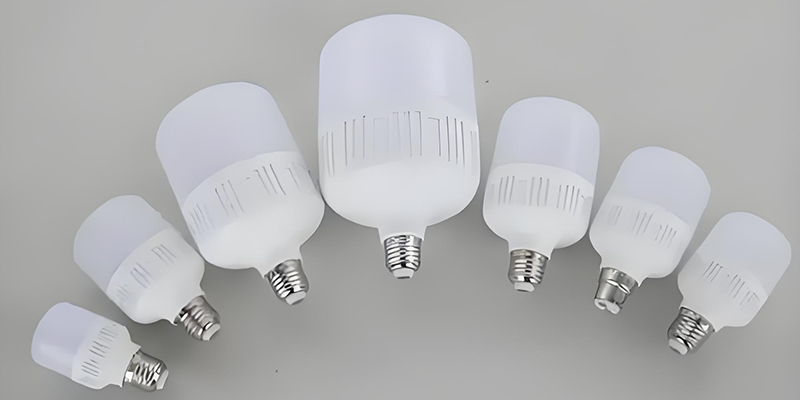
LEDs don’t burn out like traditional bulbs, but they do degrade over time.
Most LED lights last 30,000 to 50,000 hours before noticeable brightness loss.
LED lifespan comparison:
| Light Type | Average Lifespan |
|---|---|
| Incandescent | 1,000 hours |
| CFL | 8,000-10,000 hours |
| LED | 30,000-50,000 hours |
How to extend LED lifespan:
- Use LEDs within their recommended voltage range.
- Install heat sinks to improve thermal management.
- Turn off LEDs when not in use to prevent unnecessary degradation.
Is it OK to leave LED lights on all day?
Many people wonder whether leaving LEDs on 24/7 is safe.
It’s safe to leave LED lights on all day, but it can reduce lifespan if overheating occurs.
Tips for prolonging LED life:
- Use a Timer: Reduces unnecessary operation.
- Ensure Proper Ventilation4: Prevents overheating.
- Choose High-Quality LEDs5: Cheap LEDs degrade faster.
- Dim the Lights When Possible: Reduces power load and heat buildup.
- Install Smart Switches6: Automate lighting control for energy efficiency.
Do LED lights flicker before they burn out?
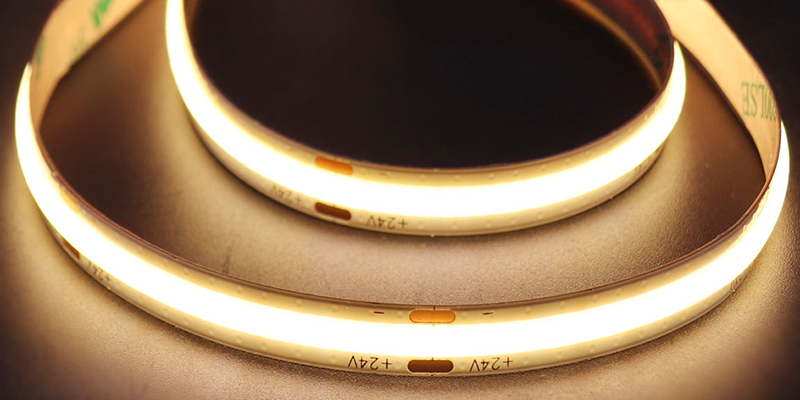
Flickering can indicate an issue before complete failure.
LEDs may flicker due to power fluctuations, driver failures, or deteriorating components.
Causes of LED flickering:
- Loose Wiring: Check all connections.
- Incompatible Dimmer Switches: Use LED-compatible dimmers.
- Aging Components: Replace strips if flickering persists.
- Voltage Instability: Use surge protectors to prevent fluctuations.
What kills LED light bulbs?
LED lights are durable, but several factors can shorten their lifespan.
Excessive heat, power surges, and poor-quality components are the leading causes of LED failure.
Things that damage LEDs:
- Overheating: Poor ventilation causes faster degradation.
- Voltage Spikes: Power surges can burn out circuits.
- Cheap Manufacturing: Inferior materials degrade quickly.
- Moisture Exposure: Can short-circuit electrical components.
- Incorrect Installation: Improper wiring can cause premature failure.
Do LED lights get weaker over time?
LEDs gradually lose brightness instead of burning out suddenly.
Over time, LEDs dim due to phosphor degradation and heat exposure.
How to maintain LED brightness:
- Choose LEDs with Heat Sinks: Reduces thermal degradation.
- Use a Regulated Power Supply: Prevents voltage fluctuations.
- Clean LEDs Regularly: Dust can reduce brightness.
- Avoid Running LEDs at Maximum Brightness Constantly: Helps slow down wear.
- Store and Install in Dry Environments: Moisture can damage LED components.
Conclusion
LED strip lights are long-lasting and efficient, but they do degrade over time. By choosing high-quality components, maintaining proper ventilation, and using stable power sources, users can significantly extend their lifespan and maximize performance.
-
Understanding power supply issues can help you troubleshoot and ensure your LED strips function properly. ↩
-
Proper inspection of connections is crucial for optimal performance of LED strips; learn the best practices here. ↩
-
Identifying issues with controllers or dimmers can prevent flickering and ensure smooth operation of your LED strips. ↩
-
This link will provide insights into the importance of ventilation in maintaining LED efficiency and extending their life. ↩
-
Exploring this resource will help you understand why investing in high-quality LEDs can significantly enhance longevity and performance. ↩
-
Discover how smart switches can optimize your lighting system, leading to energy savings and improved LED lifespan. ↩