
LED Strip Light Internal Schematic and Voltage Information?
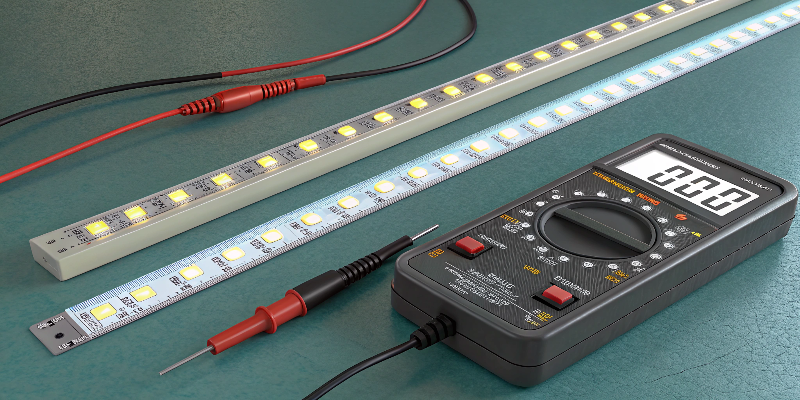
Poor understanding of LED strip voltage can lead to dim lighting or damaged products. Knowing internal circuitry and voltage requirements ensures reliable performance. LED strip lights are constructed from LEDs, resistors, PCBs, and other components. Proper voltage selection prevents voltage drops, ensures consistent brightness, and protects against premature failure, benefiting project outcomes. Exploring the internal […]
How to Master LED Strip Color Temperature Selection?
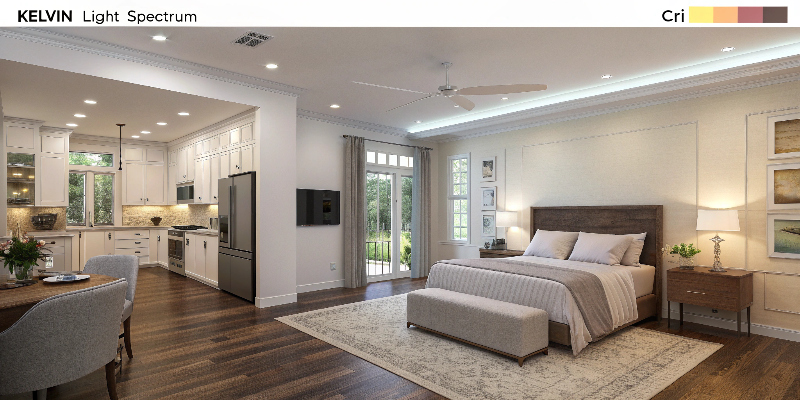
Color temperature controls human biology. Military labs use it to manipulate alertness – now available for your lighting projects. LED color temperature (measured in Kelvin) directly impacts circadian rhythms and visual clarity. Warmer tones (2700K) stimulate melatonin production, while cooler whites (6500K) boost cortisol by 34% within 20 minutes (DIN SPEC 5031-100). Learn five professional […]
What is the difference between WS2813 and WS2812B?
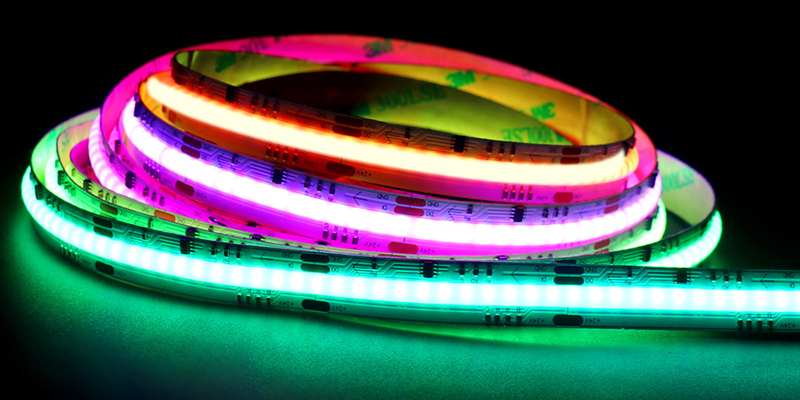
The WS2813 solves WS2812B’s biggest pain: signal breakage from a single LED failure. WS2813 adds a backup data line to the WS2812B, preventing total strip failure from one broken LED. If you care about stable lighting performance, you’ll want to understand how these two differ. What is the difference between WS2815 and WS2811? WS2815 integrates […]
How Long Will Your Batteries Power My LED Strip Lights?
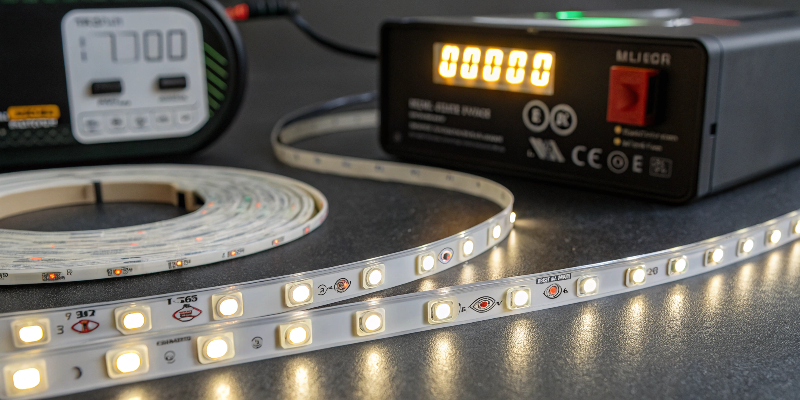
Battery life determines lighting freedom. Calculate exact runtime with physics-based formulas. For 12V LED strips, runtime (hours) = (Battery watt-hours × 0.85 efficiency) ÷ strip wattage. Average AA batteries provide 2-5 hours at full brightness. Industrial lithium packs extend operation to 72+ hours with smart load management. Master battery optimization with these technical guidelines. How […]
How to Control Independent RGB or RGBW Zones With LED Strip Controllers?
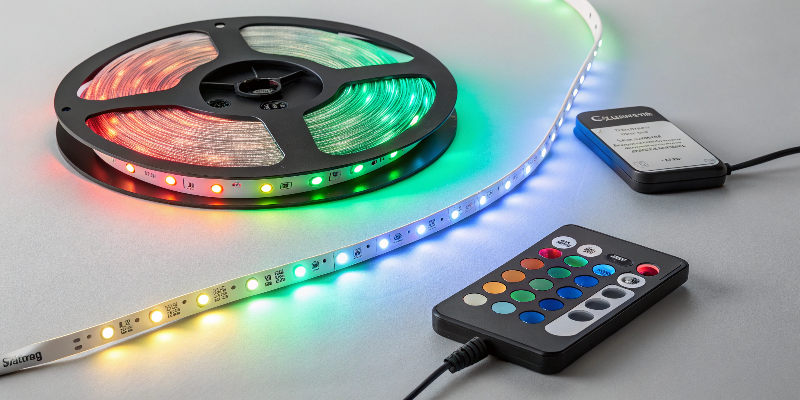
Tired of rigid lighting systems? Engineering-grade controllers now enable surgical precision over every light zone. Modern addressable strips use embedded communication protocols paired with integrated circuits (ICs) to achieve individual LED control at 24-bit color depth. These systems dynamically allocate zones while maintaining voltage stability across 5-10 meter runs. Discover six critical implementation strategies for […]
What does RGB stand for?
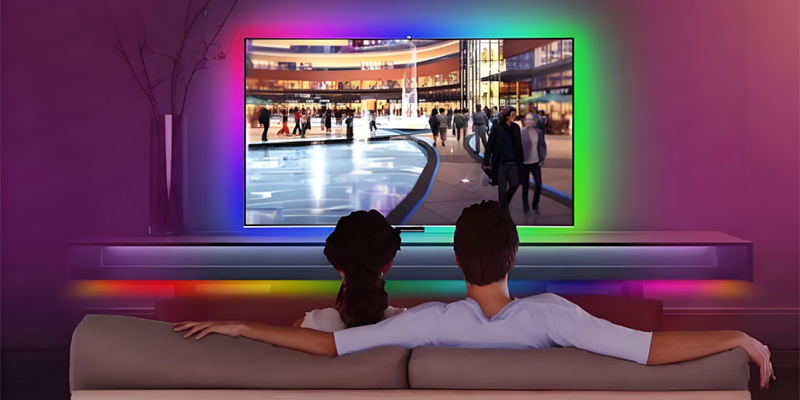
RGB stands for Red, Green, and Blue, the three primary colors of light. It’s used in devices to create a full spectrum of colors. RGB is a system that uses red, green, and blue light to create a wide range of colors. It’s commonly used in lighting and digital displays. Let’s dive into how RGB […]
What is the density of a light strip?
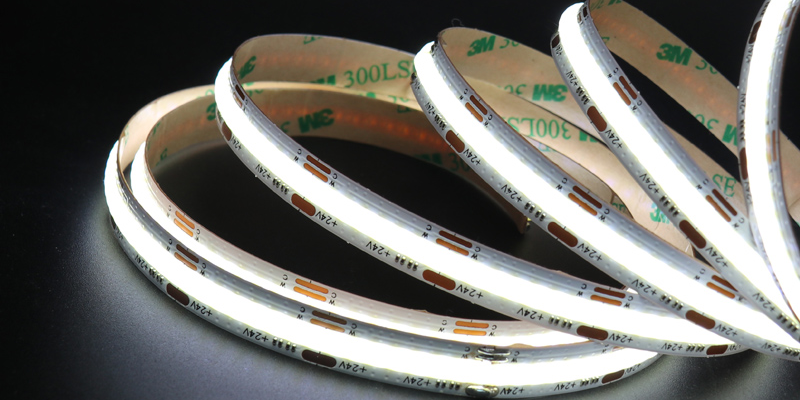
LED light strips have become a popular lighting solution for various projects. But do you know what "density" means when it comes to these strips? It’s more than just a number; it directly influences the brightness and functionality of your lighting. The density of LED strips refers to the number of LEDs per unit length, […]
Low Voltage vs. High Voltage LED Strips: When to Choose and Why Rhlite
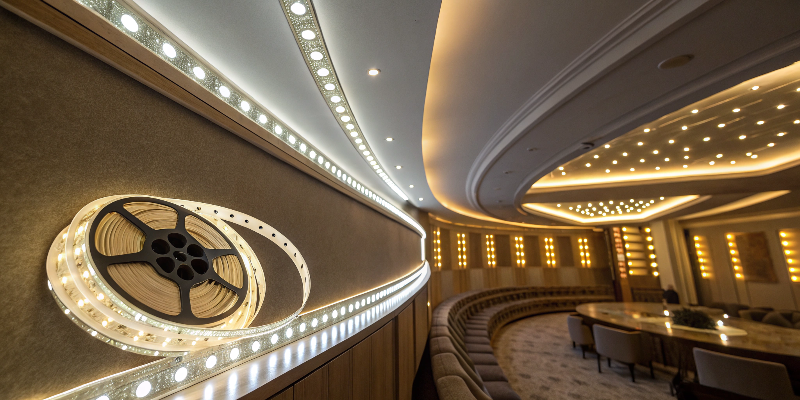
Wasting 42% of your power budget on voltage drop? Make informed decisions between 12/24V and 110-240V systems. High voltage (120-277V) strips achieve 98% efficiency at 100m+ runs vs low voltage’s 63%. Our Class I 220V strips use 6-layer PCBs with MOV protection – achieving 0.6V/m drop rate under full load. Implement these professional electricians’ selection […]
What is CSP in LED?
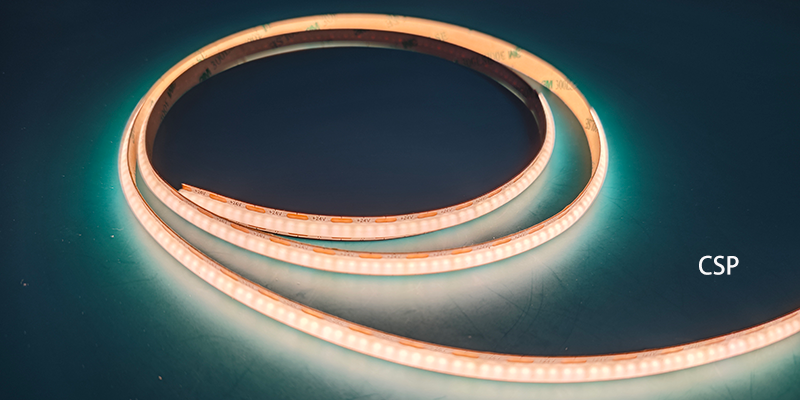
Struggling to choose between LED chip types? CSP might be the answer. CSP is a compact LED chip technology offering better thermal control and design flexibility. Curious how CSP compares to COB or why it matters? Let’s break it down step by step. What does CSP mean LED? CSP sounds technical, but it solves real-world […]
What Are the Benefits of Using LED Neon Flex Lighting?

Tired of fragile glass neon eating into your project budgets? Discover why architects now specify flexible LED alternatives. LED neon flex lasts 50,000+ hours (vs 15k for glass) with 70% energy savings. Our UL/cUL-certified IP68 strips achieve ±0.003 CCT shift using military-grade silicone – bending to 8cm radii without cracking. Implement these six industrial-grade advantages […]