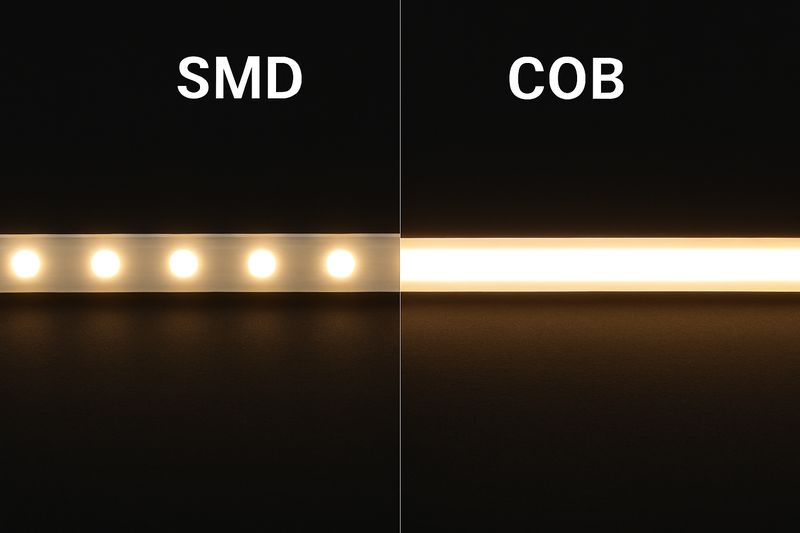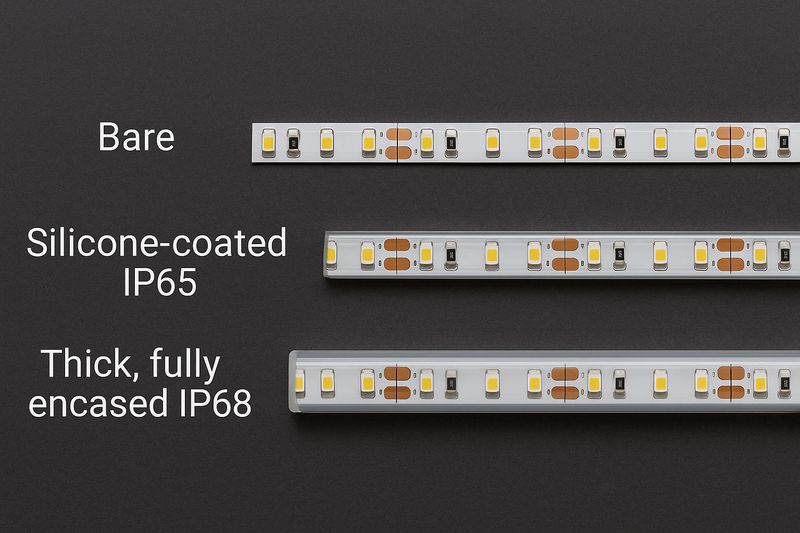
Investing in outdoor LED strips for a long-term project, only to see them fail prematurely? This is a costly problem, leading to replacements, damaged reputations, and frustrated clients. Get the insights you need.
For long-term outdoor projects, the best LED strip lights must have high IP ratings (IP67/IP68), superior UV-resistant materials (e.g., high-grade silicone/PU), excellent thermal management, and components from reputable manufacturers with proven reliability.
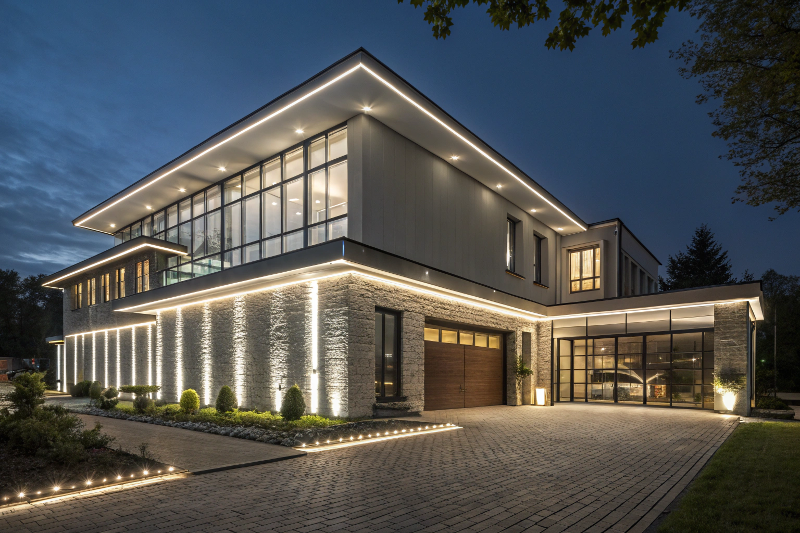
When you’re planning an outdoor lighting installation that needs to last for years, not just a season or two, the stakes are higher. As the owner of Rhlite, a factory specializing in LED strip solutions, I’ve worked closely with professionals like Tom, who manage lighting projects for discerning clients in North America and Japan. They can’t afford call-backs or failures. This guide dives into what truly matters for long-term outdoor LED strip performance.
Why is Durability the Top Priority for Long-Term Outdoor LED Strips?
Are you tired of outdoor LED strips that crack, yellow, or allow water ingress after just a short period? Substandard materials and poor construction lead to frequent replacements and undermine the integrity of your long-term lighting projects. Learn what defines true durability.
Durability is paramount because outdoor LED strips face harsh sun, rain, temperature swings, and physical stress. High-quality materials, robust IP ratings, and solid construction prevent premature failure, ensuring lasting performance and value.
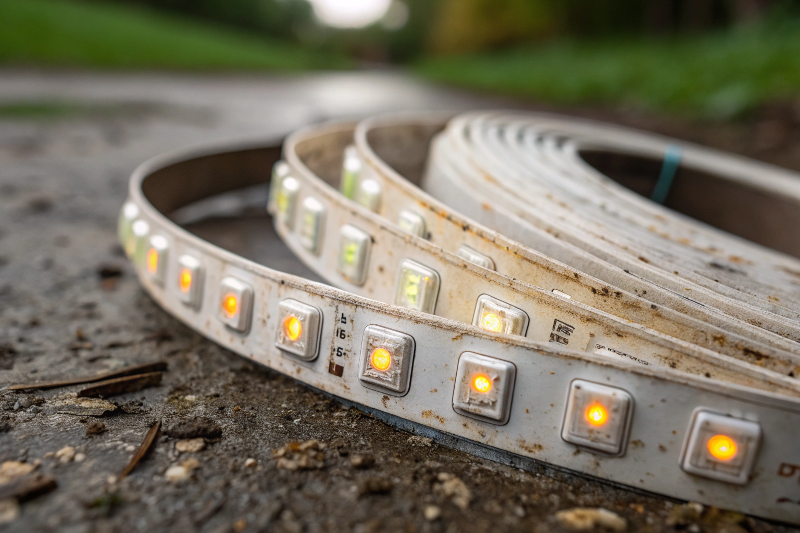
For any project designed to stand the test of time, whether it’s high-end residential landscaping, commercial building accentuation, or public space illumination, the longevity of the lighting components is non-negotiable. For my clients, particularly wholesalers and project managers like Tom who are responsible for sourcing reliable products, durability isn’t just a feature; it’s the foundation of their reputation. Failures mean costly replacements, logistical headaches, and dissatisfied end-users. This is especially true when sourcing from overseas, where quality control and understanding long-term performance characteristics are vital.
The Gauntlet of Outdoor Exposure
Outdoor LED strips are constantly battling the elements:
- UV Radiation1: Constant sunlight, especially in regions like parts of North America, can degrade plastics and silicone, causing them to become brittle, yellow, and crack. This compromises the waterproof seal and aesthetics.
- Moisture Ingress: Rain, snow, humidity, sprinklers – water is a constant threat. Without a high IP rating (IP67 or IP682) and impeccable sealing, moisture will find its way in, leading to short circuits and corrosion.
- Temperature Fluctuations: The materials used must withstand expansion and contraction from daily and seasonal temperature changes without cracking or losing their seal. This is critical in climates with hot summers and cold winters.
- Physical Stress: Depending on the installation (e.g., ground-level, pathways), strips might be subject to accidental impacts or vibrations.
What Makes a Strip Durable?
- Superior Casing Material: This is your first line of defense.
- High-Grade, UV-Stabilized Silicone3: This material is flexible, offers excellent waterproofing, and, crucially, resists degradation from sunlight. It maintains its integrity much longer than cheaper alternatives.
- Polyurethane (PU) Coating/Encapsulation: PU often offers even better UV resistance and can be extremely durable, making it ideal for very exposed, long-term installations.
- Robust IP Rating and Sealing: As mentioned, IP67 (temporary immersion) or IP68 (continuous immersion) is essential. But it’s not just about the rating; it’s about how that rating is achieved and maintained. Factory-sealed ends, quality gaskets in connectors, and meticulous assembly are key.
- Internal Component Quality:
- LED Chips: Reputable brands generally have better lumen maintenance (they stay brighter for longer) and are more resistant to color shifting over time.
- PCB (Printed Circuit Board): Thicker copper in the PCB helps with heat dissipation and structural integrity.
- Resistors and Other Components: Quality supporting components prevent premature failures.
At Rhlite, our focus as a factory is to build these durability factors into our LED strips from the ground up. We offer customizable options, so clients can specify the level of durability needed for their particular long-term projects. This includes selecting specific brands of LEDs or PCB thicknesses.
| Durability Factor | Why It’s Critical for Long-Term Use | Rhlite’s Approach | Implication for Buyers like Tom |
|---|---|---|---|
| UV-Resistant Casing | Prevents yellowing, cracking, loss of seal from sun | Use of UV-stabilized silicone, PU options | Fewer replacements, maintained aesthetics |
| High IP Rating (67/68) | Protects against water damage from rain, snow, etc. | Rigorous testing to ensure IP67/IP68 compliance | Reliable performance in wet conditions |
| Thermal Management | Prevents LED overheating, extends lifespan | Quality PCB, option for aluminum channel mounting | Longer LED life, consistent brightness |
| Component Quality | Ensures consistent performance, reduces failure rates | Sourcing from reputable LED/component manufacturers | Reduced maintenance, greater reliability |
| Construction Integrity | Withstands physical stress, temperature cycles | Strong adhesion of casing, robust connections | Fewer field failures |
Investing in durability upfront means lower total cost of ownership over the project’s lifespan. It’s a smart choice for anyone serious about quality and long-term performance.
How do Certifications and Testing Ensure Reliability for Long-Term Outdoor LED Use?
Are you concerned about suppliers making unverified claims about their outdoor LED strips? Falsified certificates or a lack of rigorous testing can lead to purchasing products that aren’t truly fit for long-term outdoor exposure, risking project failure and financial loss.
Certifications (e.g., UL, CE, RoHS, IP ratings) and independent third-party testing provide objective proof of an LED strip’s safety, quality, and suitability for outdoor use, ensuring reliability for long-term projects.
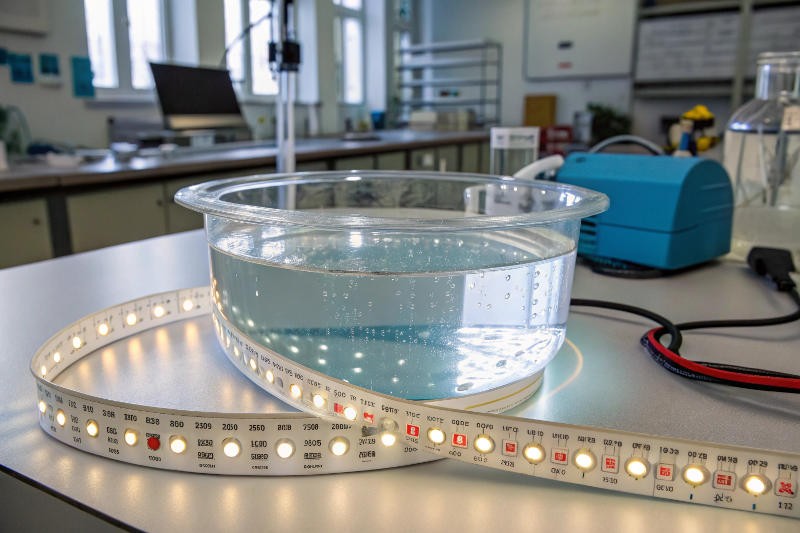
When selecting LED strip lights for projects where longevity is critical, you can’t just take a supplier’s word for it. Objective verification is essential. For experienced buyers like Tom, who source globally and need to ensure products meet standards in markets like the USA or Japan, certifications and transparent testing data are non-negotiable. This is a major area where pain points like falsified certificates from some suppliers can cause significant problems. As a factory, Rhlite understands the importance of genuine, verifiable credentials.
Key Certifications to Look For:
- IP Rating Verification4: While IP ratings are often self-declared by manufacturers, reputable suppliers will have supporting test reports, sometimes from third-party labs, to back up their IP65, IP67, or IP68 claims. Don’t just look for the number; ask for the report if you have doubts.
- UL Listing (for North America)5: Underwriters Laboratories (UL) certification indicates that a product meets specific safety and performance standards. For LED strips and their power supplies intended for the US and Canadian markets, UL listing (or ETL, a similar Nationally Recognized Testing Laboratory mark) is often required by electrical codes and highly preferred by clients.
- CE Marking (for European Economic Area): CE marking signifies conformity with health, safety, and environmental protection standards for products sold within the EEA.
- RoHS (Restriction of Hazardous Substances): This directive restricts the use of specific hazardous materials in electrical and electronic products. It’s important for environmental responsibility and market access in many regions.
- LM-80 Reports (for LED Chips)6: This standard measures lumen depreciation of LED packages over time. LM-80 data helps predict the L70 lifespan of an LED product (the point at which it outputs 70% of its initial lumens). For long-term projects, knowing the expected lumen maintenance is crucial.
- TM-21 Reports (for Luminaires): This method projects the L70 lifespan of an LED luminaire (like an LED strip) using LM-80 data from the chips and in-situ temperature measurements of the LEDs within the product.
The Importance of Testing:
Beyond standard certifications, rigorous internal and third-party testing adds another layer of confidence.
- Accelerated Weathering Tests: These tests simulate long-term exposure to UV radiation, temperature cycles, and humidity to predict how materials will hold up over years of outdoor use.
- Salt Spray Tests: Essential for installations in coastal areas, these tests assess corrosion resistance.
- Thermal Cycling Tests: Products are subjected to extreme temperature swings to check for material fatigue or seal failure.
- Ingress Protection (IP) Tests: Verifying water and dust resistance under controlled conditions.
At Rhlite, we conduct thorough internal testing and work with third-party labs for key certifications. We believe in transparency and are happy to provide our clients with the necessary documentation. This proactive approach helps build trust and ensures that our products, when specified for long-term projects, will meet expectations.
| Certification/Test Type | What It Verifies | Relevance to Long-Term Outdoor Use | Why It Matters to Buyers (e.g., Tom) |
|---|---|---|---|
| IP Rating Test Reports | Water and dust ingress protection levels | Confirms suitability for specific outdoor exposure levels | Assurance against water damage, product failure |
| UL/ETL Listing | Safety and performance standards (North America) | Ensures electrical safety, often a code requirement | Market access, reduced liability, client trust |
| CE Marking | Health, safety, environmental standards (EEA) | Compliance for European markets | Market access |
| RoHS Compliance | Restriction of hazardous substances | Environmental responsibility, market access | Corporate social responsibility, compliance |
| LM-80 (LEDs) | Lumen depreciation of LED chips over time | Predicts long-term brightness and lifespan | Confidence in sustained light output |
| TM-21 (Luminaire) | Projected lifespan of the entire LED strip | Provides a more accurate lifespan estimate for the product | Better project planning, value assessment |
| Accelerated Weathering | Resistance to UV, temperature, humidity | Predicts material durability over years | Confidence in casing integrity long-term |
| Salt Spray Testing | Corrosion resistance | Essential for coastal or corrosive environments | Ensures longevity in harsh conditions |
Insisting on proper certifications and inquiring about a manufacturer’s testing protocols are key due diligence steps when selecting LED strip lights for projects that demand long-term reliability.
What Role Does Customization Play in Optimizing LED Strips for Specific Long-Term Outdoor Needs?
Are standard, off-the-shelf outdoor LED strips not quite meeting the unique demands of your long-term projects? You might need specific lengths, brightness levels, color temperatures, or even branding that generic products can’t offer, leading to compromises or inefficiencies.
Customization allows tailoring LED strips (length, brightness, CCT, CRI, waterproofing method, even logo printing) to precise project requirements, ensuring optimal performance, aesthetics, and integration for long-term outdoor installations.
For complex or high-stakes long-term outdoor projects, a one-size-fits-all approach often falls short. This is where the ability to customize LED strip lights becomes a significant advantage. As a factory, Rhlite specializes in providing these tailored solutions. For clients like Tom, who might be sourcing for diverse applications – from large architectural facades to specific landscape designs, or even for rebranding products under their own name – customization is key to meeting exact specifications and enhancing project value.
Areas Where Customization Matters for Long-Term Projects:
- Precise Lengths and Connections:
- Factory-Cut Lengths: Ordering strips pre-cut to the exact lengths needed for the installation, with factory-sealed ends and pre-attached waterproof connectors, drastically reduces on-site labor and potential points of failure. This is far more reliable for long-term waterproofing than field-cutting and sealing every segment.
- Specific Lumen Output (Brightness)7:
- Instead of being limited to a few standard brightness options, you can specify the exact lumen output per meter/foot required for different areas of a project. This ensures optimal illumination without being too dim or wastefully bright.
- Tailored Color Temperature (CCT) and Color Rendering Index (CRI)8:
- CCT: Need a very specific warm glow (e.g., 2400K) or a precise neutral white (e.g., 4200K) to match existing lighting or achieve a particular architectural vision? Customization makes this possible.
- CRI: For projects where color accuracy is paramount (e.g., lighting artwork, retail, high-end landscaping), specifying a high CRI (90+, 95+, or even 97+) ensures true colors are rendered beautifully over the long term.
- Choice of LED Chips and PCB Specifications:
- You can select specific brands or tiers of LED chips for enhanced longevity (L70/L80/L90 ratings) or efficiency.
- Specifying thicker copper PCBs (e.g., 3oz or 4oz) can improve heat dissipation and durability, especially for high-power strips intended for continuous long-term operation.
- Waterproofing Method and Materials:
- While we offer standard IP67 silicone extrusion and IP68 PU filling, some projects might benefit from unique encapsulation methods or specific material grades for extreme environments.
- Custom Cable Lengths, Types, and Connectors9:
- Specify the exact length of lead wires, the type of outdoor-rated cable, and the specific IP-rated connectors needed to simplify installation and ensure robust connections.
- Branding and Packaging (for OEM/ODM Clients):
- For wholesalers or companies like Tom’s that rebrand products, we can print logos directly on the LED strip or provide custom packaging. This reinforces their brand identity.
The Rhlite Advantage: Factory-Direct Customization
Being a factory allows us to offer a deep level of customization that distributors or resellers often cannot. We control the entire production process, from sourcing components to final assembly and testing. This means we can:
- Iterate on designs quickly.
- Ensure quality control at every step of the customization.
- Offer competitive pricing even for custom orders, thanks to direct manufacturing.
- Provide detailed technical support for custom solutions.
My experience shows that when clients engage with us for customized solutions, they achieve better project outcomes because the lighting is perfectly aligned with their long-term vision and technical requirements.
| Customization Aspect | Benefit for Long-Term Outdoor Projects | Example for Tom’s Business Needs |
|---|---|---|
| Custom Lengths & Connectors | Minimized field connections, enhanced waterproof integrity, easier install | Supplying kits with pre-cut, pre-wired strips for specific projects |
| Specific Lumen Output | Optimized brightness, energy efficiency, consistent illumination | Matching exact light levels required by an architect’s design |
| Tailored CCT & High CRI | Perfect ambiance, true color rendering, aesthetic consistency | Offering unique CCTs or CRI95+ for high-end installations |
| LED Chip/PCB Choice | Enhanced lifespan, better performance, improved heat dissipation | Specifying top-tier LEDs for a 10-year warranty project |
| Custom Waterproofing | Suitability for unique or extreme environmental conditions | Developing a special seal for a marine application |
| Custom Cable/Connectors | Simplified installation, specific project integration needs | Providing strips with extra-long, specific-gauge lead wires |
| Logo Printing/Packaging | Brand reinforcement, market differentiation (for OEM/ODM) | Printing Tom’s brand on strips and custom retail packaging |
Customization transforms an LED strip from a commodity product into a tailored solution, significantly improving its suitability and performance in demanding long-term outdoor applications.
Conclusion
For long-term outdoor LED strips, prioritize durability through materials and IP rating, verify with certifications, and leverage customization for optimal project-specific performance. This ensures lasting, reliable illumination.
-
Understanding UV radiation’s impact on LED strips can help you choose more durable options for outdoor use. ↩
-
Learn about IP ratings to ensure your outdoor LED strips are protected against moisture and dust. ↩
-
Discover the benefits of using high-grade silicone for longevity and performance in outdoor lighting applications. ↩
-
Understanding IP Rating Verification helps ensure your LED products are suitable for outdoor use and resistant to water and dust. ↩
-
Exploring UL Listing will clarify safety standards for LED products, ensuring compliance and reducing liability in your projects. ↩
-
Learning about LM-80 Reports can provide insights into the longevity and performance of LED chips, crucial for long-term projects. ↩
-
This link will provide insights into optimizing illumination for various project needs, ensuring the right brightness is achieved. ↩
-
Discover the significance of CCT and CRI in achieving desired lighting effects and color accuracy in your projects. ↩
-
Exploring this resource will help you understand how custom cables can enhance installation efficiency and reliability. ↩