You’ve completed a beautiful outdoor lighting installation. But weeks later, you get an angry call: the lights are dead. Worse, the power supply is scorched, a clear sign of a dangerous electrical fault that could have been a fire hazard.
To protect outdoor LED strips, you must use a correctly sized power supply with a 20% wattage buffer, install a properly rated in-line fuse, choose a UL/ETL certified unit with built-in protections, and ensure all components are waterproof and physically shielded.
From my factory floor, I can tell you that a lighting system’s reliability is only as strong as its weakest safety measure. A great installation isn’t just about how it looks on day one; it’s about ensuring it operates safely and reliably for years. Overloads and faults are preventable, and protecting against them is the mark of a true professional.
What Happens When You Overload an LED Power Supply?
You’re trying to save a few dollars on a project, so you select a power supply that exactly matches the wattage of your LED strips. You’re pushing it to its absolute limit, and you hope for the best.
Overloading a power supply forces it to operate beyond its design capacity. This generates excessive heat, which drastically shortens its lifespan, causes light flicker, and creates a significant and unacceptable fire risk.
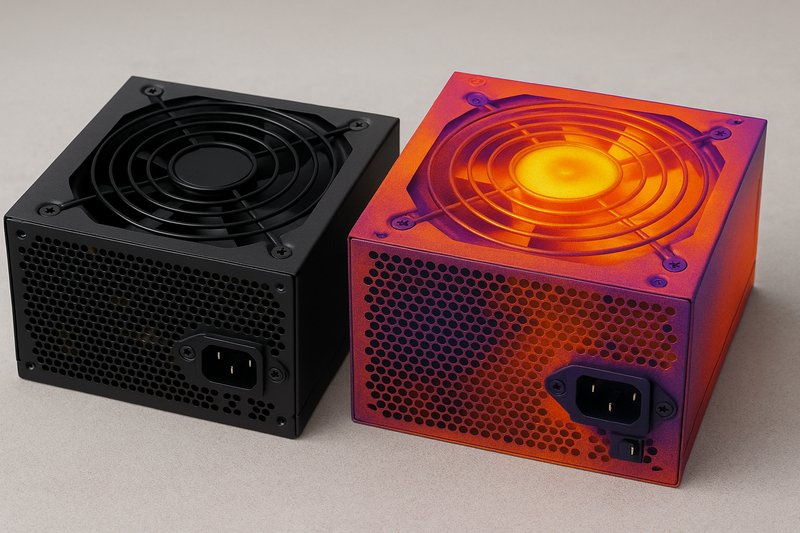
I have seen countless failures caused by this simple mistake. A power supply is not like an engine where you can "redline" it occasionally. Running it at 100% capacity is a guaranteed path to premature failure. This is why the industry-standard 80% rule is not just a suggestion, but a critical safety buffer.
The Silent Killer of Heat
An overloaded power supply is a ticking clock.
The Dangers of Heat
All electronic components have an optimal operating temperature. When a power supply is overloaded, its internal components—capacitors, transistors, transformers—work too hard and heat up. This heat does two things:
- Degrades Components1: Heat is the enemy of electronics. It causes capacitors to dry out and fail, and it breaks down the insulation on wiring over time.
- Reduces Efficiency: A hot power supply wastes more energy converting it into heat instead of useful power for your lights, leading to performance issues like dimming or flickering.
The 80% Rule2 as a Safety Buffer
The professional solution is to never load a power supply to more than 80% of its rated wattage.
- Calculation: (Total Strip Wattage) x 1.2 = Minimum Power Supply Wattage.
- This 20% headroom ensures the power supply runs cool, quiet, and efficiently. It eliminates the stress and heat associated with overloading, making it the single most effective way to prevent this type of fault.
| System State | Power Supply Load | Internal Temperature | Risk Level | Expected Lifespan |
|---|---|---|---|---|
| Overloaded | 100% – 110% | High / Dangerous | High / Fire Risk | Months |
| Sized Exactly | 95% – 100% | Warm / inefficient | Moderate | Shortened |
| Professionally Sized | < 80% | Cool / Normal | Very Low | Full / Normal |
Why is a Fuse Essential for Every LED Strip Installation?
You have your battery or power supply and your LED strip. You see the in-line fuse holder that came with the kit, but you think about skipping it to save a few minutes on the installation.
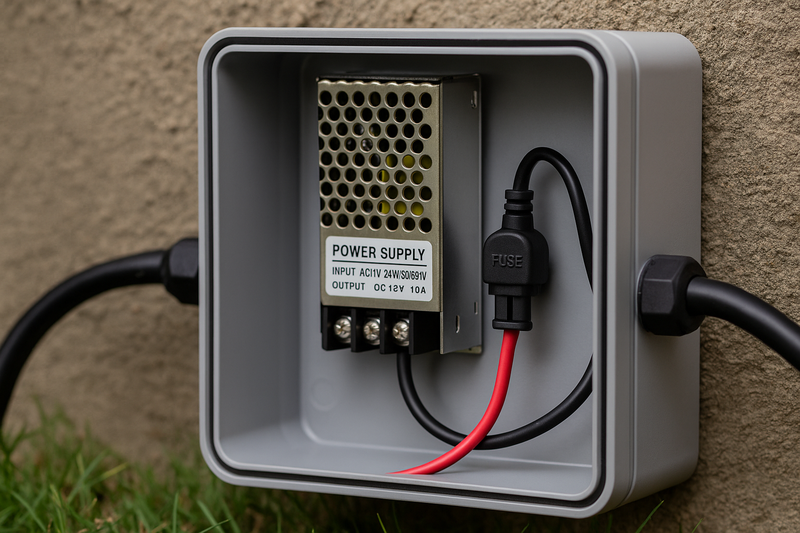
A fuse is a non-negotiable safety device. It is a deliberate weak link designed to instantly break the circuit during a catastrophic over-current event, such as a short circuit, preventing equipment damage and, most importantly, fire.
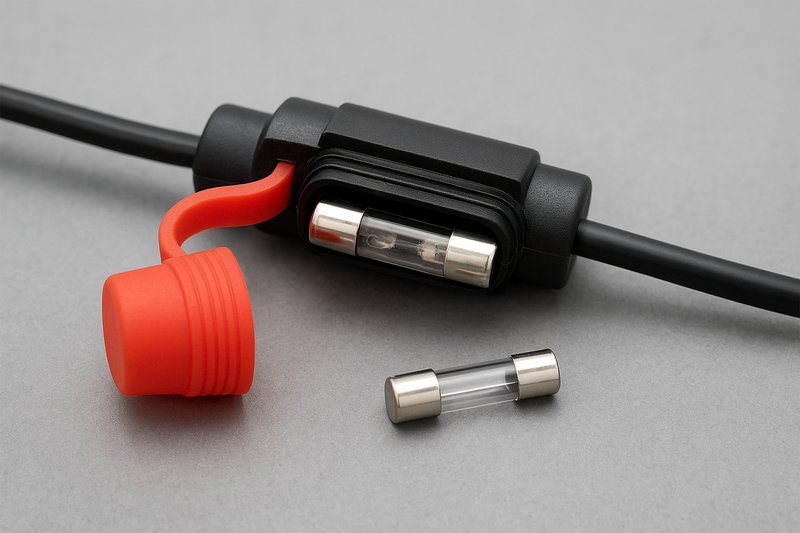
Talking with clients like Tom, I stress that a fuse is the cheapest and most effective insurance policy for any low-voltage lighting system. A short circuit can draw immense current from a power supply or battery, generating enough heat to melt wires and ignite nearby materials in seconds. A fuse costs pennies and completely prevents this.
Your First Line of Defense
A fuse is a simple device that solves a very dangerous problem.
What is a Short Circuit3?
A short circuit happens when the positive and negative wires accidentally touch each other directly, with no LED strip in between to offer resistance. This can happen if a wire’s insulation gets damaged or if water gets into a connection. This creates a low-resistance path, causing the power source to discharge a massive amount of current instantly. A fuse is designed to sacrifice itself ("blow") to stop this current surge.
How to Choose the Right Fuse
A fuse’s rating is measured in Amps. The goal is to choose a fuse that can handle the strip’s normal operating current but will blow before a dangerous level is reached.
- Step 1: Calculate Current (Amps): Amps = Watts / Volts. For a 48-watt, 12V LED strip, the current is 48W / 12V = 4 Amps.
- Step 2: Select Fuse: Choose the next standard fuse size up from your calculated current. For a 4A load, a 5A fuse is the perfect choice. This gives a little headroom for normal operation but ensures it will blow quickly in a real fault.
| Total Strip Power (12V) | Calculated Current (Amps) | Recommended Fuse Rating4 |
|---|---|---|
| 24 Watts | 2 Amps | 3 Amp Fuse |
| 48 Watts | 4 Amps | 5 Amp Fuse |
| 96 Watts | 8 Amps | 10 Amp Fuse |
What Safety Features Should Your Power Supply Have?
You’re comparing two power supplies. They look identical on the outside, but one is much cheaper and has a blank label. The other is UL Listed and mentions "SCP, OVP, OLP" protection. You wonder if those letters are worth the extra cost.
A high-quality, certified power supply must have built-in safety features. These include Short Circuit Protection (SCP), Overload Protection (OLP), and Over Voltage Protection (OVP). These circuits automatically shut down the unit during a fault, acting as an intelligent internal safeguard.
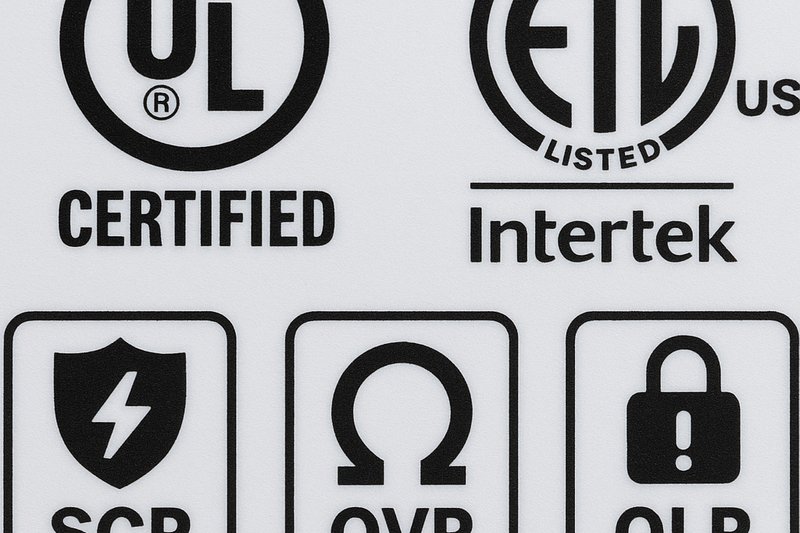
This addresses a major pain point for my clients: the fear of using substandard components from unreliable suppliers. A UL or ETL mark proves a product has been tested for safety. Those protection features (SCP, OVP) are precisely what those tests confirm. A power supply without them is an empty box waiting for a disaster.
The Intelligent Power Supply
Think of these features as the power supply’s internal brain, constantly monitoring for danger.
Built-in Protection Modes:
- SCP (Short Circuit Protection): This is the power supply’s own version of a fuse. If it detects a short circuit, it instantly shuts off the output to prevent damage. Most will automatically try to restart once the short is cleared (this is called "hiccup mode").
- OLP / OCP (Overload / Over Current Protection): This is the protection against overloading. If you connect too many LED strips and exceed its rated wattage, the power supply will either limit the current or shut down completely to prevent overheating.
- OVP (Over Voltage Protection): This protects your LED strips. If an internal component in the power supply fails and the output voltage starts to spike above its rated level (e.g., to 15V instead of 12V), OVP will shut the unit down to prevent it from sending a destructive voltage to your LEDs.
| Protection Feature | Acronym | What It Prevents |
|---|---|---|
| Short Circuit Protection5 | SCP | Fire/damage from wires touching. |
| Overload/Over Current Protection | OLP/OCP | Overheating from connecting too much load. |
| Over Voltage Protection6 | OVP | Damage to LEDs from a faulty power supply. |
| Over Temperature Protection | OTP | Damage from operating in extreme heat. |
How Do You Protect Against Physical and Water Damage Faults?
Your wiring is perfect, your power supply is top-tier, and everything is fused correctly. But the cables are laid loosely across a garden bed, and the connections are only covered with electrical tape.
You must protect your system from the environment. Use IP67-rated waterproof power supplies and connectors for all outdoor locations. Furthermore, run cables in protective conduits or aluminum channels to prevent physical damage from tools, footsteps, or animals.
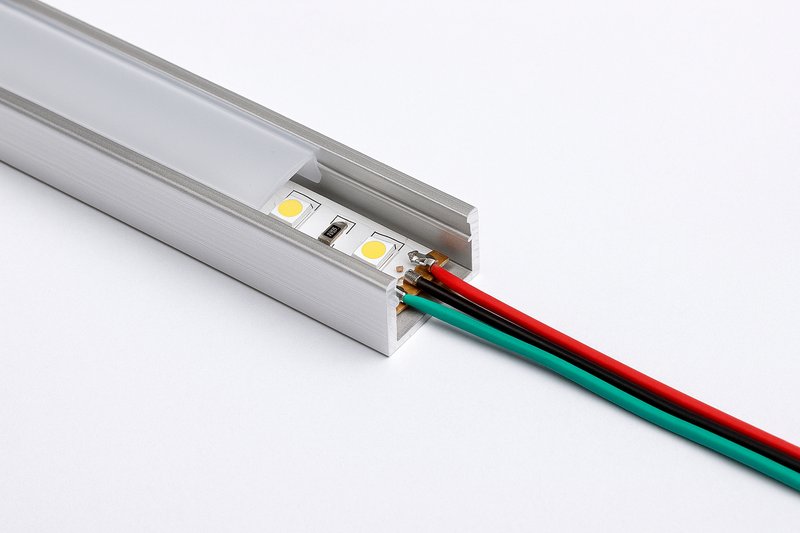
I teach my clients that electrical safety doesn’t stop at the components; it extends to the full installation method. The most common cause of a short circuit in an outdoor system is water ingress or physical damage to a wire. A professional installation anticipates and protects against these real-world risks.
Hardening Your Installation
A robust installation is a safe installation.
The Threat of Water
Water and electricity are a dangerous mix. Water can bridge the positive and negative terminals in a connection, causing a short circuit.
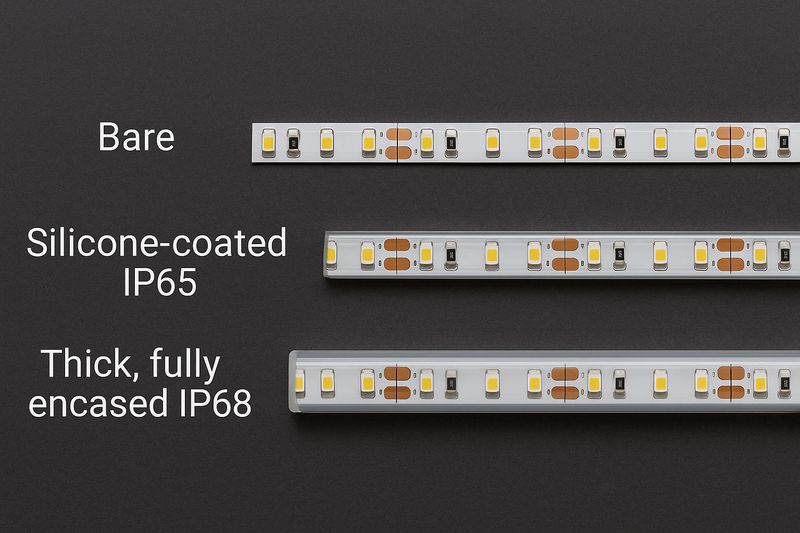
- Solution: Use power supplies with a minimum IP67 rating7. For all wire connections, use dedicated waterproof connectors8 or waterproof junction boxes filled with silicone. Solder connections and seal them with adhesive-lined heat shrink tubing for a permanent, watertight seal.
The Importance of Physical Protection
Cables can be easily damaged by a shovel, a weed whacker, or even rodents. A tiny nick in the insulation is all it takes to create a fault.
- Solution: Never leave low-voltage cables exposed. Run them inside PVC conduit when underground or inside aluminum channels when mounted on a surface. This not only protects the wire but also creates a much cleaner, more professional-looking result.
| Vulnerability | Poor Practice | Professional Solution |
|---|---|---|
| Wire Connections | Twisted wires with electrical tape | Soldered connections with adhesive heat-shrink tubing. |
| Power Supply | IP20 indoor unit placed outside | IP67-rated waterproof power supply. |
| Cable Routing | Loose wires laid on the ground | Wires run inside PVC conduit or aluminum channels. |
| Splices/Taps | Exposed wire nuts | Waterproof junction boxes and connectors. |
Conclusion
Electrical safety is an active process, not a feature. By correctly sizing your power supply, installing fuses, choosing certified components with built-in protections, and physically shielding your installation, you create a robust system that is safe, reliable, and professional.
Learn how heat affects electronic components to better protect your devices and extend their lifespan. ↩
Understanding the 80% Rule can help you ensure your power supply operates safely and efficiently, preventing potential damage. ↩
Understanding short circuits is crucial for safety in electrical systems. Explore this link to learn more about their causes and prevention. ↩
Choosing the right fuse rating is essential for device protection. This resource will guide you through the selection process effectively. ↩
Learn how SCP acts like a fuse to prevent fire and damage, ensuring safety in your electrical setup. ↩
Understanding OVP is crucial for protecting your LED strips from damage due to voltage spikes. ↩
Understanding IP67 ratings is crucial for ensuring your installations are waterproof and safe from electrical hazards. ↩
Exploring waterproof connectors can help you choose the right solutions for protecting your electrical installations from water damage.
| ↩