You place a huge order for the holiday season, but it arrives in late December, completely missing your sales window. This delay turns your expected profit into a warehouse full of dead stock.
The best time to buy is not when prices are lowest, but when factory production is most stable and shipping lanes are least congested. This is typically in Q2 (April-June) and early Q3 (July-August), avoiding major holiday rushes.
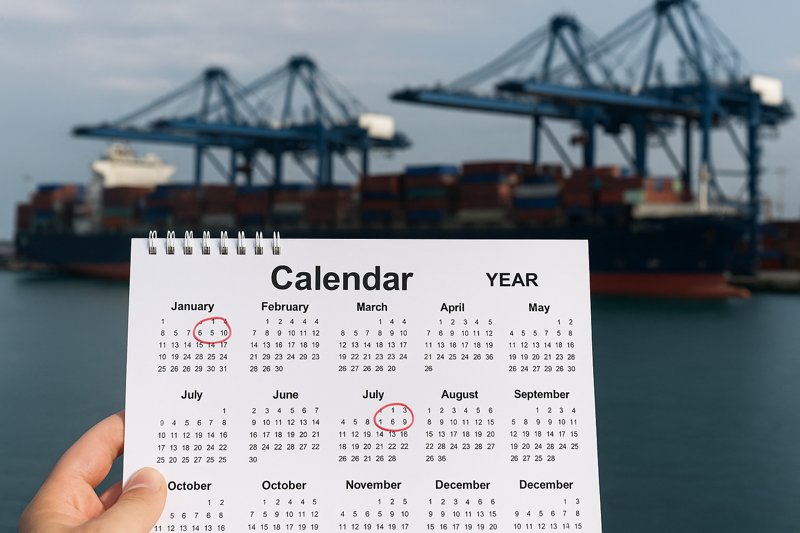
From my perspective as a factory owner in China, I see the global supply chain ebb and flow like a tide. Understanding these rhythms is the key to strategic sourcing. For a professional buyer like Tom, timing is everything. It impacts price, quality, and most importantly, the delivery date that his projects and business depend on. Let’s look at the calendar from an insider’s view.
Why is Ordering Right Before Chinese New Year a Costly Mistake?
You hear Chinese New year (CNY) is coming, so you rush to place a large order to get it shipped before the long holiday. But the shipment is delayed anyway, and when it arrives, the quality is not what you expected.
The pre-CNY period is the most chaotic time for Chinese factories. Rushed production leads to quality control issues, and extreme port congestion causes massive shipping delays and price hikes. It is a high-risk, low-reward time to order.
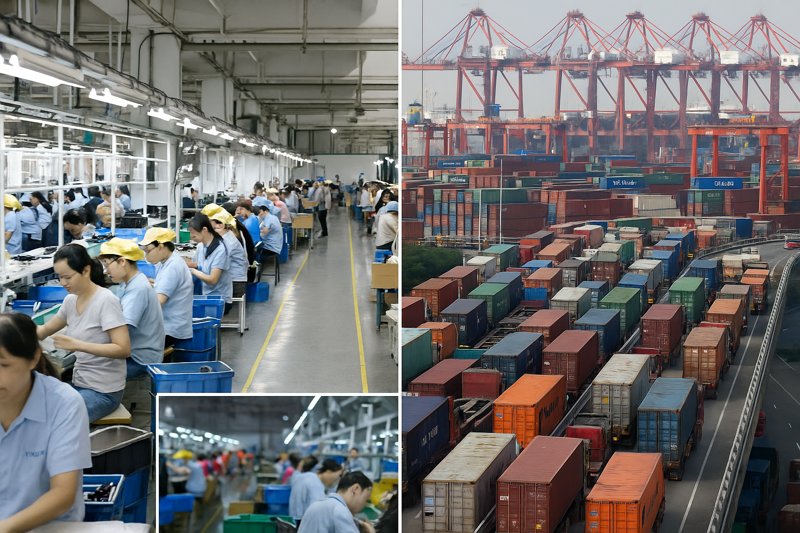
I see this every year. The pressure to ship everything before the country shuts down for weeks creates a perfect storm of problems. It’s a period that a savvy buyer should actively avoid for any critical or high-quality project.
The Pre-CNY Chaos Explained
Let’s break down the two major risks you face when placing an order in the months leading up to Chinese New Year (typically late January or February). The pressure to ship everything before the country shuts down for weeks creates a perfect storm of problems. Rushed production with temporary workers can lead to a higher defect rate. Simultaneously, every exporter is fighting for limited space on container ships, leading to delays and skyrocketing freight costs. Your "pre-holiday" shipment can easily end up leaving weeks after the holiday, completely defeating the purpose of rushing the order and exposing you to serious quality and financial risks.
| Factor | Ordering in Pre-CNY Rush1 (Dec-Jan) | Ordering in Normal Period (e.g., Q2) |
|---|---|---|
| Product Quality2 | High Risk (Rushed production, temp staff) | Stable & Consistent (Standard QC) |
| Lead Time | Unpredictable (Production & port delays) | Reliable & Accurate |
| Freight Cost3 | Very High (Peak season pricing) | Stable & Competitive |
| Supplier Communication | Strained (Overloaded with requests) | Focused & Detailed |
When is the "Golden Window" for Placing Orders?
If the end of the year is so chaotic, when is the calm after the storm? When can you get the full attention of your supplier?
The golden window for ordering is typically Q2, from April to June. Factories are back to full, stable production after CNY, lead times are reliable, and sales and engineering teams have the bandwidth to focus on your specific needs.
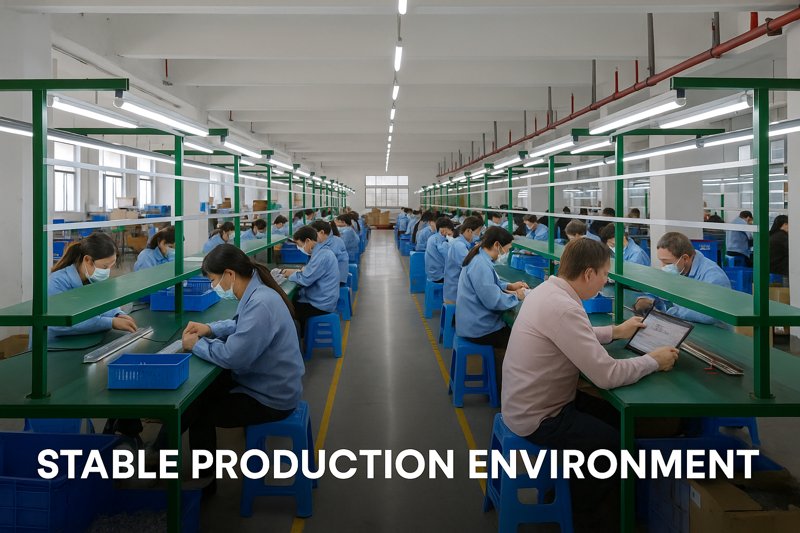
This is the time of year when we, as a factory, can provide the best service. The pressure is off, and we can dedicate proper resources to each order. For buyers like Tom, especially for custom projects or those requiring detailed communication, this is the ideal time to engage.
Why Q2 is the Strategic Choice
Placing your orders during this period provides several key advantages that directly address the common pain points of sourcing. The post-CNY rush is over, and the pre-Christmas rush hasn’t started. This means our sales and engineering teams have more time to dedicate to your project, ensuring correct specifications and providing detailed support. Production lines run smoothly with our most experienced staff, leading to the highest levels of quality consistency. With ports operating normally, shipping costs are stable and lead times are predictable, allowing you to plan your project timelines with high confidence. This period removes uncertainty and replaces it with reliability, which is the foundation of a good sourcing strategy.
| Benefit of Ordering in Q2 | Impact on Your Business |
|---|---|
| Stable Production4 | Consistent product quality and fewer defects. |
| Expert Support5 | In-depth communication for custom projects and tech help. |
| Reliable Logistics6 | Accurate delivery estimates and predictable freight costs. |
| Better Planning | Higher confidence in project timelines and inventory management. |
How Do You Align Your Purchase with Your Own Peak Selling Seasons?
Your business has its own peaks. For many, it’s the Q4 holiday season. How do you work backward to ensure your stock arrives on time, not too early and not too late?
To hit your peak season, you must map your timeline backward. Start with your "in-warehouse" date and subtract time for sea freight (30-45 days), customs clearance (5-10 days), and factory production (30-45 days). This means ordering months in advance.
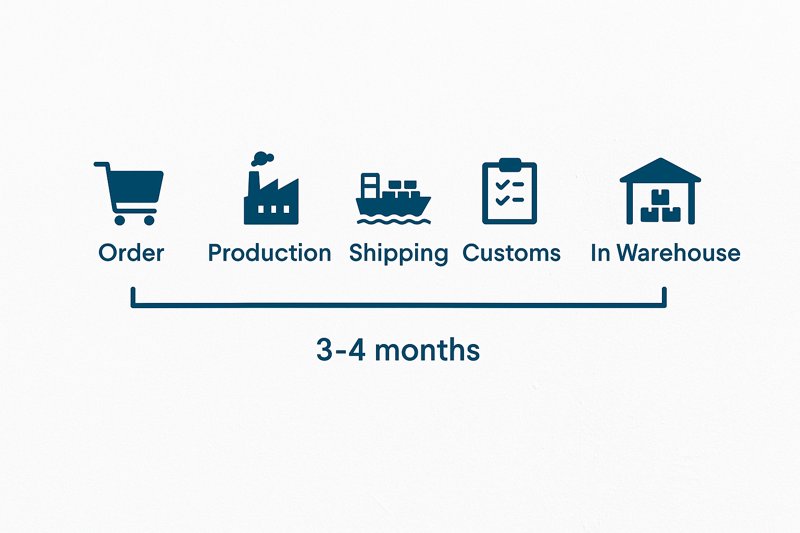 custom order7 will require about 45 days for production and rigorous quality control8. This means the order must be officially placed and confirmed no later than July 1st. This simple exercise demonstrates that planning for your Q4 peak season9 must begin in Q2. Waiting until August to place your "Q4 order" is a common but critical mistake that leads to missed selling seasons.
| Planning Stage | Time Required (Conservative) | Deadline for October 1st Delivery |
|---|---|---|
| Stock in Your Warehouse | — | October 1st |
| Sea Freight & Customs | ~45 Days | Shipment leaves China by Aug. 15th |
| Production & QC | ~45 Days | Order placed by July 1st |
| Planning & Negotiation | ~30 Days | Start process by June 1st |
How Does a Steady Ordering Schedule Beat Seasonal Deal-Hunting?
You see a special promotion from a new supplier and jump on it. The next season, you chase another deal elsewhere. This constant churn feels like you’re saving money, but is it really working?
Developing a long-term partnership with a single factory and providing a predictable ordering forecast gives you priority status. This translates to better service, more stable pricing, and priority production slots that are far more valuable than any short-term "deal."
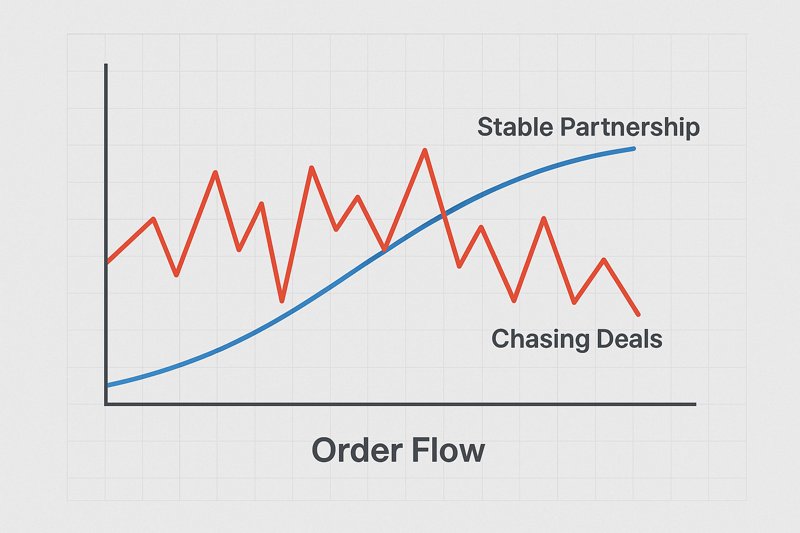
As a factory owner, who do I prioritize when production gets busy? The new customer who is only buying once, or the long-term partner like Tom who gives me a reliable forecast? The answer is obvious. A steady partnership moves you from being just another customer to being a valued partner.
The Power of Partnership Over Price
The "best time to buy" can become "any time you need to buy" when you have a strong relationship. When we have a reliable forecast from a partner, we can plan our raw material purchasing and production schedules in advance. This efficiency benefits us both. When the pre-CNY or pre-Christmas rush begins, our partners’ orders are already scheduled and protected. They jump to the front of the line. This relationship creates value beyond the invoice—you get a dedicated contact who understands your business, potential flexibility on terms, and a supplier who works to prevent problems. This stability is far more profitable in the long run than chasing temporary discounts from unknown vendors.
| Approach | Transactional (Deal-Hunting) | Partnership (Strategic) |
|---|---|---|
| Primary Focus | Lowest initial price for a single order. | Best overall value and supply chain reliability. |
| Supplier Relationship | Adversarial, temporary, and shallow. | Collaborative, long-term, and deep. |
| Service Level | Standard, often unresponsive. | Priority service, proactive communication. |
| Long-Term Benefit | Minimal savings, high management effort. | Significant savings through efficiency and trust. |
Conclusion
Strategic timing is about avoiding risk and building relationships. By ordering in the calm of Q2 and planning backward from your own seasons, you can ensure quality, reliability, and on-time delivery for your projects.
Understanding the risks of the Pre-CNY Rush can help you make informed decisions and avoid costly mistakes. ↩
Learning about the factors that impact product quality during high-demand seasons can help you ensure better outcomes for your orders. ↩
Exploring freight cost fluctuations during peak seasons can help you budget effectively and plan your shipments better. ↩
Understanding stable production can enhance your sourcing strategy, ensuring consistent quality and fewer defects in your products. ↩
Expert support can significantly improve your project outcomes by providing tailored solutions and effective communication. ↩
Reliable logistics are crucial for accurate delivery and cost management, helping you maintain project timelines and budget effectively. ↩
Explore best practices for custom orders to enhance efficiency and meet deadlines effectively. ↩
Learn how effective production and quality control can streamline your supply chain and ensure timely delivery. ↩
Understanding the significance of Q4 planning can help you avoid critical mistakes and maximize sales opportunities. ↩