You specified a high-quality outdoor LED strip for a major project. It looks fantastic—for six months. Then, a section fails. You contact the supplier, but your emails go unanswered, leaving you to face an angry client alone.
The warranty and after-sales support are your project’s insurance policy. They are the truest measure of a factory’s confidence in its own product quality and its commitment to you as a long-term partner, not just a one-time customer.

At Rhlite, I see service as an integral part of the product itself. For a savvy buyer like Tom, who manages projects in demanding markets like the United States and Japan, a product failure is a business crisis. The supplier’s response to that crisis defines the relationship. Let’s explore the core indicators of service you must evaluate before you place an order.
What Makes a Warranty More Than Just a Piece of Paper?
Every supplier offers a warranty, often touting a 3-year or 5-year term. But when you need it most, you discover the fine print makes it almost useless.
A truly valuable warranty goes beyond just the time period. It offers clear, substantive coverage—like for lumen depreciation—has reasonable conditions, and is backed by a reputable factory that has been in business long enough to honor its promises.

A warranty is a promise. For a professional buyer, that promise needs to be rock-solid. The last thing you want is to be caught in a loophole when a problem arises, a painful situation for any project manager.
Deconstructing a Strong Warranty
It’s not about the length; it’s about the strength.
- Substance Over Years: A 5-year warranty from a company that is only 2 years old is a red flag. Look for a factory with a long track record that demonstrates they will still be around to service the warranty in year four.
- Comprehensive Coverage1: Does the warranty only cover catastrophic failure (the strip going completely dead)? Or does it cover performance degradation? A professional-grade warranty should cover issues like significant color shift or failure to meet a lumen maintenance standard (e.g., L70, meaning it retains at least 70% of its initial brightness).
- Reasonable Conditions2: Read the exclusions. A warranty that is voided if you don’t use a specific brand of power supply is a trap. A warranty that requires installation in an aluminum heat sink for a high-power strip is a reasonable and responsible condition that protects the product. The conditions should be about ensuring proper use, not creating excuses to deny a claim.
At Rhlite, we design our warranties to be a fair and clear promise of the performance we engineer into our products.
| Feature | Weak "Paper" Warranty | Strong Rhlite Warranty |
|---|---|---|
| Coverage | Covers complete failure only. | Covers failure, L70 lumen depreciation, and color shift. |
| Conditions | Vague or filled with unreasonable "gotcha" clauses. | Clear, reasonable conditions based on best practices. |
| Company Reputation3 | New company or history of poor service. | Long-standing factory with a proven track record. |
| Underlying Promise | "We will replace it if it breaks (maybe)." | "We guarantee this level of performance for the full term." |
How Does Pre-Sale and Installation Support Save You Money?
You’re planning a complex installation and have technical questions about power, control, and mounting. The supplier’s sales rep just sends you a price list, leaving you to figure it out yourself.
Expert technical support before the sale is a critical service that prevents costly mistakes. A true partner acts as a consultant, helping you select the right products, design the system correctly, and avoid installation errors that could void the warranty.

This is one of the biggest hidden values in a supplier relationship and a direct solution to the pain point of inefficient communication. Getting the right advice upfront saves enormous amounts of time, money, and frustration on site.
The Value of a Technical Partnership
Excellent after-sales service actually begins before the sale.
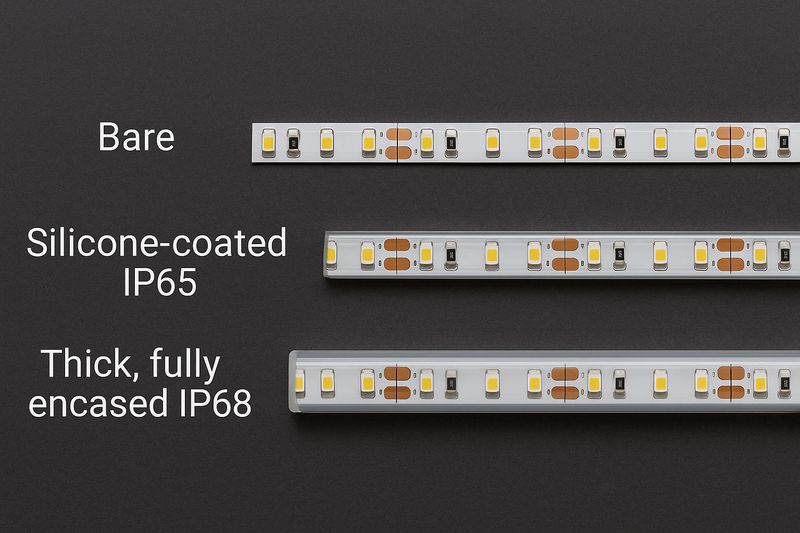
- Correct Product Specification4: Instead of just selling you what you ask for, a great partner asks questions. "Where will this be installed? Is there standing water? What is the ambient temperature?" Based on your answers, we can help you choose the right IP rating (IP67 vs IP68) and the right product tier, ensuring you don’t overpay or under-spec.
- System Design Assistance5: For a large project, calculating voltage drop, power supply loads (using the 80% rule), and control system layout is complex. A factory partner like Rhlite can provide wiring diagrams and calculations to ensure the system is designed for optimal, long-term performance. This prevents issues like dimming at the end of a long run.
- Installation Guidance6: Providing clear installation manuals and being available to answer an installer’s questions from the field is invaluable. This support ensures the product is installed correctly, maximizing its lifespan and keeping the warranty intact. This proactive support is the mark of a one-station solution provider.
For Tom, this means he can be confident that the system he buys from us is the right system for the job, fully planned and supported.
What Does a Hassle-Free Warranty Claim Process Actually Look Like?
A product has failed on-site. You now face the dreaded task of filing a warranty claim, bracing for a slow, frustrating process.
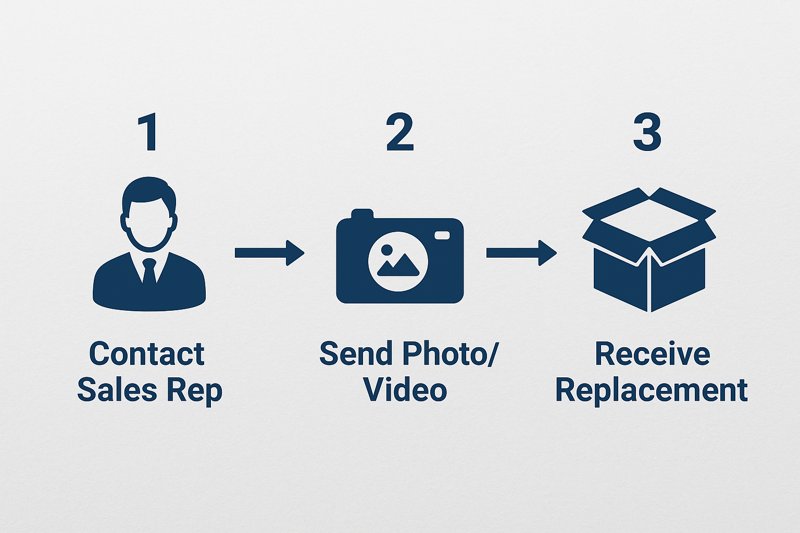
A truly customer-focused warranty process is simple, fast, and transparent. It features a single point of contact, clear instructions, a quick decision, and a rapid resolution that gets your project back on track without endless delays and arguments.
This directly addresses the painful experience of dealing with unresponsive suppliers. The way a company handles problems reveals its true character. The goal of the process should be to solve your problem, not to protect the company from liability.
The Anatomy of a Good Claims Process
Here’s what you should expect from a top-tier factory partner.
- A Single Point of Contact7: You should not be bounced between departments. Your primary sales contact at the factory should own the problem. They should be responsible for gathering the information and getting you an answer. This eliminates the frustration of re-explaining the issue multiple times.
- Clear and Simple Documentation8: The factory should have a simple, clear request. For example: "Please send us a clear photo of the failed strip, a photo of the product label, and a short video showing the problem." That’s it. No 10-page forms or impossible demands.
- Rapid Internal Review9: Once the information is submitted, you should expect a response and a decision within a few business days. A long, silent delay is a sign of an inefficient or unwilling supplier.
- A Fair and Fast Resolution: The resolution should be straightforward. "We have approved your claim and a replacement product will ship with your next order," or "A replacement is shipping out today." The focus is on making it right, quickly.
This efficient process shows respect for the customer’s time and the urgency of their project needs.
Why is Verifiable Documentation the Ultimate Sign of Trust?
A supplier claims their LED strips have a 95 CRI and will last 50,000 hours. How do you know they are telling the truth and not just showing you a falsified certificate?
Accessible and verifiable third-party documentation is the ultimate proof of a company’s claims. Official UL/ETL listings, IP rating test reports, and LM-80 data provide undeniable evidence of quality and safety, building a foundation of trust.
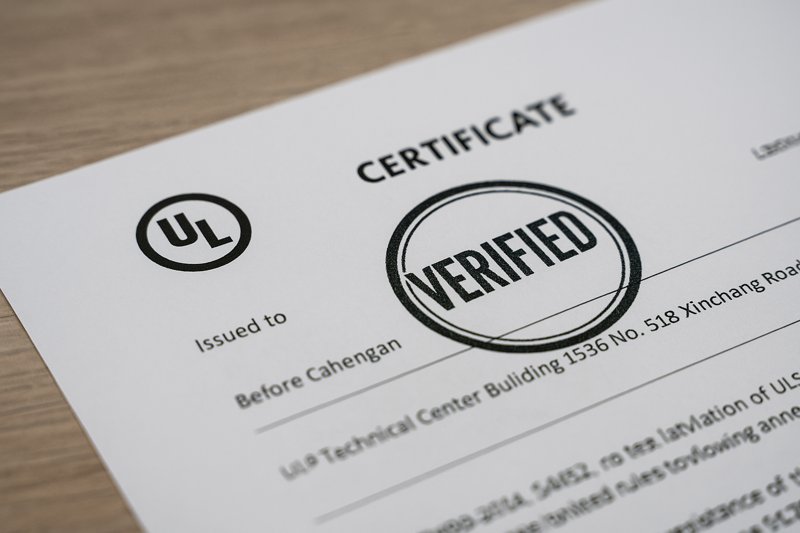
This is the most effective way for a buyer like Tom to combat the serious pain point of supplier dishonesty. A factory that has invested heavily in legitimate, third-party testing is proud to show you the results. A factory that makes excuses is hiding something.
The Documents That Don’t Lie
Ask for proof. A trustworthy supplier will be happy to provide it.
- Safety Certifications (UL/ETL): For the North American market, this is non-negotiable. A UL or ETL listing means the product has been tested by an accredited lab and meets established safety standards. This is crucial for passing inspections and for liability.
- Performance Reports (LM-80): This is the test that measures LED lumen depreciation over time. When a factory claims a 50,000-hour L70 lifespan, the LM-80 report is the data that proves it. Without this report, the lifespan claim is just a marketing number.
- Ingress Protection (IP) Test Reports: How do you know a strip is truly IP67? The factory should be able to provide the report from the testing lab that subjected the product to immersion tests and certified its performance.
At Rhlite, we view these documents as part of our contract with our clients. We invested in them to give our partners in demanding markets like the US and Japan the confidence to specify our products without reservation.
Conclusion
When choosing a supplier, evaluate their service as rigorously as you evaluate their product. A strong warranty, expert support, and transparent documentation are the pillars of a partnership that ensures long-term success and peace of mind.
Understanding comprehensive coverage can help you choose warranties that truly protect your investment. ↩
Exploring reasonable conditions in warranties can help you avoid traps and ensure fair use of your products. ↩
Learning about company reputation can guide you in selecting reliable products with trustworthy warranties. ↩
Understanding correct product specification can help you make informed decisions and avoid costly mistakes in your projects. ↩
Exploring system design assistance can reveal strategies to enhance project efficiency and performance, ensuring long-term success. ↩
Learning about installation guidance can help you ensure proper setup, maximizing product lifespan and maintaining warranties. ↩
Understanding the role of a Single Point of Contact can enhance your claims experience and streamline communication. ↩
Exploring this topic can help you understand how effective documentation can speed up your claims and reduce frustration. ↩
Learning about Rapid Internal Review can provide insights into how quick responses can enhance customer satisfaction. ↩