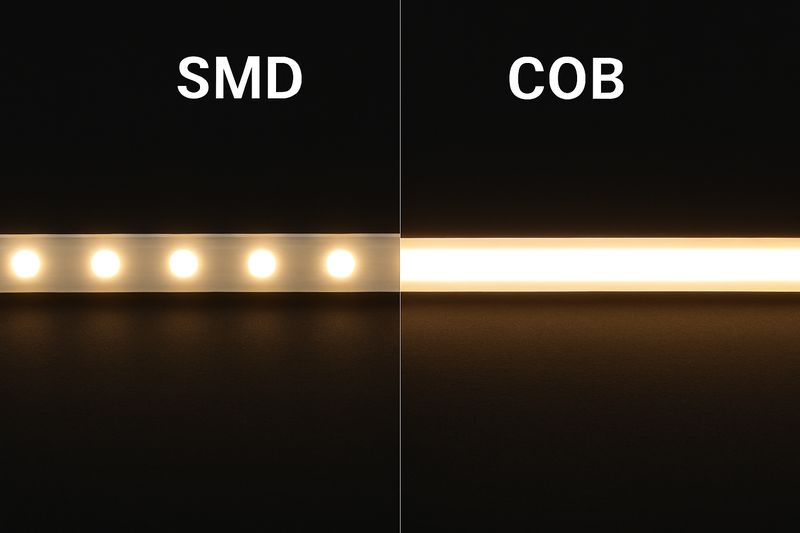
It’s tempting to choose the cheapest outdoor LED strips for a project, thinking you’re maximizing your budget. But does a low initial price tag actually lead to the best financial outcome?
The true return on investment (ROI) for outdoor LED strips comes from balancing the initial purchase price with long-term energy savings, reduced maintenance, and enhanced property value. A higher-quality strip often provides a much better ROI over its lifespan.
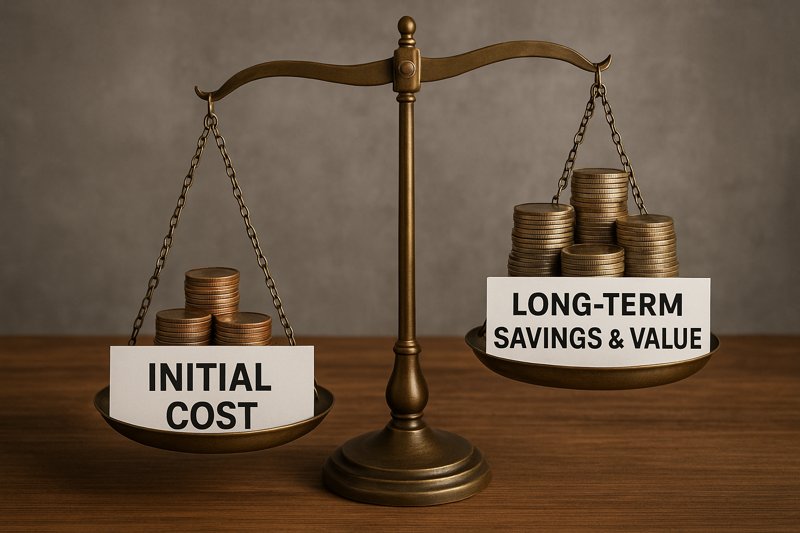
As a factory owner specializing in LED strip solutions, I often guide clients through this exact analysis. A savvy business owner like Tom, who sources lighting for projects in the US or for OEM products, knows that the real cost of a product is measured over its entire life, not just on the purchase order. Let’s break down how to properly analyze the ROI of an outdoor LED strip investment.
How Do You Calculate the ROI for an Outdoor Lighting Project?
"Return on Investment" can sound like a complex financial term, but for a lighting project, it can be straightforward. How do you apply this concept to outdoor LED strips?
ROI for lighting is calculated by dividing the net profit (savings minus costs) by the initial investment cost. A simpler ‘simple payback period’ calculation (Initial Cost / Annual Savings) is often used as a practical first step to estimate value.
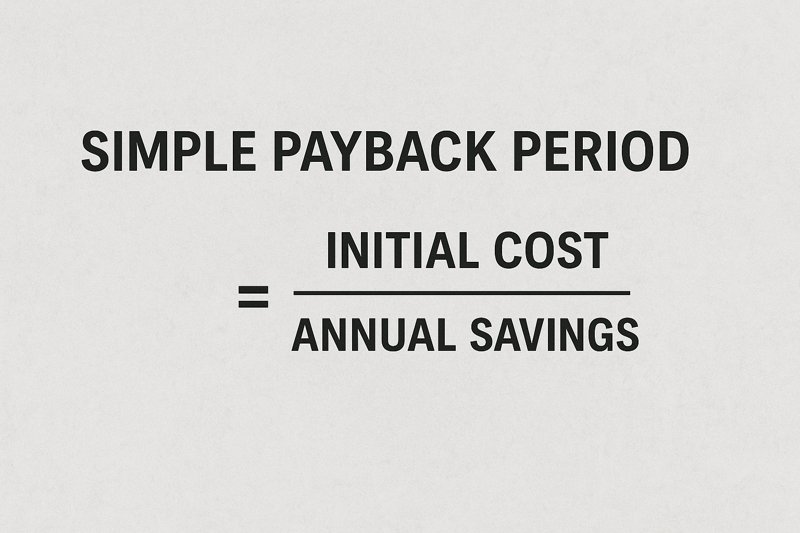
For any project manager or company owner, justifying an expense requires showing its value. This calculation is the key. While a full ROI calculation includes the total profit over the entire life of the investment, the simple payback period is a very useful and quick metric. It answers the question: "How long will it take for this investment to pay for itself?" This is a powerful tool for Tom when he presents a lighting proposal to his clients or partners.
Breaking Down the Calculation
Let’s look at the components of this analysis. The goal is to understand the flow of money—out at the beginning, and back in over time.
- Initial Investment (The "Cost")1: This is the total upfront cost to get the system running. We’ll detail this in the next section, but it’s more than just the price of the strips.
- Annual Savings (The "Return")2: This is where the long-term value comes from. It’s a combination of direct and indirect financial benefits.
- Direct Savings: This is primarily the reduction in your electricity bill.
- Indirect Savings: This includes money saved on maintenance, replacement parts, and the labor required to perform those tasks.
- The Simple Payback Formula3:
Initial Investment Cost / Annual Financial Savings = Payback Period in Years.- For example, if a complete outdoor LED lighting system costs $2,000 to install and it saves you $500 per year in electricity and maintenance compared to the old system, the payback period is 4 years ($2000 / $500). After year 4, the system is generating pure profit.
When I work with OEM clients or lighting designers, we often start with this simple payback model. It clearly demonstrates the financial viability of choosing a quality LED solution over older, less efficient technologies or even over very cheap, low-quality LEDs that will fail quickly. It shifts the conversation from "How much does it cost?" to "How quickly does it start making me money?".
| Calculation Component | Description | Why It Matters to a Buyer like Tom |
|---|---|---|
| Initial Investment | The total upfront, one-time cost of the entire system. | This is the number that needs to be budgeted for. |
| Annual Savings | The money the new system saves you every year. | This is the "return" that justifies the initial cost. |
| Payback Period | Time it takes for savings to equal the initial cost. | A clear, simple metric to evaluate the investment’s attractiveness. |
| Full ROI | Total net profit over the system’s life vs. initial cost. | A more comprehensive view of the total value generated. |
Understanding this framework is the first step to making a smart investment decision.
What Factors Make Up the Initial Investment Cost?
When budgeting for an outdoor LED strip project, the price of the strip itself is just one piece of the puzzle. What costs must be included for an accurate ROI calculation?
The total initial investment includes the cost of the outdoor LED strips, the required power supplies and controllers, all necessary mounting hardware like aluminum channels and connectors, and the cost of professional installation labor.
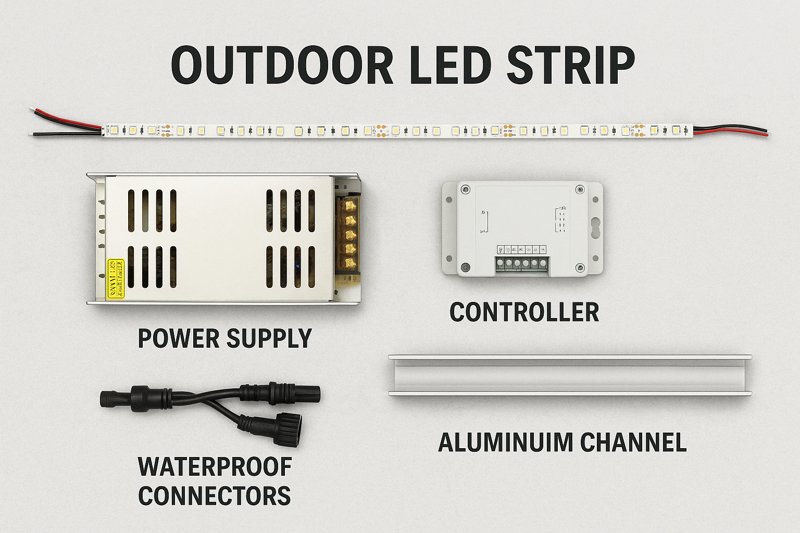
Overlooking any of these components will lead to an inaccurate budget and a flawed ROI analysis. At Rhlite, we provide a one-station solution because we know that a successful project depends on the quality of every single part of the system, not just the LED strip. For a buyer like Tom, getting a clear picture of the total system cost from a supplier is crucial for avoiding unexpected expenses.
A Line-by-Line Look at Upfront Costs
Let’s break down the initial investment into its core parts to understand how quality plays a role in each one.
- The LED Strips: This is the heart of the system. The cost here is influenced by:
- LED Chip Type4: A high-efficiency SMD 2835 will cost more than an older 3528.
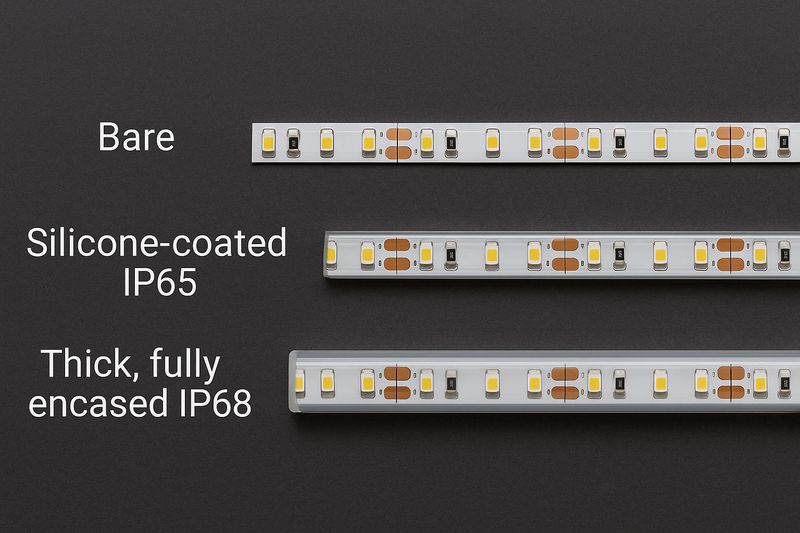
- IP Rating5: A true IP67 or IP68 rating with quality UV-resistant silicone or PU encapsulation costs more to manufacture than a simple IP20 strip or one with a cheap, non-durable coating.
- Quality & Brand: Strips from a reputable factory like Rhlite, using thicker copper PCBs and brand-name LED chips, have a higher material cost than generic, low-spec alternatives.
- Power Supplies & Controllers: This is the brain and muscle. Skimping here is a common mistake. A high-quality, weatherproof, stable power supply is essential for the longevity of the LED strips. Its cost is part of the initial investment.
- Mounting & Connection Hardware:
- Aluminum Channels: These are not just for looks; they are critical heat sinks for higher-power outdoor strips, directly impacting lifespan.
- Waterproof Connectors6: Using proper IP67/IP68 connectors instead of just tape and silicone is a small upfront cost that prevents catastrophic failure from moisture.
- Installation Labor: Labor can be a significant portion of the budget. A system that is well-designed with quality components can actually reduce installation time. Conversely, a cheap system that requires troubleshooting or fails during installation will skyrocket labor costs.
I once saw a client try to save money by buying cheap strips and separate, low-end power supplies. The communication was difficult, parts were incompatible, and the installer spent double the expected time on the job. The "savings" on materials were completely wiped out by the extra labor cost. This is a classic pain point Tom wants to avoid.
| Cost Component | Description | Impact on Total Investment |
|---|---|---|
| LED Strips | The light source itself. | Cost varies with quality, chip type, and IP rating. |
| Power Supplies | Converts AC to DC power. | A critical investment in system reliability and safety. |
| Controllers/Dimmers | For color changing or dimming. | An optional cost depending on desired functionality. |
| Mounting Hardware | Aluminum channels, clips, connectors. | Small but vital costs for ensuring longevity and a professional finish. |
| Installation Labor | Cost to have the system professionally installed. | Can be a significant cost, influenced by system complexity and quality. |
A smart investment starts with a realistic and complete budget.
Where Do the Long-Term Savings and Benefits Come From?
The initial cost is the easy part to see. The real power of an ROI analysis is in accurately identifying the long-term returns. Where does the value of quality outdoor LEDs truly come from?
Long-term benefits extend far beyond lower electricity bills. They include drastically reduced maintenance and replacement costs, enhanced property value and curb appeal, and improved safety and security for the outdoor space.
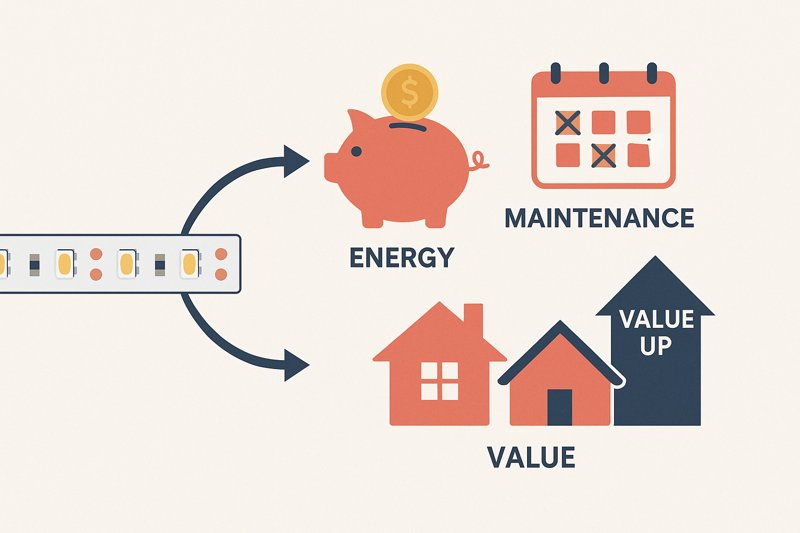
These savings are what make a slightly higher initial investment in a quality product pay off spectacularly over time. For Tom’s business model—sourcing quality products for projects—being able to articulate these multi-faceted benefits to his own clients is a huge advantage. It moves the conversation from price to value.
The Four Pillars of Long-Term Return
Let’s explore each benefit stream. Some are easy to quantify, others are less tangible but just as important.
1. Direct Energy Savings7
This is the most obvious return. LED technology is incredibly efficient. Compared to traditional lighting sources that were common outdoors:
- vs. Incandescent/Halogen: LED strips can use up to 80-90% less energy for the same amount of light output (lumens). This translates directly into a lower monthly electricity bill. For large commercial properties in places like North America, these savings can be substantial.
2. Reduced Maintenance & Replacement Costs8
This is often the largest, yet most overlooked, financial benefit.
- Lifespan: A quality outdoor LED strip from Rhlite is often rated for 30,000 to 50,000 hours. A traditional halogen bulb might last only 2,000 hours.
- The Math: This means you would have to replace the halogen bulb 15 to 25 times over the lifespan of a single LED installation. Consider not just the cost of 25 bulbs, but the labor cost of having someone replace them 25 times, especially if they are in hard-to-reach places like under eaves or high on a facade. This saving alone can often justify the entire initial cost.
3. Enhanced Property Value and Aesthetics
This is the "curb appeal" factor.
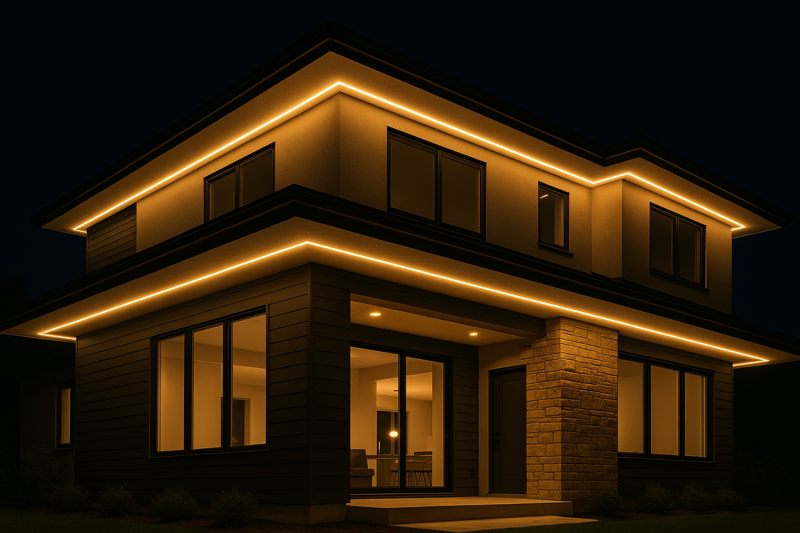
- Commercial Value: A beautifully lit building facade, landscape, or outdoor dining area is more inviting to customers and can directly increase business revenue. It enhances the brand image.
- Residential Value: Well-executed landscape and architectural lighting can significantly increase the perceived and actual resale value of a home.
- Usability: It extends the usable hours of outdoor spaces like patios, decks, and pools, which adds to the quality of life and value of the property.
4. Improved Safety and Security[^]9
While hard to put a direct dollar value on, this is a critical return.
- Safety: Well-lit pathways, stairs, and elevation changes prevent trips and falls, reducing potential liability.
- Security: A well-lit property perimeter is a known deterrent to intruders. This provides peace of mind and can sometimes lead to lower insurance premiums.
For any business owner like Tom, these four pillars represent the complete value proposition. It’s not just about selling a light; it’s about selling efficiency, reliability, beauty, and safety.
How Does Product Quality Directly Impact Your ROI?
You’ve calculated your potential ROI based on a 50,000-hour lifespan and 80% energy savings. But what if the "bargain" strip you bought fails after only one year?
High-quality outdoor LED strips are essential for ensuring the projected long-term savings are actually realized. Poor quality leads to premature failures that completely destroy the ROI calculation by voiding energy savings and multiplying maintenance costs.
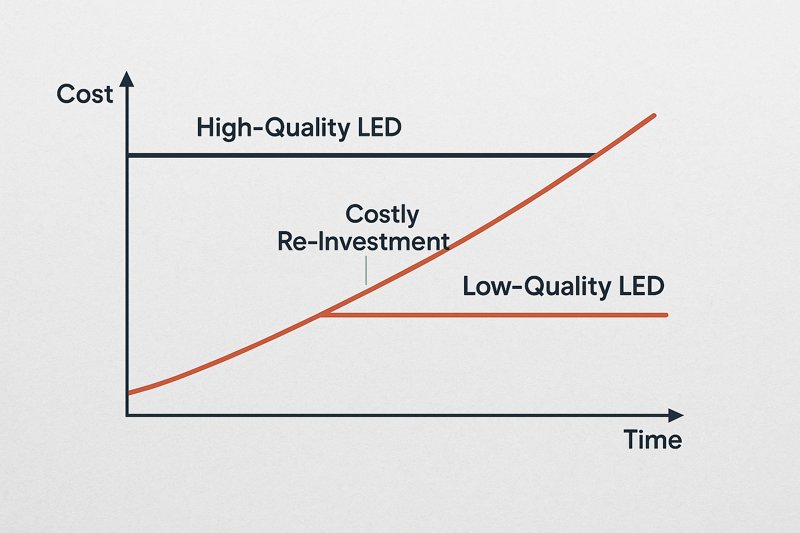
This is the most critical point for a professional buyer. The entire ROI model collapses if the product doesn’t last. This addresses Tom’s biggest pain points: delayed shipments are bad, but a product that fails in the field after installation is a disaster for reputation and finances. This is where investing in a reliable factory partner like Rhlite becomes a strategic business decision.
How "Cheap" Becomes "Expensive"
A low initial price is often a sign of compromises that directly sabotage your long-term return.
- Premature Lumen Depreciation: A low-quality strip uses inferior LED chips and has poor heat management. It might be bright out of the box, but it will dim drastically in a fraction of its claimed life. Your ROI is gone because the light is no longer functional and must be replaced.
- IP Rating Failure: This is a huge issue. A supplier might claim IP67, but use cheap materials or poor sealing techniques. The first heavy rain or sprinkler cycle causes moisture ingress, corrosion, and total failure. Your ROI is gone, and you have to pay for a full replacement, including labor.
- UV Degradation: A strip without proper UV-stabilized encapsulation will yellow, become brittle, and crack when exposed to sunlight in places like North America or Singapore. The cracks compromise the IP rating, and the strip fails. Your ROI is gone.
- Color Inconsistency: Using chips from wide, cheap bins means the color temperature can vary along the strip or between batches. For an architectural project, this is unacceptable and requires replacement. Your ROI is gone.
Investing in a quality Rhlite product with a proper IP rating, UV-stabilized materials, excellent thermal management, and tightly binned LEDs is not an expense. It is an insurance policy on your return on investment. It ensures the savings and benefits you planned for are the ones you actually get.
| Quality Factor | Impact of Low Quality on ROI | Rhlite’s High-Quality Approach |
|---|---|---|
| Component & Thermal Mgmt | Premature dimming and failure; voids entire lifespan calculation. | Uses quality chips & PCBs to ensure rated L70 lifespan. |
| IP Rating & Encapsulation | Moisture damage leads to catastrophic failure and full replacement cost. | Provides true, tested IP67/IP68 ratings with durable materials. |
| UV Resistance | Cracking and yellowing leads to aesthetic and physical failure. | Utilizes UV-stabilized silicone and PU for longevity in the sun. |
| Color Consistency | Looks unprofessional, may require costly replacement for aesthetic reasons. | Adheres to strict 3-Step MacAdam binning for uniformity. |
Conclusion
A smart ROI analysis for outdoor LED strips always looks beyond the initial price tag. Investing in quality secures the long-term energy and maintenance savings that deliver the best overall value and protects your reputation.
Understanding the initial investment is crucial for evaluating the feasibility and potential returns of any financial project. ↩
Annual savings directly affect the profitability of an investment, making it essential to analyze for long-term financial success. ↩
The simple payback formula is a key metric for assessing investment viability, helping you understand when you’ll start seeing profits. ↩
Understanding the differences in LED chip types can help you make informed decisions about your lighting investments. ↩
Learn about IP ratings to ensure your LED strips are suitable for your environment and will last longer. ↩
Discover the significance of waterproof connectors to prevent failures and ensure the longevity of your LED systems. ↩
Explore how LED technology can significantly reduce energy costs and improve efficiency for your business. ↩
Learn about the long-term savings and efficiency gained from reduced maintenance with LED lighting solutions. ↩