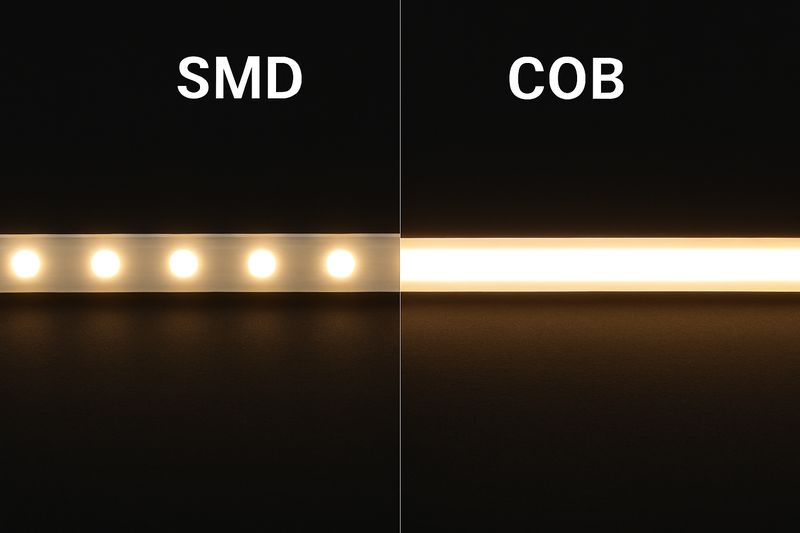
Struggling with dim or failing outdoor lights? Bad choices waste money and time. Discover top LED strip lights for vibrant, lasting illumination in this guide.
The best outdoor LED strip lights feature high IP ratings like IP67 or IP68 for weatherproofing, UV resistance, and robust construction. They provide bright, reliable lighting for gardens, patios, and commercial exteriors, ensuring durability and performance.
Choosing the right outdoor LED strip light can seem complex with so many options. But don’t worry. I’ll break down exactly what you, as a discerning buyer like Tom, need to know. As the owner of Rhlite, a factory specializing in LED strip solutions, I’ve seen it all. Let’s explore further to make your next project a success.
What Key Features Define the Best Outdoor LED Strip Lights?
Confused by technical specs for outdoor LEDs? Making the wrong choice means your lights might not even last a single season, leading to frustrated clients and costly replacements. Learn the essential features to ensure your lighting investment is sound.
Essential features for top outdoor LED strips are high Ingress Protection (IP) ratings (IP65 to IP68) for superior weatherproofing, UV resistance to prevent degradation, durable housing materials, appropriate brightness (lumens), and good color rendering (CRI).
When I talk to clients, especially experienced buyers like Tom who source for significant projects in North America or Japan, the first thing we discuss for outdoor LED strips is robustness. It’s not just about looking good on day one; it’s about performing reliably for years, even in challenging climates. This is where understanding the core features becomes critical.
Understanding IP Ratings
IP ratings are absolutely crucial for outdoor lighting. An IP (Ingress Protection) rating consists of two numbers. The first digit (ranging from 0 to 6) indicates the level of protection against solid objects, like dust and debris. A ‘6’ means it’s completely dust-tight. The second digit (ranging from 0 to 9) indicates protection against liquids, such as rain, splashes, or even immersion.
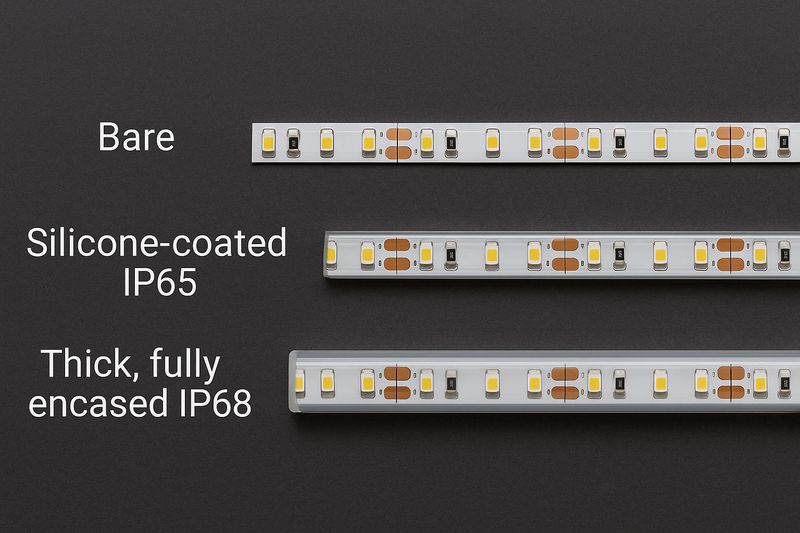
For general outdoor use, you should look for at least IP65. An IP651-rated strip is dust-tight and protected against water jets from any direction. This is suitable for many garden and patio applications. However, for areas prone to temporary immersion, like near pools, or in very wet climates, IP67 or even IP68 is better. IP67 means the strip can be submerged in water up to 1 meter deep for 30 minutes. IP68 offers even more robust protection against continuous immersion under specified conditions. At Rhlite, we ensure our outdoor strips meet these strict standards. We often provide IP67 as a baseline for truly weatherproof solutions, because we know that reliability is key for professionals. We also provide genuine certification, as I know firsthand how frustrating falsified certificates from some suppliers can be.
Material Durability and UV Resistance
The material encasing the LED strip is next on the list. Silicone is a common choice for its flexibility and excellent waterproofing properties. However, not all silicone is created equal. Lower-quality silicone can yellow, become brittle, and crack when exposed to prolonged sunlight (UV radiation). This not only looks bad but also compromises the waterproofing. We opt for high-grade, UV-stabilized silicone2 or sometimes polyurethane for our premium outdoor strips. These materials resist UV degradation, ensuring the strip remains clear, flexible, and watertight for years. The quality of the PCB (Printed Circuit Board3) inside also matters; a thicker copper PCB helps with heat dissipation, which significantly extends the lifespan of the LEDs.
Brightness and Color Quality
Brightness, measured in lumens per meter (or per foot), is vital. The required brightness will vary greatly depending on the application. For instance, subtle accent lighting in a garden might only need a few hundred lumens per meter, while commercial facade lighting could require several thousand lumens per meter for visibility from a distance.
Color Rendering Index (CRI) is another important factor, especially for commercial spaces or high-end residential projects where accurate color representation is important. CRI measures how well a light source shows the true colors of objects. A CRI above 80 is generally considered good, but for applications where color fidelity is critical, such as retail displays or architectural highlighting, a CRI of 90 or even 95+ is preferable. We offer a range of brightness levels and CRI options, and can customize these to specific project needs.
Here’s a quick summary of these critical features:
| Feature | Description | Importance for Outdoors | Rhlite’s Approach |
|---|---|---|---|
| IP Rating (IP65-IP68) | Protection against dust and varying levels of water ingress. | Essential for weather resistance, preventing shorts and damage. | Standard IP67/IP68 on outdoor products, full certification. |
| UV Resistant Material | Materials (e.g., high-grade silicone) that don’t degrade under sunlight. | Maintains clarity, flexibility, and waterproofing over time. | Use of UV-stabilized, anti-yellowing materials. |
| Robust Housing | Durable encapsulation and strong PCB. | Protects LEDs from physical damage, moisture, and thermal stress. | Quality materials, thicker copper PCBs. |
| Lumens per Meter/Foot | Measure of light output intensity. | Determines the brightness suitable for the specific application. | Wide range of outputs, customizable. |
| Color Rendering Index (CRI) | Ability of the light source to reveal colors accurately. | Important for aesthetics and true color representation of objects. | Options for CRI80+, CRI90+, CRI95+. |
| Operating Temperature | The range of ambient temperatures the strip can safely operate within. | Ensures performance in diverse climates, from hot summers to cold winters. | Wide operating temperature range for reliability. |
These are the non-negotiables for any outdoor LED strip light I’d recommend or that we, as Rhlite, would manufacture for our clients. Getting these right means a longer-lasting, better-performing installation.
How Can You Select the Ideal Outdoor LED Strip for Gardens and Patios?
Dreaming of a vibrant garden or a cozy patio after sunset? The wrong LED strips can turn that dream into a bland, uninviting space. Let’s find the perfect illumination to make your personal outdoor retreat truly special.
For gardens and patios, select IP65-IP67 rated LED strips. Warmer color temperatures (2700K-3000K) create a cozy ambiance. Lower to moderate brightness is often best for accenting features without causing glare.
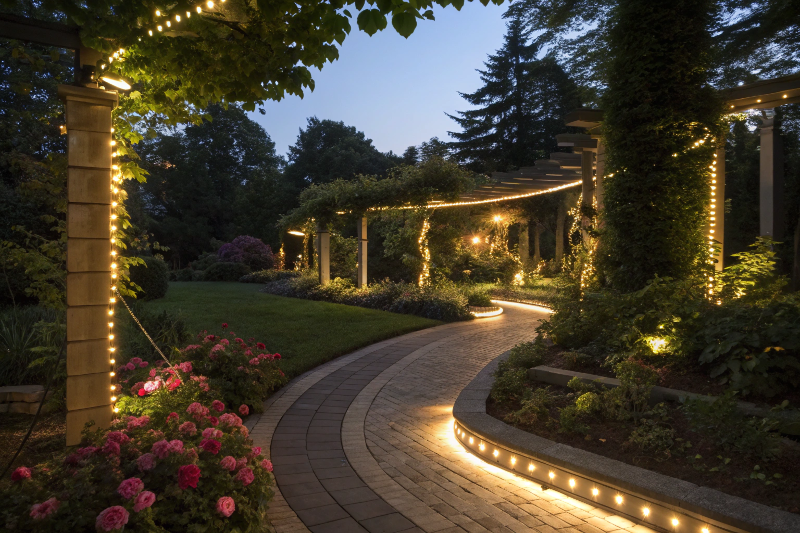
When I work with lighting designers or even directly with contractors installing lights for homeowners, the conversation for gardens and patios often centers on creating an atmosphere. While durability (as discussed with IP ratings and materials) is still paramount, the aesthetics and the mood the light creates become equally important. Tom, I know you appreciate quality, and even for residential projects, this cannot be compromised – but value is also key. Smart choices here deliver both.
Creating Ambiance with Color Temperature
Color temperature4, measured in Kelvin (K), plays a huge role in how an outdoor space feels. For gardens and patios, the goal is usually a warm, inviting, and relaxing atmosphere.
- Warm White (2700K-3000K): This is my go-to recommendation for most residential outdoor spaces. It closely mimics the warm, cozy glow of traditional incandescent bulbs or even candlelight. It’s perfect for setting a relaxing mood for evening gatherings, outdoor dining, or simply unwinding after a long day. At Rhlite, this is our most popular CCT for these applications.
- Neutral White (3500K-4000K): This can be an option if a slightly cleaner, more contemporary look is desired, perhaps for modern patio designs. However, I generally suggest reserving this for specific task areas if any, rather than general ambiance.
I usually advise against cool white (5000K and above) in these settings, as it can feel stark, clinical, and less welcoming, unless a very specific modern architectural statement is intended.
Strategic Placement for Gardens
In gardens, LED strip lights5 are incredibly versatile for adding beauty and functionality:
- Pathways: Low-profile strips can be installed along the edges of walkways, providing subtle and safe guidance without being obtrusive.
- Planter Beds and Borders: Illuminating flower beds, shrubs, or garden borders from below or behind adds depth, highlights textures, and brings the garden to life at night.
- Water Features: IP67 or IP68 rated strips are essential here. They can be used near ponds, fountains, or waterfalls to create magical reflections. (Always ensure any electrical components are installed safely and to code, especially near water).
- Underneath Benches or Steps: This is a great way to add a "floating" effect and provide soft, indirect light.
For these garden applications, lower to moderate brightness is typically best. You want to accent features, not flood the entire area with harsh light. We often recommend strips with around 300-600 lumens per meter. Dimmability is also a fantastic feature here, allowing homeowners to adjust the light intensity.
Patio Lighting Considerations
Patios are often extensions of indoor living spaces, so the lighting should be just as thoughtful:
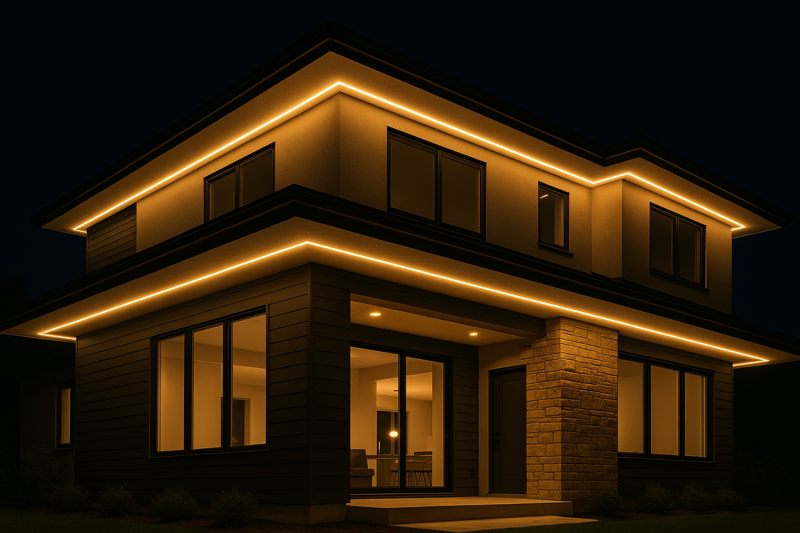
- Under Railings or Overhangs: Installing LED strips under handrails, capstones of retaining walls, or patio roof overhangs provides excellent indirect lighting, reducing glare and creating a sophisticated look.
- Perimeter Lighting: Running strips along the edges of a patio can help define the space and add a sense of enclosure and intimacy.
- Step Lighting: Illuminating patio steps is crucial for safety, especially at night. Discreetly installed LED strips can make steps clearly visible.
Again, warm white (2700K-3000K) is typically preferred for a welcoming feel. As with gardens, dimmable LED strips are highly recommended for patios. This allows the user to adjust the light level for different activities – brighter for entertaining guests, and softer for quiet relaxation. We at Rhlite ensure our strips are compatible with a variety of dimming controllers and smart home systems.
| Application Area | Recommended CCT | Brightness Level (Lumens/meter) | Key Consideration | Typical Rhlite Offering |
|---|---|---|---|---|
| Garden Pathways | 2700K-3000K | 300-500 | Subtle guidance, IP67 if ground-level/wet areas | IP67 Warm White Strips |
| Planter Accents | 2700K-3000K | 200-400 | Highlighting texture and color, low glare | Low-output IP65/IP67 Strips |
| Patio Overhangs | 2700K-3000K | 400-700 | Indirect, ambient lighting, good diffusion needed | Medium-output IP65 Strips |
| Deck/Patio Steps | 2700K-3500K | 300-500 | Safety, clear visibility, robust housing | Durable IP67 Strips |
| Under Railings | 2700K-3000K | 300-600 | Defining edges, ambient glow, concealed mounting | Slim Profile IP65 Strips |
Choosing the right strip for gardens and patios is about finding that perfect balance between creating a beautiful, inviting atmosphere and ensuring the practical aspects of durability, safety, and ease of use are met. This ensures these cherished outdoor spaces can be enjoyed to their fullest, season after season.
What Should You Look for in Outdoor LED Strips for Commercial Spaces?
Commercial projects demand impactful, reliable lighting, but are you worried about ongoing maintenance headaches and energy costs? Subpar lights lead to frequent, costly replacements, a poor brand image, and safety concerns. Discover how to select durable, impressive commercial outdoor LED strips.
For commercial spaces, prioritize top-tier durability (IP67/IP68), higher brightness levels for visibility and impact, excellent color consistency across all units, and longer warranty periods. Consider DMX or other control systems for dynamic effects and energy management.
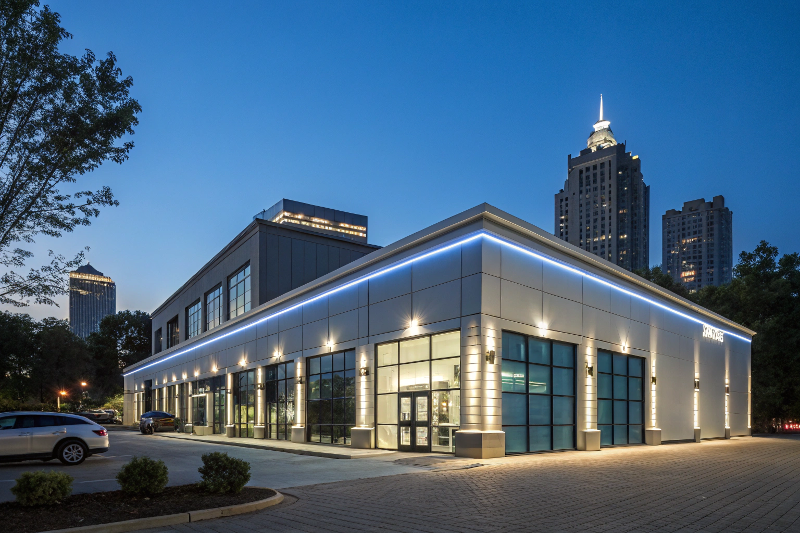
When it comes to commercial outdoor lighting – think building facades, signage, public walkways, and large landscaped areas – the requirements shift significantly. We’re talking about brand image, public safety, energy efficiency, and long-term operational costs. Tom, when you’re sourcing for large-scale architectural projects or for OEM/ODM clients who will rebrand these products for commercial use, the specifications become even more stringent and non-negotiable. This is where our capabilities as a dedicated LED strip light factory at Rhlite truly come into play.
Durability and Brightness for Maximum Impact
Commercial exteriors are constantly exposed to the elements and often need to be visible from a distance or make a strong visual statement.
- IP67/IP68 Ratings are Standard6: For any commercial outdoor application, IP67 or IP68 is generally the minimum I would recommend. These installations need to withstand everything from torrential rain and snow to high-pressure washing for cleaning.
- High Lumen Output is Often Necessary7: Commercial applications usually require significantly brighter light than residential settings. Building facades might need 1000-2000 lumens per meter, or even more, depending on the mounting height, desired effect, and ambient light levels. This ensures the building, signage, or landscape feature stands out and is clearly visible.
- Robust Physical Construction8: Beyond just the IP rating, the physical construction of the LED strip must be extremely tough. This includes using reinforced PCBs, high-quality LEDs with good thermal management, and durable encapsulations that can also withstand mechanical stress or minor impacts.
I recall a project for a client in North America who needed facade lighting for a series of retail outlets in a coastal area. The salt spray and high winds were major concerns. We supplied them with custom-length IP68 strips that had an extra protective coating against corrosion. They needed to be reliable because call-backs for maintenance on multi-story facades are very expensive.
Color Consistency, Control, and Quality
For branding and architectural highlighting, the quality and control of light are paramount.
- Strict LED Binning for Color Consistency: This is critical. When multiple LED strips are used on a large project, they must all emit the exact same shade of white or the same color. There’s nothing that looks more unprofessional than a facade where different sections have slightly different hues. At Rhlite, we use very tight LED binning processes to ensure this uniformity across different production batches.
- Advanced Control Systems (DMX, 0-10V): Many commercial projects require dynamic lighting effects – color changes, fades, chases – especially for architectural features or themed environments. DMX512 is the standard protocol for such sophisticated control. Our addressable LED strips (pixel strips) are fully compatible with DMX systems. For simpler dimming or static color control, 0-10V or DALI systems are also common, and our strips can integrate with these too.
- High CRI for True Color Representation: For retail storefronts, restaurants, or highlighting architectural materials, a high Color Rendering Index (CRI of 90+) is vital. It ensures that products, signage, and building finishes are displayed in their true colors, enhancing appeal and brand perception.
Long-Term Value, Customization, and Certification
Commercial clients and B2B buyers like Tom are always looking at the total cost of ownership and the reliability of their supply chain.
- Energy Efficiency and Longevity: High-efficacy LEDs (more lumens per watt) are essential to keep operational electricity costs down. Furthermore, commercial-grade strips should be designed for a long operational life, typically 50,000 hours or more (L70). This minimizes replacement frequency and associated labor costs.
- Comprehensive Warranties and Certifications: Reputable manufacturers will back their commercial-grade products with solid warranties. Also, ensure products have the necessary certifications for the target market (e.g., UL for North America, CE for Europe). This is a key point for sourcing, and we always provide authentic documentation.
- Customization Capabilities: This is where a factory partner like Rhlite adds significant value. We can customize strip length, specific color temperatures (CCTs), brightness levels, lead wire types and lengths, connectors, and even provide custom labeling or packaging for OEM/ODM clients. This flexibility allows you to get a product perfectly tailored to the unique demands of each commercial project.
| Commercial Application | Key Requirement | Rhlite Solution Focus |
|---|---|---|
| Building Facades | High Brightness, IP68, Color Consistency, DMX Control Option | High-lumen output IP68 strips, strict binning, DMX compatible pixel strips |
| Illuminated Signage | Uniform Illumination, Weatherproof (IP67+), Long Lifespan | Even light distribution, custom lengths, durable IP67/68 encapsulation |
| Commercial Landscaping | Durability, IP67+, Controlled Beam (if needed), Safety | Robust IP67/68 strips, options for specific CCTs for plants/features |
| Public Walkways/Plazas | Safety (brightness, uniformity), Vandal Resistance, Efficiency | Bright, durable linear fixtures or strips, energy-efficient design |
| Architectural Details | Precise Color (High CRI), Controllability, Concealment | CRI90/95+ strips, tunable white options, slim profiles, DMX/0-10V control |
| Hospitality/Entertainment | Dynamic Color, Theming, Reliability, Integration | RGB/RGBW DMX pixel strips, robust controllers, custom solutions |
For commercial projects, success hinges on selecting LED strip lights that are not just visually stunning on installation, but are engineered for superior performance, longevity, and low maintenance, delivering true long-term value. This is what we focus on providing to our B2B clients worldwide.
Conclusion
Choosing top outdoor LED strips means focusing on IP rating, material quality, specific brightness, and color needs for your application. With these insights, your gardens, patios, and commercial spaces will shine brightly and reliably for years.
Understanding IP65 is essential for selecting reliable outdoor lighting that withstands dust and water exposure. ↩
Explore how UV-stabilized silicone enhances the durability and longevity of outdoor LED strips against sunlight damage. ↩
Learn about the importance of PCB quality in LED strips and how it impacts performance and longevity. ↩
Understanding color temperature can help you create the perfect ambiance for your outdoor spaces, enhancing relaxation and enjoyment. ↩
Explore how LED strip lights can transform your garden into a beautiful, functional space with the right lighting techniques. ↩
Understanding IP ratings is crucial for ensuring durability in outdoor lighting applications, especially in harsh environments. ↩
High lumen output is essential for visibility and safety in commercial settings, making it a key factor in lighting design. ↩
Exploring robust construction in LED lighting helps ensure longevity and performance, especially in demanding conditions. ↩