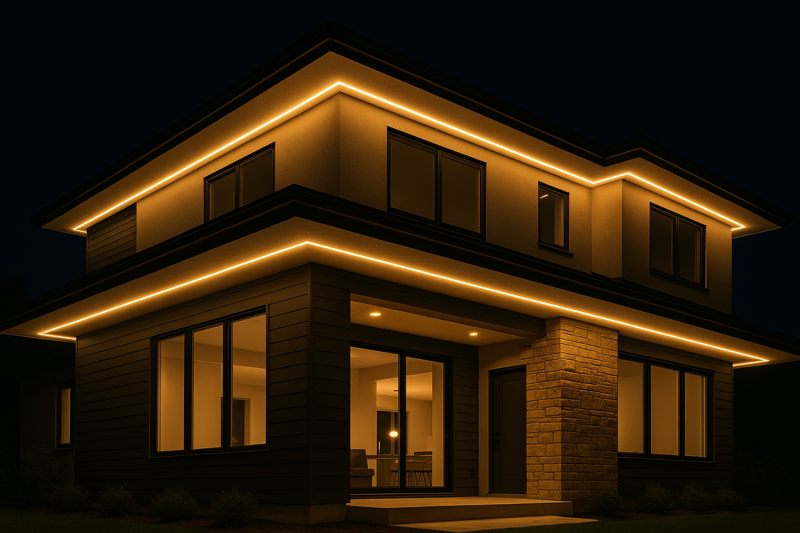
Choosing reliable LED strip lights can be difficult, especially when working on large outdoor projects with tight deadlines and varying weather. I’ve been in that situation more than once, and it’s never fun when products fail midway.
Contractors choose these LED strip lights because they’re durable, waterproof, easy to install, and compatible with professional control systems.
If you manage outdoor lighting installations, I’ll walk you through the real reasons why experienced contractors come back to these LED strips over and over again.
What makes LED strip lights reliable for outdoor construction?
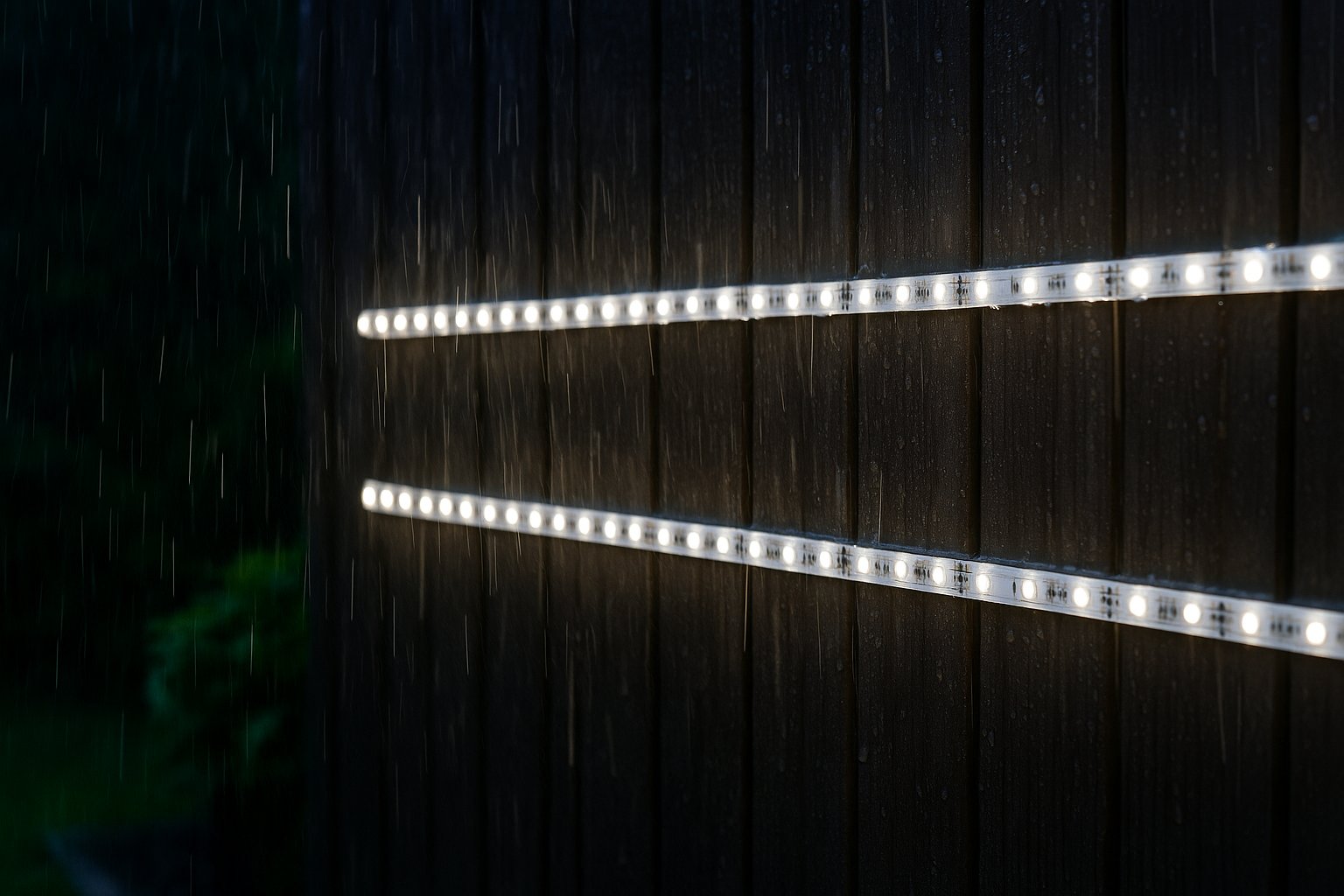
Contractors prioritize LED strips that perform consistently in rough conditions—rain, heat, and dust.
Contractors work in environments where products are often tested to their limits. I’ve seen cheap strips fail after two weeks in a humid climate. It wasn’t just embarrassing—it meant extra labor, double installation, and damage to our reputation.
Why IP67 and IP68 Ratings Matter
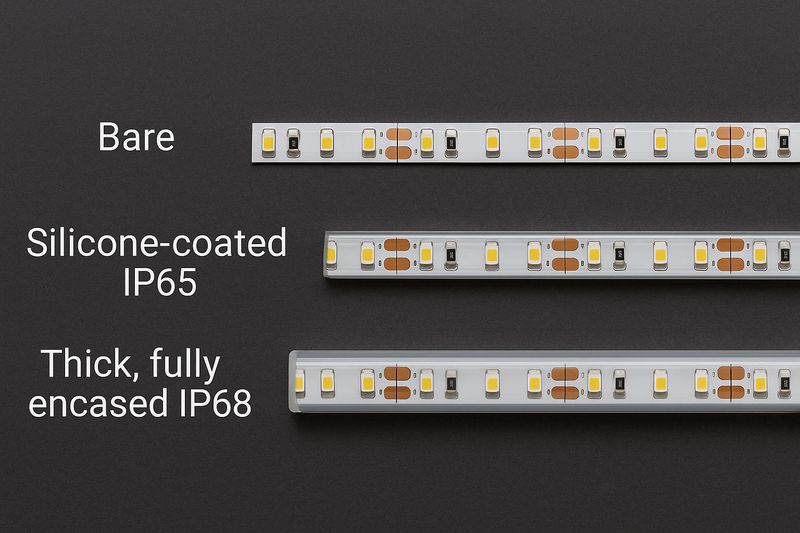
Water, dust, and UV exposure are common issues on site. That’s why most professionals go straight to IP67 or IP68 LED strips. They’re sealed tight—usually with silicone or PU. But there’s more.
Environmental Challenges We Face
| Challenge | Impact on LED Strip | Solution Used by Contractors |
|---|---|---|
| Heavy Rain | Short circuits, corrosion | IP68 sealed silicone jackets1 |
| Extreme Heat | Melting, fading | High-temp PU housing2, ventilation |
| UV Exposure | Cracking, discoloration | UV-proof coating3 |
Using higher-quality coatings like PU or silicone also means strips last longer in direct sunlight. I now always check these specs before I even request a quote.
How do installation features save time and labor costs?
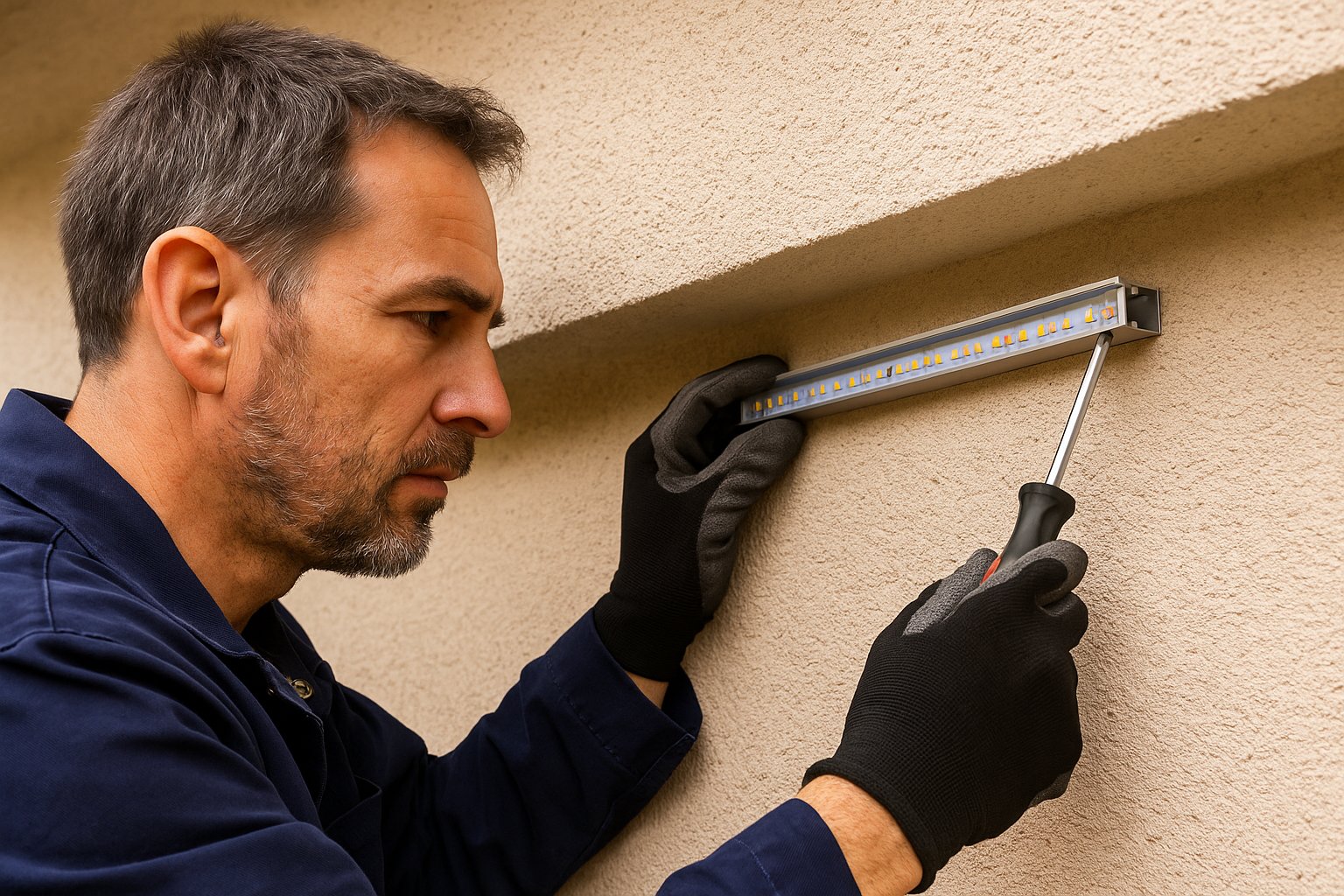
Contractors value easy-to-use strips with flexible mounting options to speed up on-site work.
Labor hours are expensive. When an LED strip takes twice as long to mount, we lose money. I always prefer strips that come with accessories—aluminum profiles, snap-in clips, or solderless connectors.
The Real Cost of Installation Time
One project had us mounting strips to 300 meters of soffit. The strips had adhesive only—no mounting tracks. After a few hot days, they started peeling off. We had to redo everything using aluminum channels.
Tools That Save Time
- Aluminum profiles4 – Keep strips straight and cool
- Silicone sleeves5 – Great for curved corners
- Pre-soldered connectors6 – Avoid time-consuming splicing
Installation isn’t just about sticking things on. It’s about building something that lasts—and installing it once.
Why do contractors prefer high-voltage or long-run LED strips?
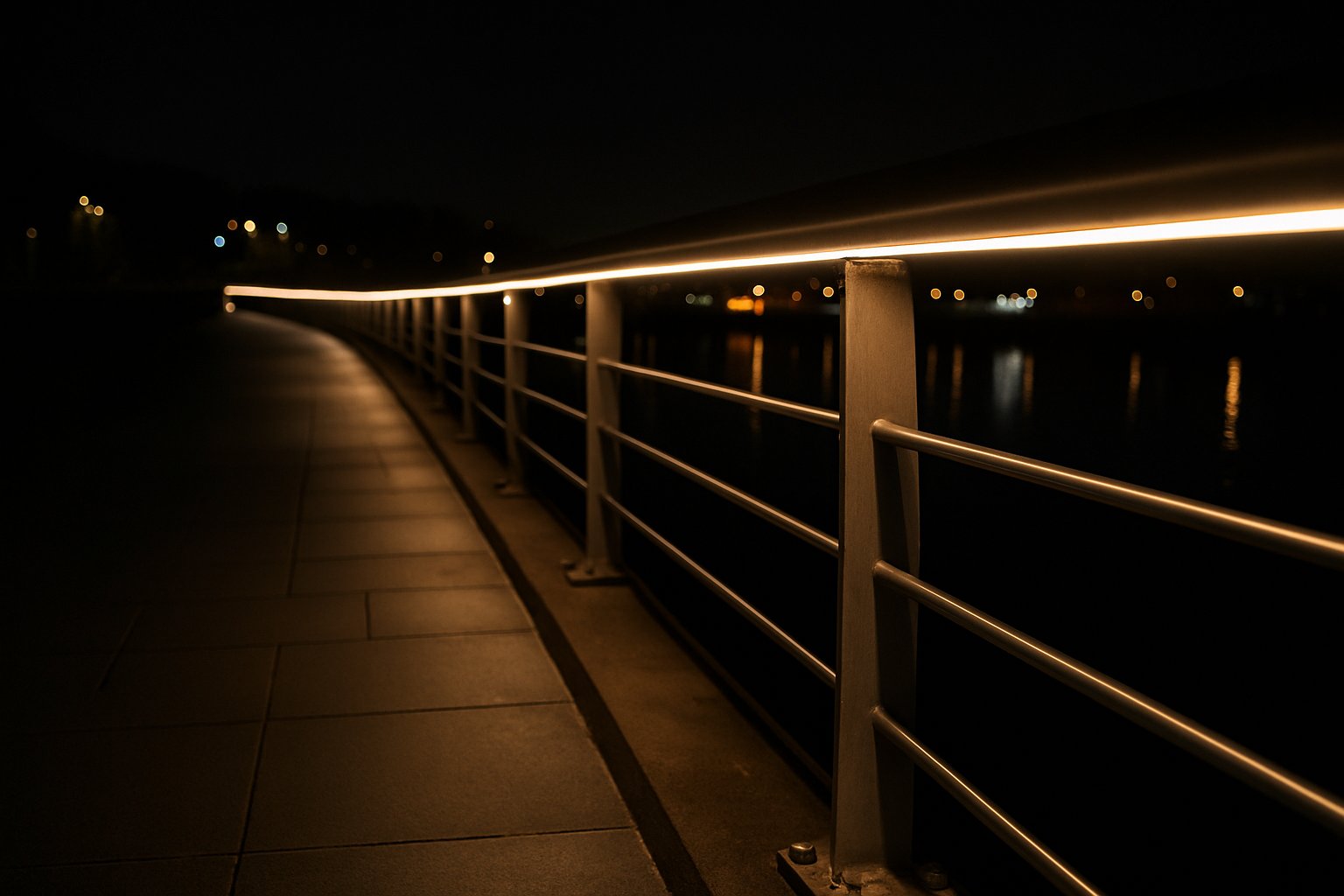
Long runs mean fewer connections, less power loss, and less time spent troubleshooting voltage drops.
Low voltage strips often dim toward the end of long runs. I’ve learned to avoid them for large outdoor projects. If you’re doing a 50-meter bridge railing, you’d rather use one driver than six.
Voltage Drops Are a Hidden Risk
Poor voltage planning7 results in uneven brightness or early failure. Once, we installed 12V strips across a 20-meter wall. By the end, they looked dim and inconsistent. We had to replace them all with 48V strips8.
Choosing the Right Voltage
| Voltage | Max Length (Single Driver) | Typical Application |
|---|---|---|
| 12V | 5–10 meters | Decorative lighting, indoor shelves |
| 24V | 15–20 meters | Shopfronts, residential soffits |
| 48V | 30–50 meters | Hotels, building facades, bridges |
Go longer with less wiring, fewer failures, and better power efficiency.
How does light quality affect client satisfaction?
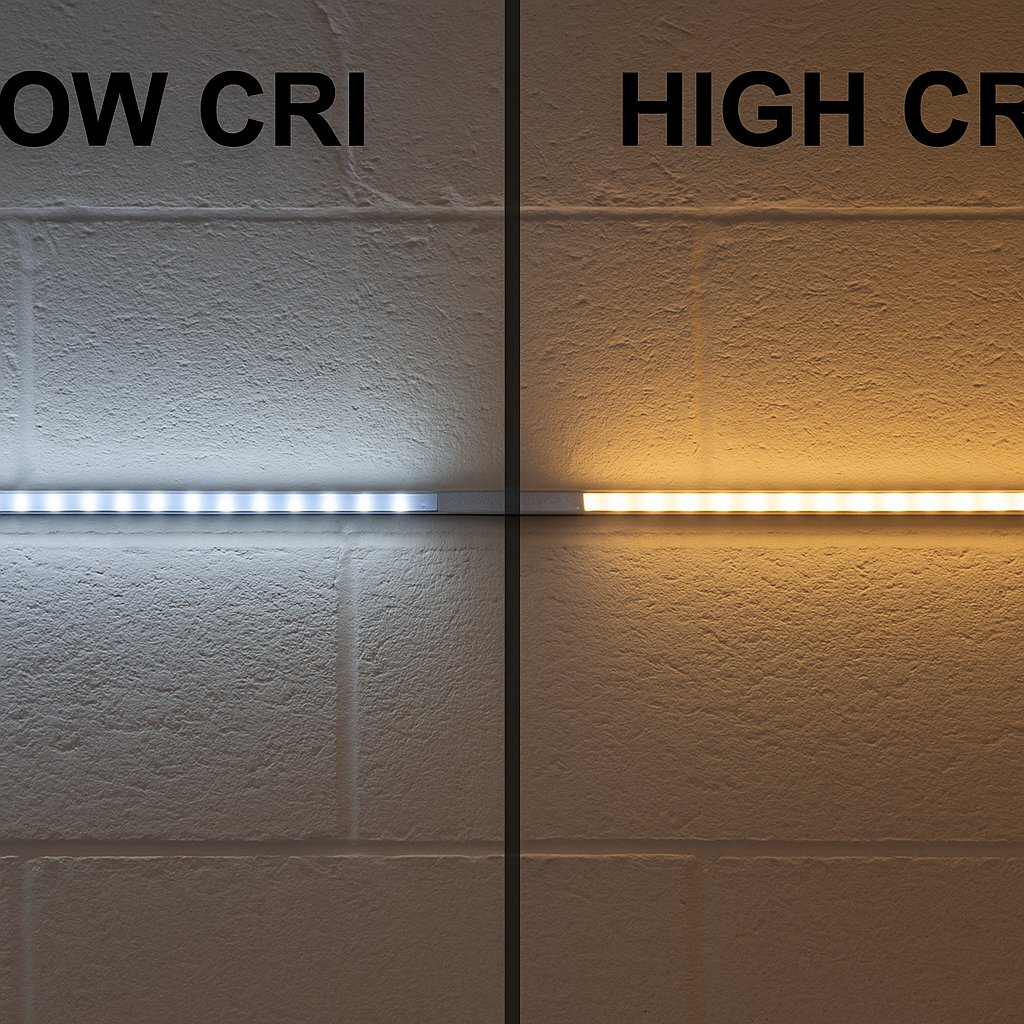
Consistent brightness and color accuracy help contractors impress clients and avoid callbacks.
When a client points out color mismatches or flickering, it undermines trust—even if the rest of the job is perfect. I’ve had this happen early in my career with budget strips.
The Role of CRI and Chip Binning
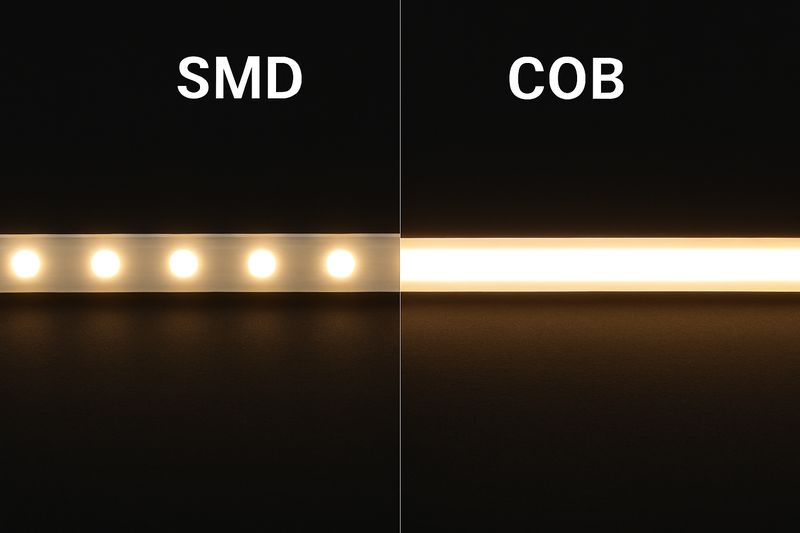
Now I specify CRI over 80 and chip binning in my orders. It guarantees better visual results and happy clients. COB strips also help eliminate hotspots, giving smooth lines of light that just look professional.
Comparing Strip Quality
| Factor | Cheap Strips | Contractor-Grade Strips |
|---|---|---|
| CRI | 70 or less | 80–95 |
| Chip Bin | Mixed lots | Single-bin |
| Hotspots | Obvious, dotted | Smooth with COB or diffuser |
Better light equals better impressions—and better reviews.
What makes smart control integration important?
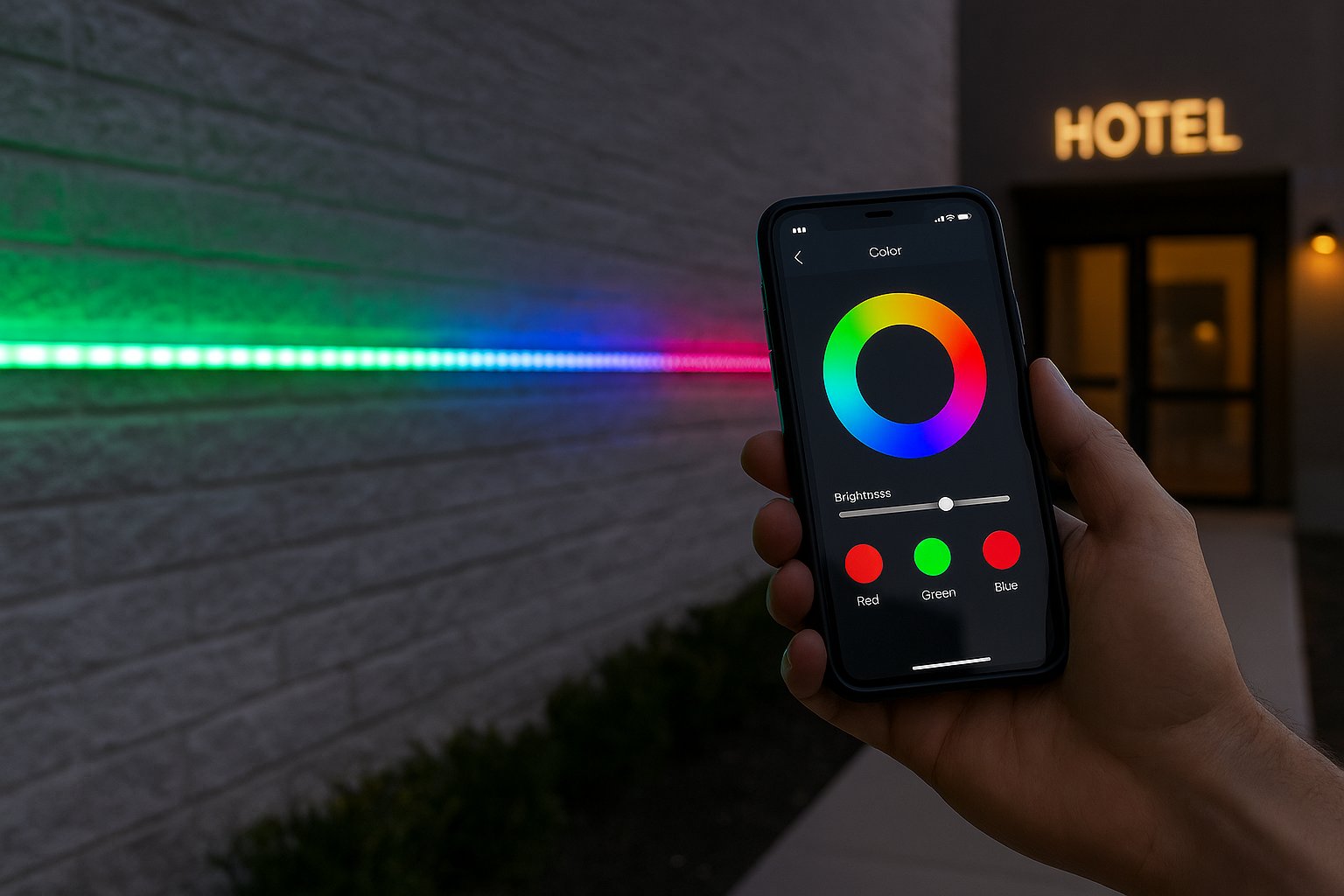
Smart-ready LED strips allow contractors to future-proof systems and deliver high-end solutions.
Clients expect app control, timers, and integration with other smart devices. In high-end homes and hotels, we’re now asked about Alexa, DALI, and scene presets as standard.
Avoiding Compatibility Failures
One job nearly failed when a supplier shipped non-dimmable strips for a DMX setup. We had to scramble to replace them. Since then, I double-check driver and protocol compatibility before installation.
Popular Control Options
| Control Type | Common Projects | Pros |
|---|---|---|
| DALI | Hotels, malls | Stable, pro-grade control |
| DMX | Clubs, landmarks | Dynamic effects |
| Wi-Fi | Homes, retail | Easy to install, app ready |
Always check compatibility with drivers and dimmers before ordering.
Why price-to-performance matters most in real projects?
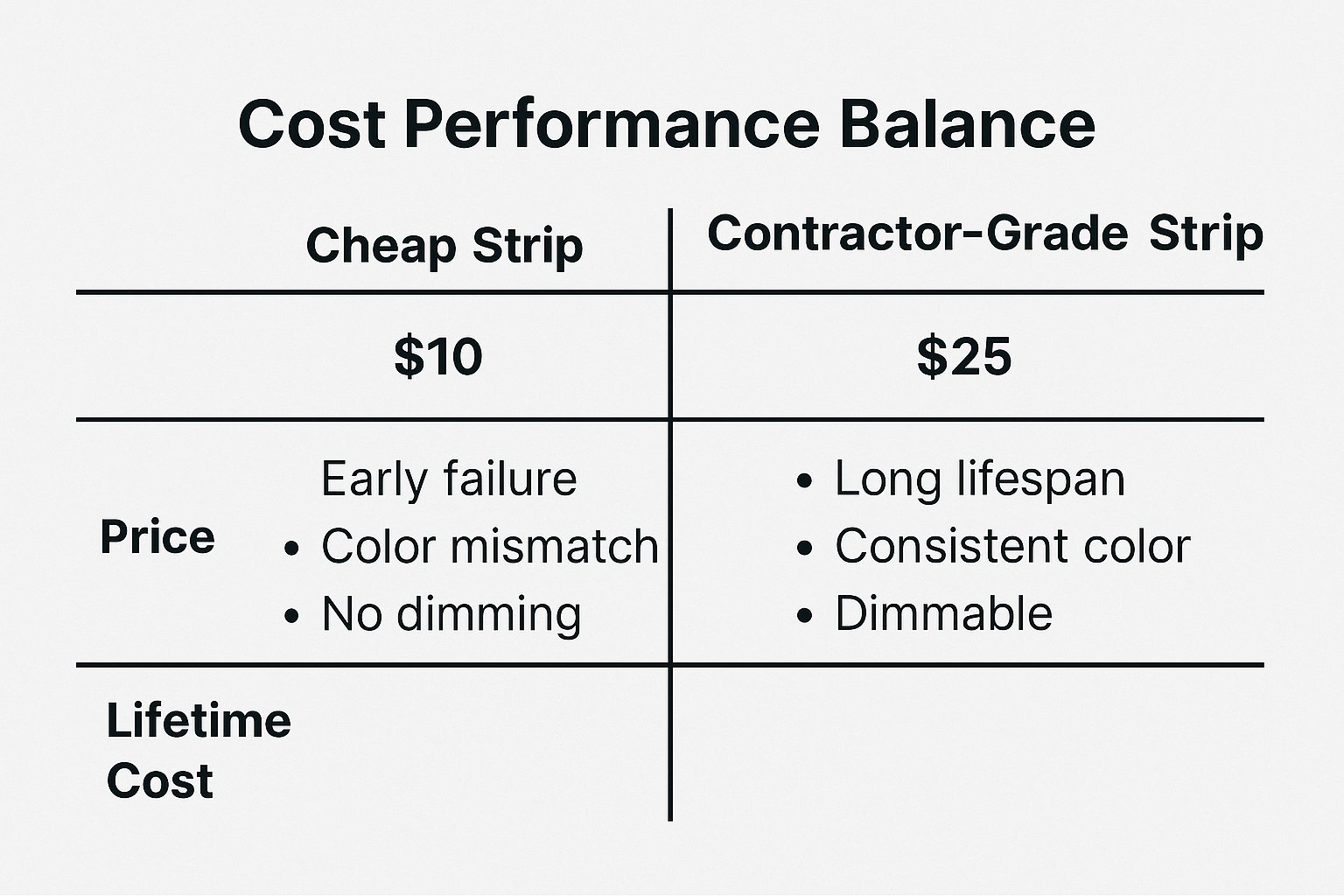
Contractors need lighting that balances cost and quality—cheap options cost more later.
I’ve seen cheap strips with poor adhesive fail within a month. We had to remove everything and reinstall with better products. That meant double labor and lost client confidence.
What Does “Performance” Really Mean?
It’s not just about specs. It’s about whether the strip will work at 2AM in the rain when your client calls. I only use suppliers that provide detailed test data and offer at least 3-year warranties.
Hidden Costs of Cheap Strips
| Issue | Effect | Long-Term Cost |
|---|---|---|
| Early failure | Reinstallation | Double labor |
| Color mismatch | Client complaints | Rework, lost trust |
| No dimming | System incompatibility | Controller returns |
A higher price up front can save thousands down the line.
Conclusion
Contractors prefer these outdoor LED strip lights because they work, save time, and keep clients happy. Reliability, easy setup, good light quality, and control compatibility make them the top choice for real-world outdoor jobs.
Learn about IP68 jackets to ensure your LED strips are protected from water and dust, enhancing their lifespan. ↩
Discover how high-temp PU housing can prevent damage from extreme heat, ensuring your LED strips perform optimally. ↩
Understanding UV-proof coatings can help you choose the right LED strips for outdoor use, ensuring durability and longevity. ↩
Explore how aluminum profiles can enhance your installation process and ensure durability in your projects. ↩
Learn how silicone sleeves can help you achieve better results in curved corners and save time during installation. ↩
Discover the efficiency of pre-soldered connectors and how they can streamline your installation process. ↩
Understanding voltage planning can help you avoid issues like uneven brightness and early failures in your lighting projects. ↩
Exploring the advantages of 48V strips can guide you in making better choices for long-lasting and efficient lighting solutions. ↩