Feeling overwhelmed choosing LED strips for cabinets? You’re not alone.
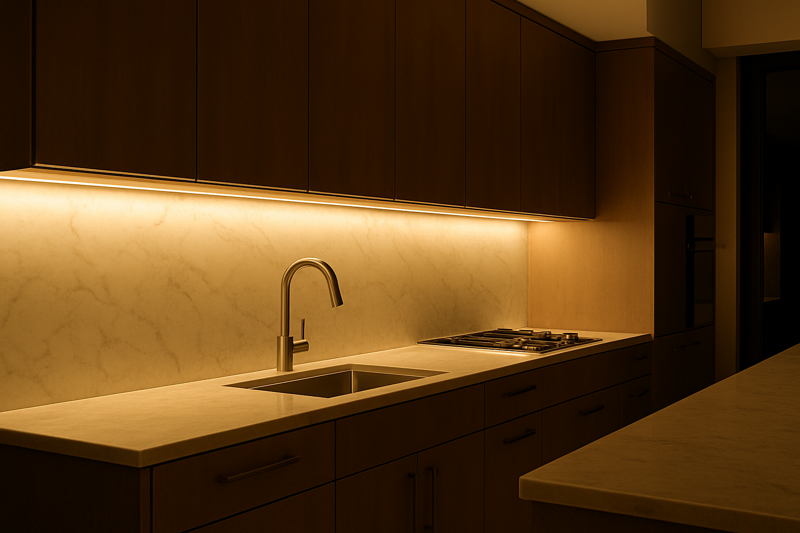
The right LED strip light transforms kitchen cabinets with better lighting and ambiance.
There’s more than just brightness and color—keep reading to learn everything that actually matters.
What brightness should under cabinet lights be?
Most kitchens look dim without proper under-cabinet lighting.
For kitchens, 250 to 500 lumens per foot is recommended for under cabinet lights.
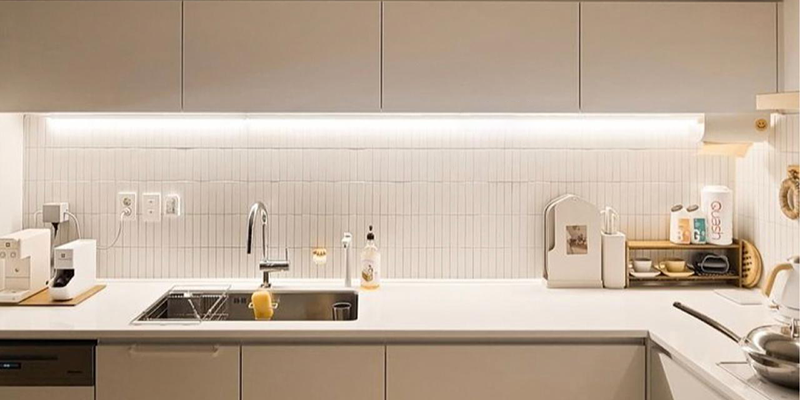
When I was remodeling my kitchen, I realized that general ceiling lights weren’t enough. Shadows made it hard to chop vegetables or measure ingredients. That’s when I added LED strip lights under the cabinets, but initially, I went too dim. The lighting looked nice but didn’t help. I upgraded to a 400-lumen-per-foot option, and the difference was immediate.
Understanding Brightness in Real Life
Many LED strip manufacturers use marketing language like “super bright,” but without knowing the lumen output1, you’re flying blind. Here’s a simple rule I follow:
- 250–350 lumens/foot: Good for accent lighting or shallow counters.
- 350–500 lumens/foot: Best for functional lighting like food prep.
- 500+ lumens/foot: Can be harsh unless dimmed or diffused.
LED Brightness Table
| Application | Recommended Lumens/Foot |
|---|---|
| Accent Lighting | 150–300 |
| Task Lighting | 350–500 |
| Commercial Kitchens | 500+ |
Choosing LED strips with dimmable drivers2 is ideal. I use a remote controller to switch modes between prep time and dinner time. The flexibility saves energy and reduces eye strain.
What is the best color for under cabinet lighting?
Color temperature affects how your food and counters look.
Neutral white (4000K to 4500K) works well for most kitchen cabinet lighting.
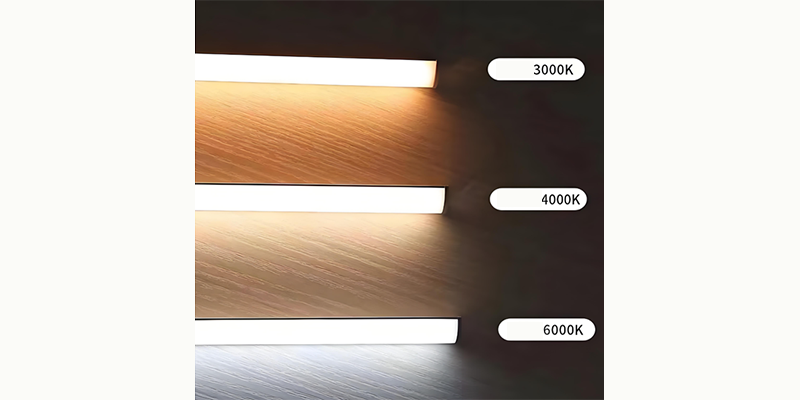
In my early design trials, I tested three different kitchens with different color temperatures. One had warm white (3000K), another had neutral (4000K), and the last used cool white (6000K). The warm light was relaxing but lacked clarity. The cool white made stainless steel surfaces pop but felt too industrial. Neutral white was the best of both—it looked modern and practical.
How Color Temperature3 Influences Atmosphere
The same countertop can look dramatically different under different lights. Neutral white brings out the texture in quartz and tile, while warm light flattens the details.
| Kelvin (K) | Light Color | Visual Impact |
|---|---|---|
| 2700K | Yellowish Warm | Cozy, but reduces visibility |
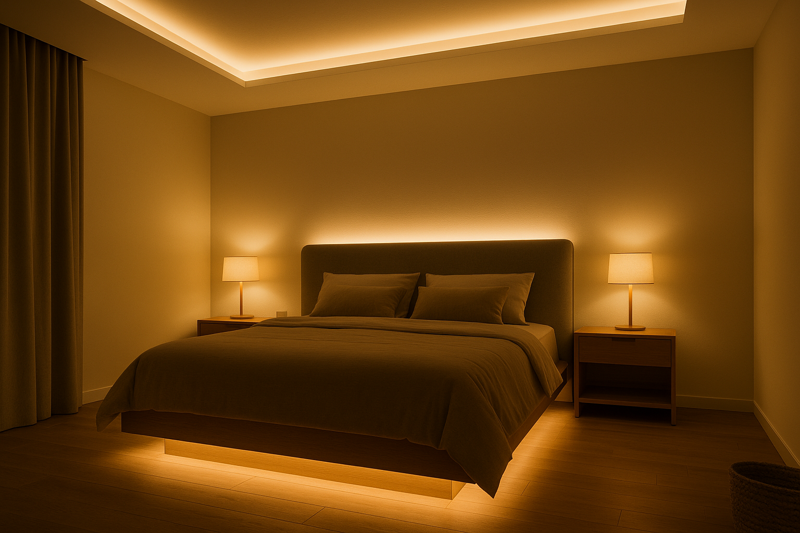
| 3000K | Soft Warm | Good for traditional kitchens |
| 4000K | Neutral White | Balanced, ideal for task areas |
| 5000K | Bright White | Crisp, slightly blue-ish tone |
If you want to use your kitchen for both cooking and entertaining, a tunable white LED strip4 might help. Some models let you switch from 3000K to 5000K depending on the time of day or mood.
How do you hide LED strips under cabinets?
Exposed LED strips can ruin your kitchen’s clean look.
Use aluminum channels and diffusers to hide LED strips neatly and reduce glare.
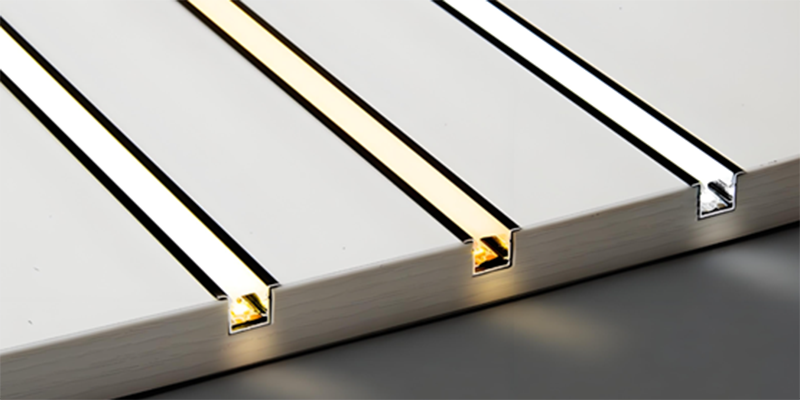
When I first installed LED strips, I skipped the mounting hardware and stuck them directly with adhesive. Big mistake. The light dots were too harsh, and the glue started peeling in less than a year due to humidity. Later, I invested in aluminum profiles with diffusers and end caps, and the aesthetic improvement was dramatic.
Ways to Hide LED Strips
| Hiding Method | Benefits | Drawbacks |
|---|---|---|
| Aluminum Profiles | Clean, protects LED | Slightly more cost |
| Recessed Mounting5 | Fully invisible | Needs custom cabinet design |
| Lip of Cabinet Frame | Simple and effective | Depends on cabinet structure |
Mounting Techniques That Work
- Use angled profiles: They aim light toward the backsplash instead of directly down.
- Install behind a face frame or valance: This hides the strip completely.
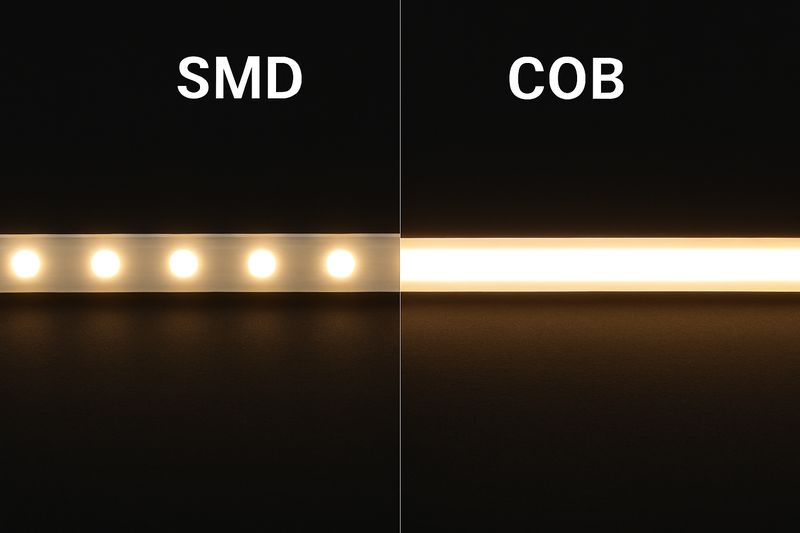
- Use diffusers6: These eliminate hot spots and make the strip appear as a solid line of light.
The extra 20–30 minutes for a clean installation pays off. Not just in looks, but also in longevity. Your strip will be better protected from grease, steam, and dust.
Should you put warm or white light under cabinets?
Too warm looks yellow, too white feels cold.
Use 3000K to 4000K for balanced, welcoming under cabinet lighting.
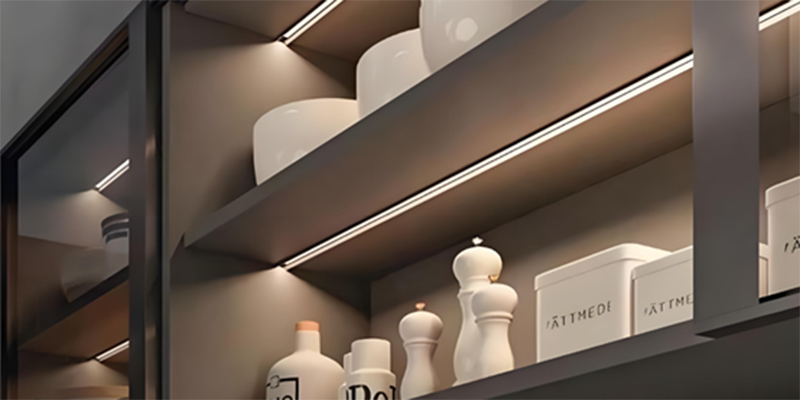
My client once insisted on 2700K strips because she wanted a cozy look. Her kitchen had blue cabinets and a white marble backsplash. When we installed the lights, the cabinets looked green and the marble appeared beige. She was shocked. We changed it to 4000K, and everything looked clean and accurate.
Color Temperatures and Cabinet Colors
Different cabinet materials react to light differently. Here’s what I’ve learned:
| Cabinet Color/Material | Best Color Temp | Reason |
|---|---|---|
| White or Grey Cabinets | 4000K–5000K | Enhances modern look |
| Wood Finish | 2700K–3000K | Maintains warm appearance |
| Blue or Green Cabinets | 4000K | Avoids color distortion |
Using the wrong color can make everything look “off.” That’s why choosing the right light temperature is as important as the layout or design.
What is the best LED color for a kitchen?
Choosing the wrong LED color can kill your kitchen’s vibe.
Stick with 4000K–5000K LED color for kitchens to keep everything looking crisp and clean.
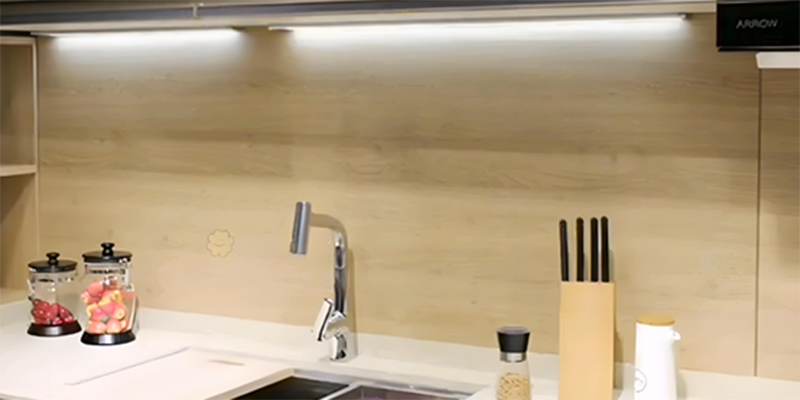
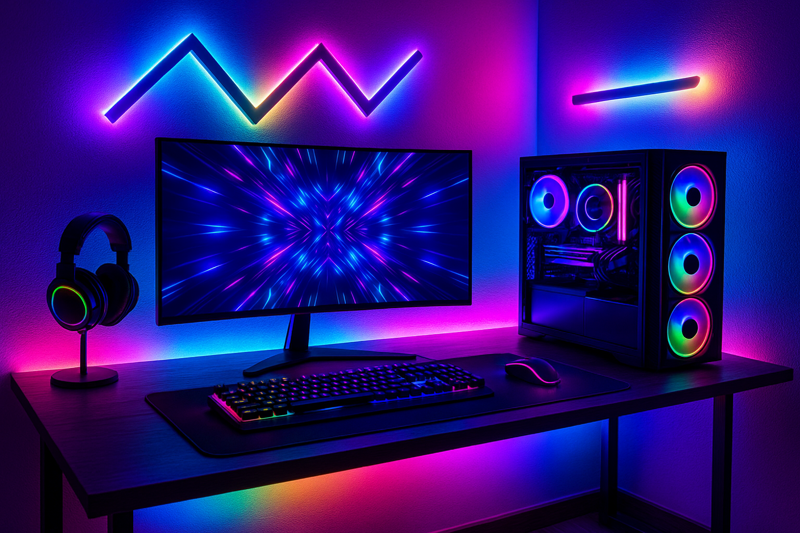
When we helped design a show kitchen for a lighting expo, we used RGB strips for a fun, eye-catching look. It was great for demos, but customers kept asking, “Can I actually cook here?” The answer was no. Functional kitchens need light that shows true colors and makes surfaces visible. We switched to 4500K white and everyone agreed—it finally looked like a real kitchen.
LED Strip Color Types
| Type | Description | Suitable For |
|---|---|---|
| Warm White | Cozy, yellow tone | Dining spaces |
| Cool White | Blue-ish, very bright | Utility rooms |
| Neutral White | Clean, balanced | Kitchens and bathrooms |
| RGB | Multi-color, for decor only | Bars, display cabinets |
| RGBW | RGB plus white for flexibility | Accent + general lighting |
Why I Recommend Neutral White
- Looks clean and modern
- Shows food in natural tones
- Works well with both wood and metal finishes
- Offers best balance of mood and functionality
Unless you’re going for a bar-style kitchen, skip RGB. Choose color that helps you work, eat, and enjoy the space.
Conclusion
Choose the right brightness, color, and setup—good kitchen lighting depends on more than just picking a strip.
Understanding lumen output is crucial for selecting the right LED lighting for your needs. Explore this link to learn more about it. ↩
Dimmable drivers enhance the versatility of LED lights, allowing for better control over brightness. Discover more about their benefits here. ↩
Understanding color temperature is essential for creating the right atmosphere in any space. Explore this link to learn more! ↩
Discover how tunable white LED strips can enhance your kitchen’s ambiance and functionality. Click to find out more! ↩
Learn how recessed mounting can create a seamless look for your LED strips, making them completely invisible and stylish. ↩
Discover how diffusers can enhance the quality of your LED lighting by eliminating hot spots and providing a uniform glow. ↩