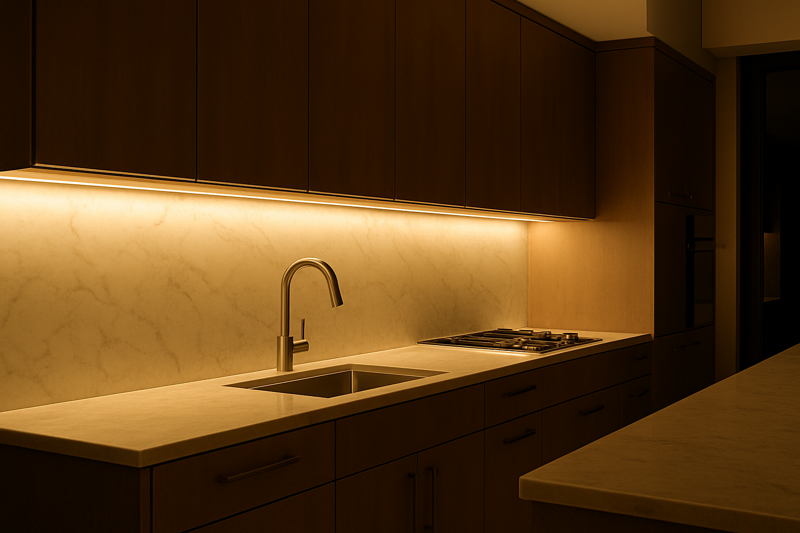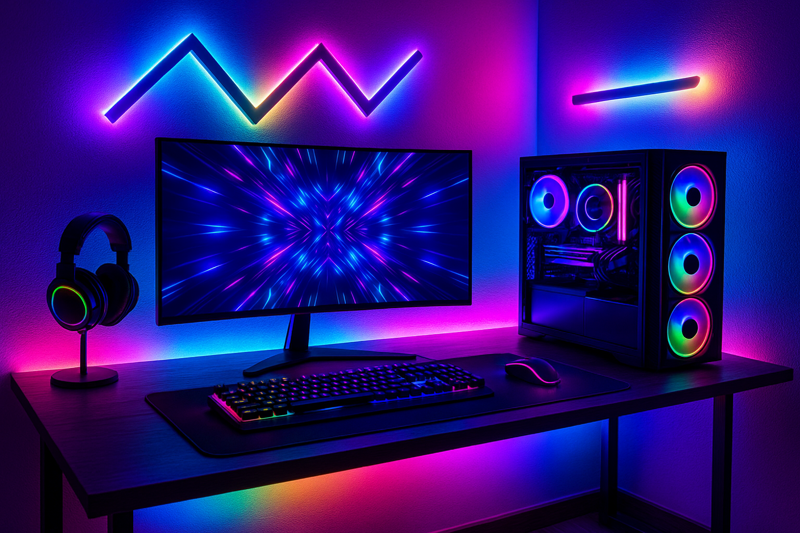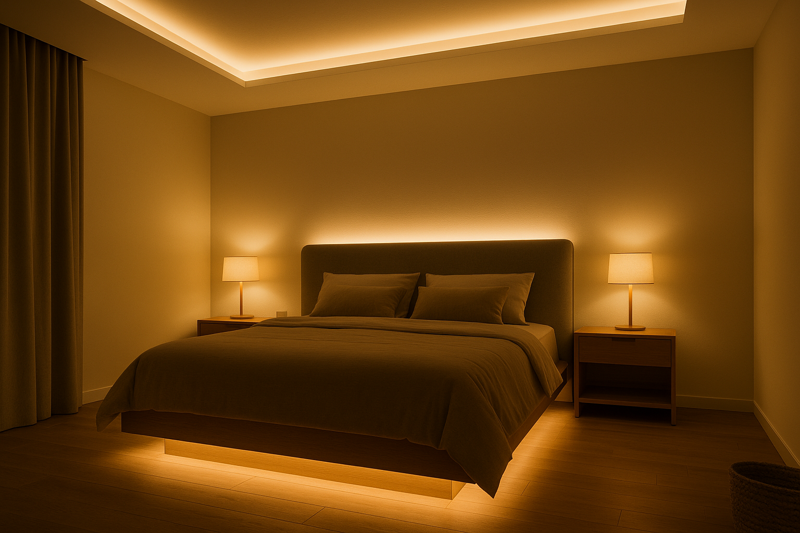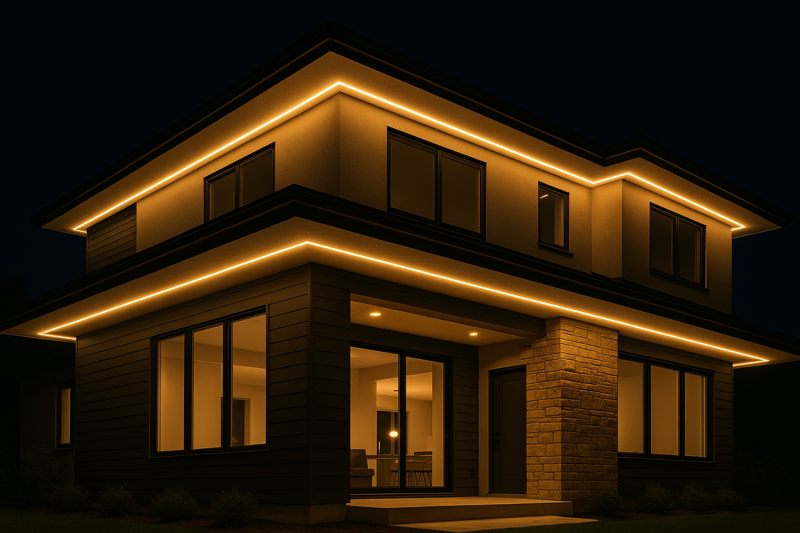
Struggling to choose between COB and LED? Let’s break it down.
COB lights offer focused intensity, while traditional LEDs bring flexibility and broader lighting.
Don’t rush—your lighting project deserves the right decision.
What is the disadvantage of COB light?
COB lights look great and shine bright—but not without trade-offs.
COB lights can overheat and are harder to repair than traditional LED lights.
Limited Heat Dissipation
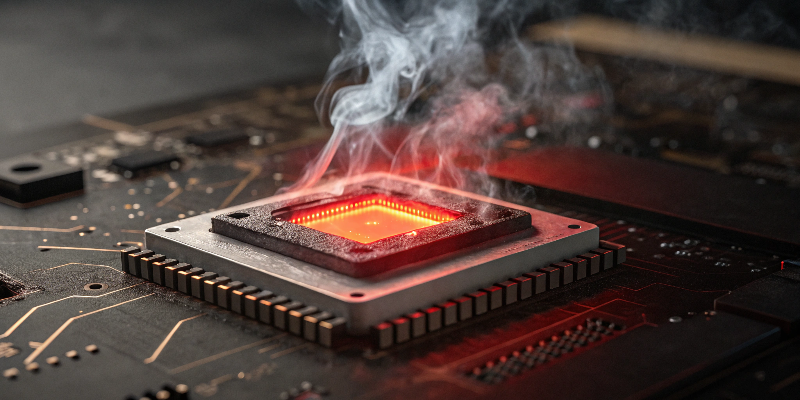
COB (Chip on Board) lights bond multiple LED chips on a small area. This produces intense light from a compact source. But this also concentrates heat in a smaller zone.
When I first used COB lights1 for a retail space, I noticed they ran hotter than expected. The integrated heat sinks2 worked well, but still needed additional ventilation. In poorly ventilated fixtures, the heat buildup can shorten lifespan or cause instability.
| Feature | COB Light | Traditional LED Light |
|---|---|---|
| Heat Generation | High (compact heat center) | Moderate (distributed heat points) |
| Repair Difficulty | Hard to replace individual chips | Easier to replace single modules |
| Initial Cost | Higher | Lower or medium |
Less Modularity
If one chip in a COB module fails, you may need to replace the whole unit. Traditional LEDs, by contrast, allow replacement of single diodes or segments.
This makes COB lights less service-friendly in long-term projects where field maintenance is frequent.
Which light is better—COB or LED?
Both COB and traditional LEDs shine—just in different ways.
COB is better for focus; traditional LED is better for flexibility and cost.
Purpose Drives the Answer
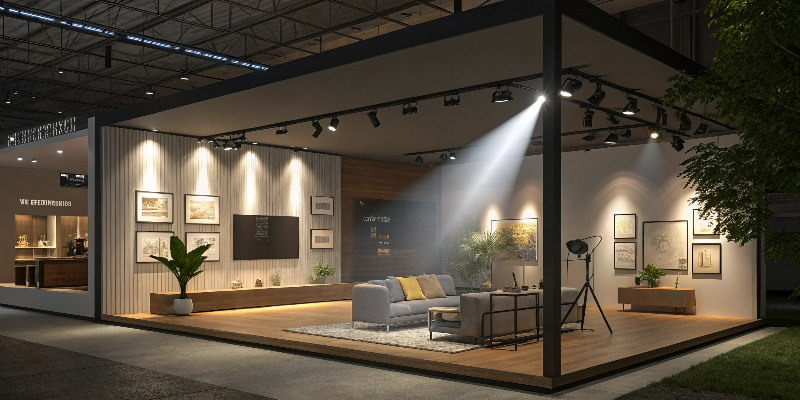
I often ask clients: What kind of light do you need—concentrated or diffused? COB wins when the project needs spotlighting, downlighting, or any tight-beam illumination. Traditional LED strips win when spread, customization, or modularity matter more.
| Scenario | Best Fit |
|---|---|
| Accent/Track Lighting | COB |
| General Room Lighting | Traditional LED |
| Outdoor Facades | Depends |
| Architectural Projects | Mix of both |
Integration with Controllers
Traditional LED strips offer better compatibility with RGB/RGBW controllers and dimmers. If you need dynamic lighting (color-changing or app control), traditional LEDs provide more options. COB is catching up, but still has fewer controller-ready products on the market.
What are the benefits of COB lights?
COB lights are more than just bright—they’re efficient and elegant.
COB lights produce a uniform, high-lumen beam from a small source.
Powerful and Compact
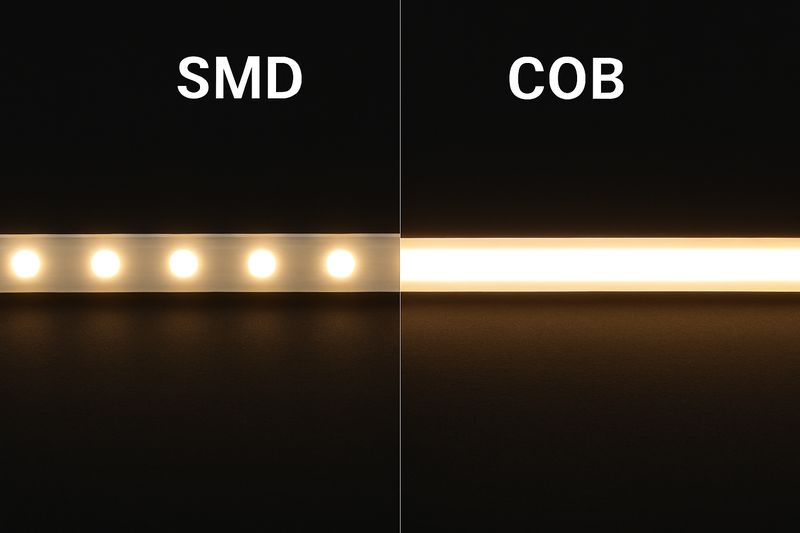
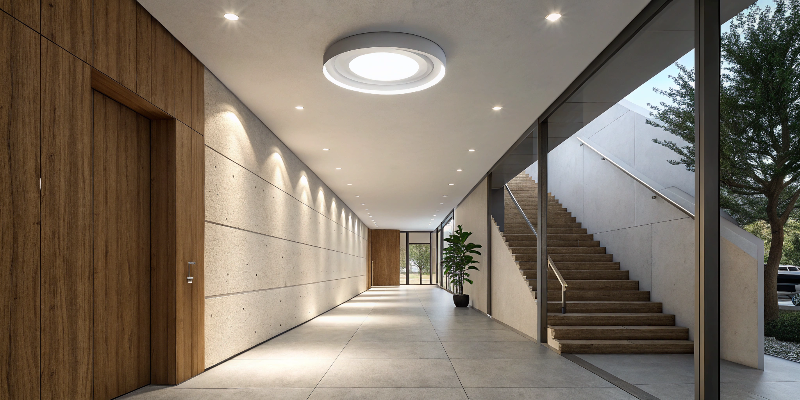
When I install COB-based spotlights3, the visual impact is instant. There’s no visible glare point or scattered dots—just clean, even light. This makes COB lights perfect for display cases, retail environments, or architectural wall washers.
Efficiency and Aesthetic
COB lights often achieve a higher lumen-per-watt ratio4 compared to multi-diode traditional LED modules. The optical uniformity creates smoother lighting transitions on walls and objects.
| Benefit | Explanation |
|---|---|
| Seamless Light Beam | No “dots,” pure illumination |
| Energy Efficiency | Lower heat loss, higher brightness |
| Compact Form | Small size allows sleek fixture designs |
Better for High CRI Applications
In professional projects—like galleries or high-end interiors—color accuracy is critical. COB lights often come with higher CRI options5 (95+), which helps showcase true colors better than standard LED strips.
How long do COB lights last?
Longevity matters, especially in commercial settings.
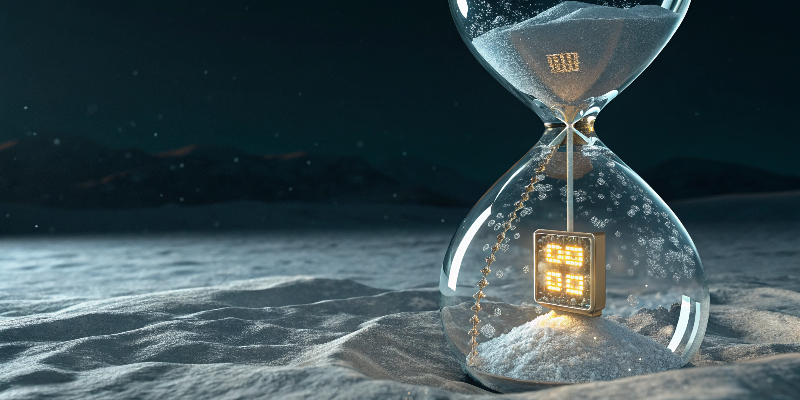
COB lights can last over 50,000 hours—if properly managed and cooled.
Depend on Cooling and Quality
In my experience, the biggest threat to COB lifespan isn’t the chip—it’s heat and voltage instability. When using UL-certified COB modules from verified suppliers like us at Rhlite, I’ve seen installations last over 6 years of daily operation.
| Factor | Impact on COB Lifespan |
|---|---|
| Heat Management | Essential; poor cooling shortens life |
| Voltage Regulation | Surge protectors and drivers increase lifespan |
| Operating Hours | COBs are designed for long duty cycles |
Factory Quality Is Key
Cheap COB modules—especially unbranded imports—can promise 50,000 hours but fail in 10,000. At Rhlite, we emphasize LM80-certified chips, and our drivers are tested to run COB lights at stable current. We offer OEM versions with reinforced heatsinks for long-term projects.
How long does the COB work light last?
Work lights need durability—COB can deliver that with the right specs.
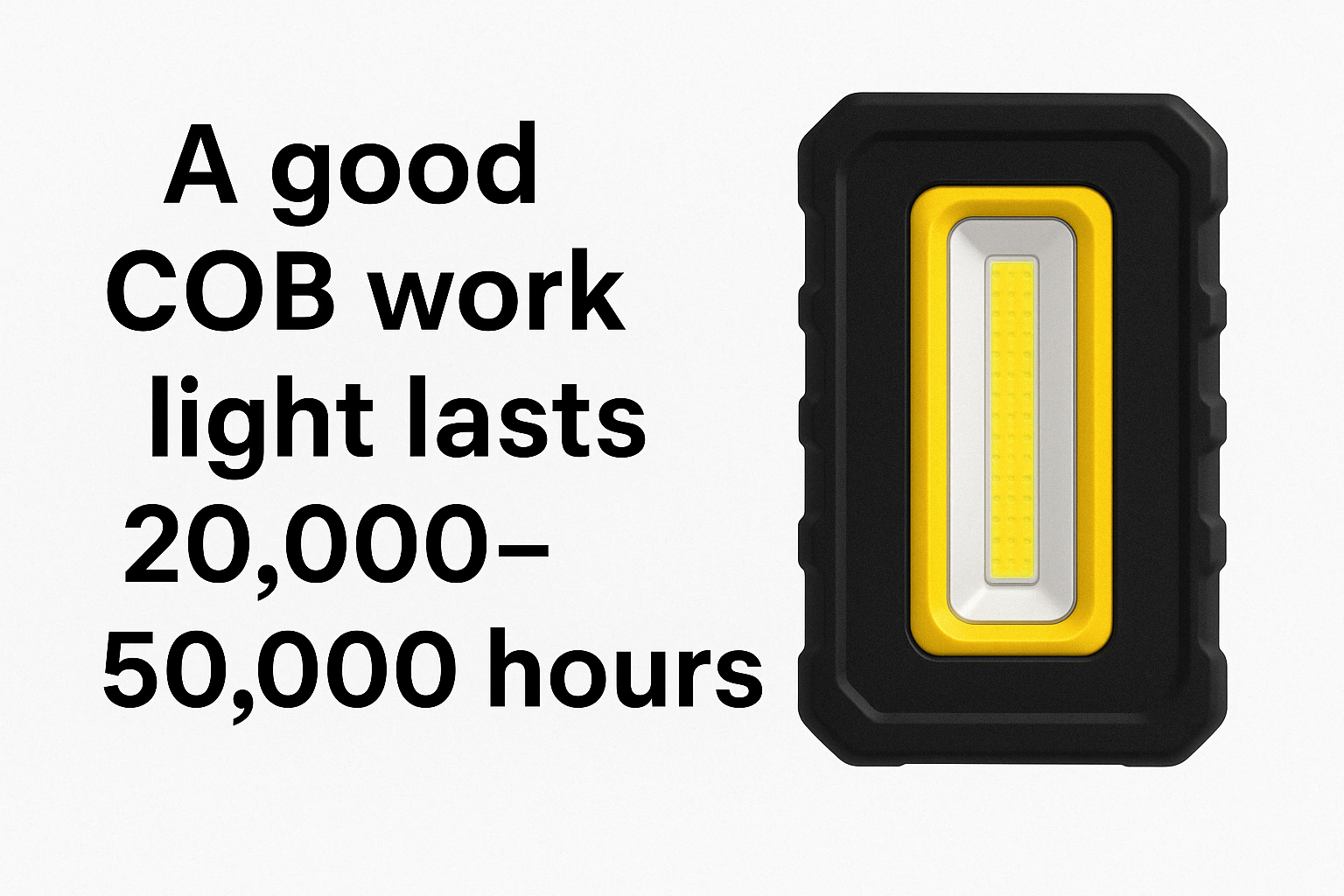
A good COB work light lasts 20,000–50,000 hours depending on usage and build.
Portable Lighting Needs
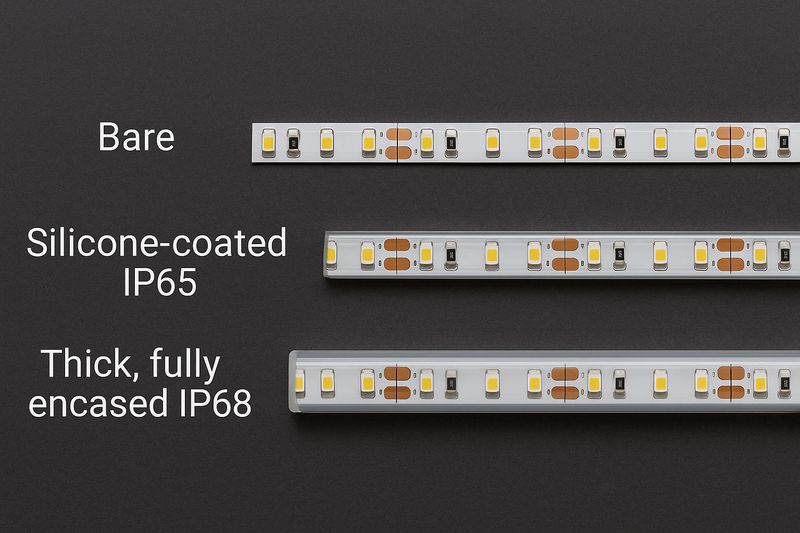
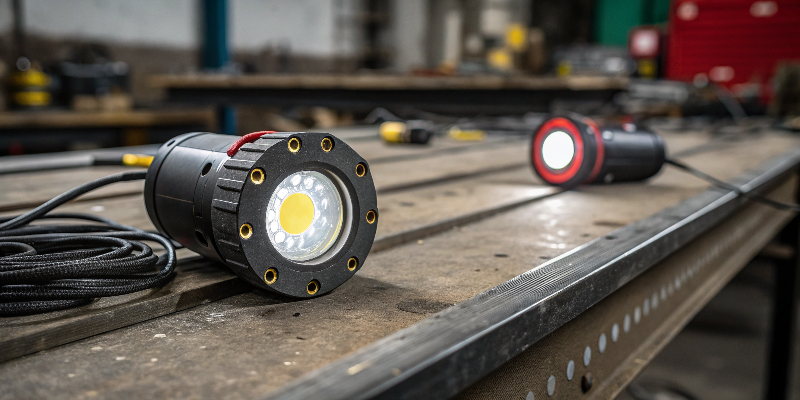
COB work lights used on construction sites or mobile tasks face a different set of challenges—shock, moisture, dust, and voltage surges. I usually recommend impact-resistant housings with IP65 ratings for these applications.
| Usage Style | Expected Lifespan |
|---|---|
| Occasional Use | 5+ years |
| Daily Worksite Use | 2–3 years (realistic) |
Don’t Forget Driver Protection
Battery-powered COB work lights often fail not because of the LED, but the internal driver. Look for surge protection, thermal cutoff, and overcharge safety in portable units.
Do COB lights get hot?
COB lights get hot—it’s part of their design trade-off.
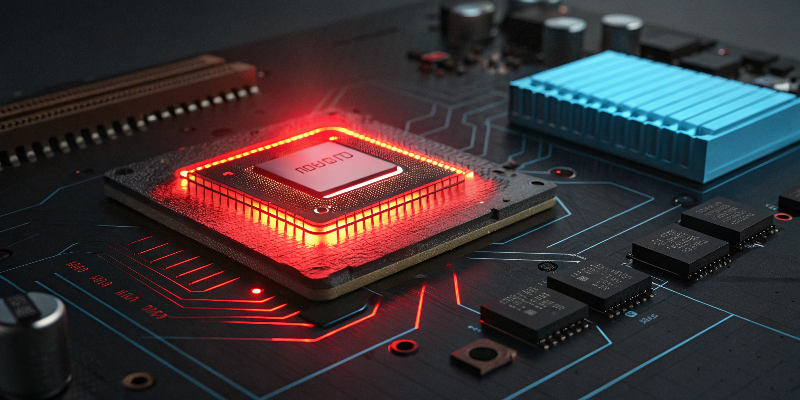
COB lights generate more heat per square inch than spaced-out LEDs.
Heat Density and Fixture Design
The reason COB lights run hotter isn’t because they’re inefficient—it’s because they pack a lot of light into a tight space. For architectural fixtures, that means including aluminum housing, ventilation slots, or even active cooling if needed.
My Recommendation for Installers
When I specify COB lighting for commercial clients, I always check thermal design first. Even in LED strip formats, COB tapes need backing aluminum channels to spread heat.
| Application Type | Cooling Needed |
|---|---|
| Recessed Downlight | High (enclosed space) |
| Wall Washer | Moderate (open space) |
| COB Strip Light | Yes, needs aluminum profile |
If you’re sourcing COB lights for a long-term architectural project, invest in UL-listed models with certified thermal management specs. It’ll save your project in the long run.
Conclusion
COB excels in focused, aesthetic lighting; traditional LEDs offer flexibility, lower cost, and easier maintenance.
Explore this resource to understand the benefits and drawbacks of COB lights, helping you make informed lighting choices. ↩
Learn about heat sinks and their role in LED lighting to ensure optimal performance and longevity of your fixtures. ↩
Explore the advantages of COB-based spotlights for enhanced lighting solutions in various settings. ↩
Understanding lumen-per-watt ratio can help you choose more efficient lighting options for your space. ↩
Learn about higher CRI options to improve color accuracy in your lighting projects, especially in art and design. ↩