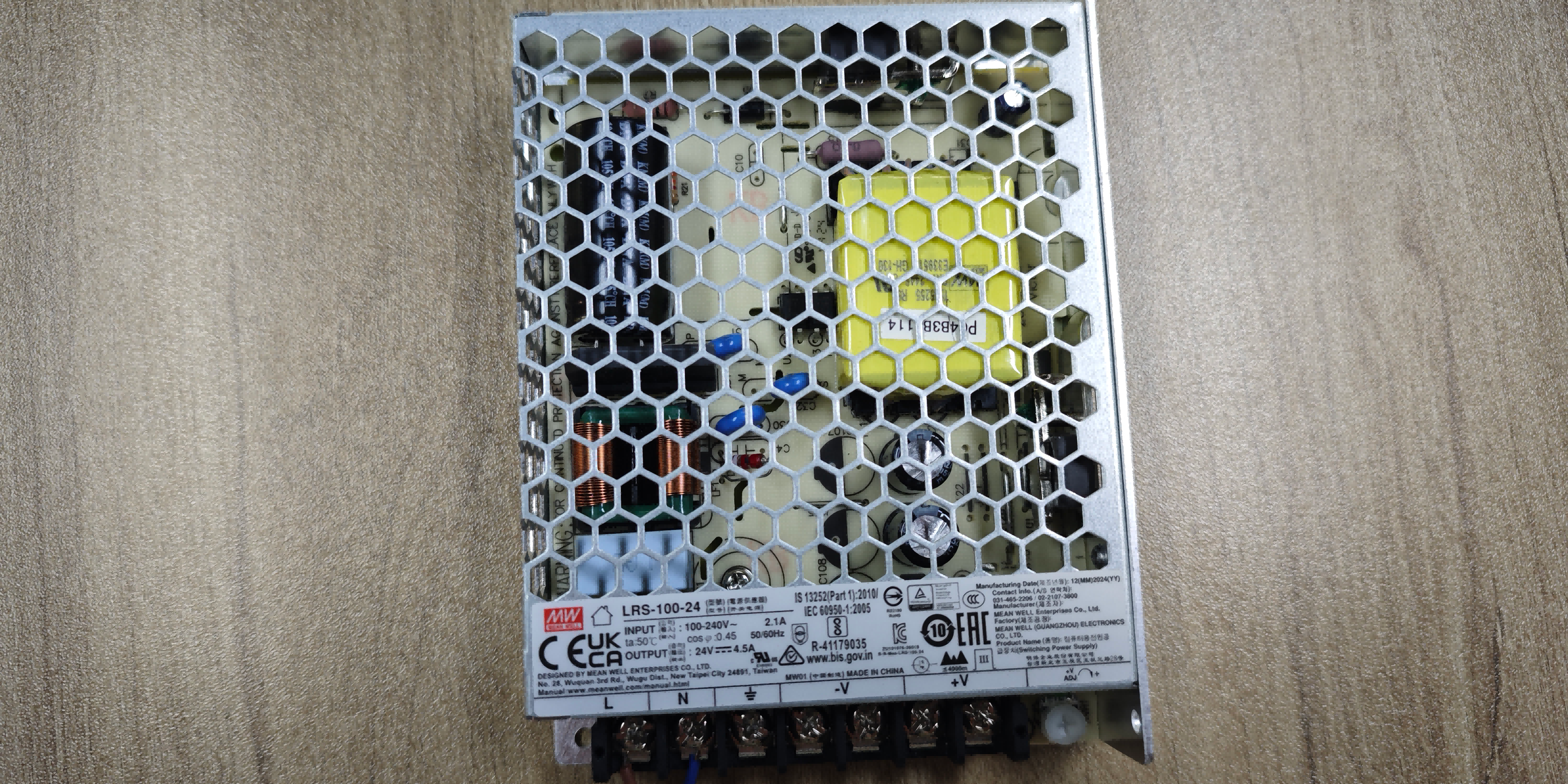
Struggling to match LED strip power needs? Wrong power kills projects fast.
Choose the right power supply by understanding voltage, current, and total wattage requirements.
Don’t guess your LED setup—let’s explore how to pick the right power supply with confidence.
How do I know what power supply to get for my LED strip?
Choosing blindly wastes time and money. Wrong voltage can burn your LEDs.
Check your LED strip’s voltage and wattage, then match with a compatible power supply.
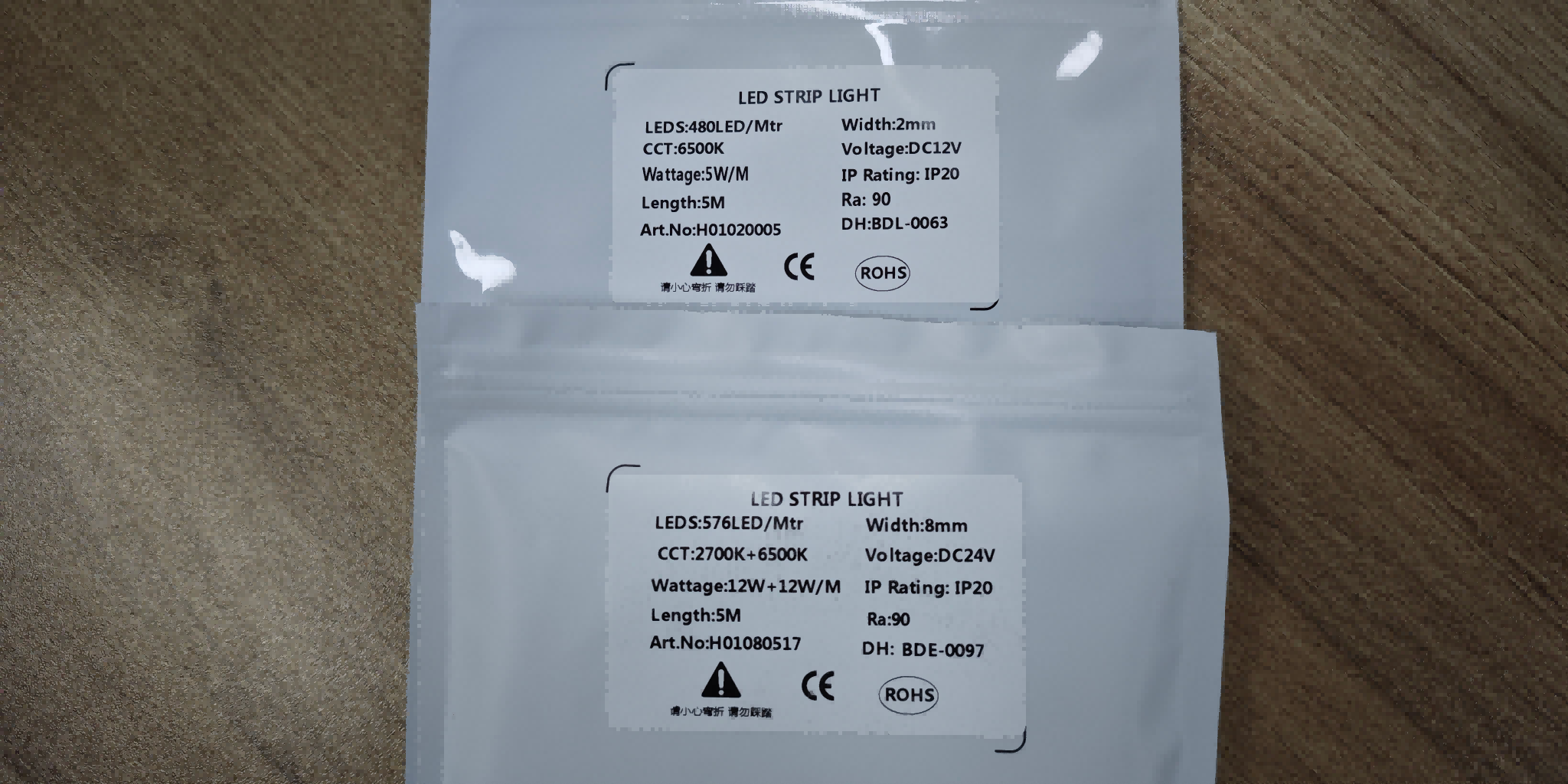
To choose the right power supply, I always start by reading the specs on the LED strip packaging or datasheet. There are three critical pieces of information: voltage, wattage per meter, and total length. Once I get these numbers, the rest is just basic calculation.
Why matching voltage is non-negotiable
Voltage mismatch leads to immediate damage or underperformance. For example:
- 12V strip with 5V supply: won’t light up
- 5V strip with 12V supply: burns out almost instantly
LEDs are not forgiving when it comes to voltage. That’s why I double-check voltage labels before connecting anything.
Example: Matching power supply for a 12V LED strip
| LED Strip Specs | Value |
|---|---|
| Voltage | 12V |
| Power per meter | 14.4W/m |
| Total length | 5m |
| Total power required | 14.4W x 5m = 72W |
| Final PSU size | 72W x 1.25 = 90W |
Adding a 25% buffer helps reduce heat buildup and extends the lifespan of both strip and power supply.
Common mistakes to avoid
- Choosing power supply by plug size instead of specs
- Underestimating total strip length
- Reusing adapters from other devices without checking specs
How do you size LED strip power supply?
Undersizing leads to shutdowns. Oversizing wastes money.
Size by calculating total wattage, then add a 20–30% safety margin.
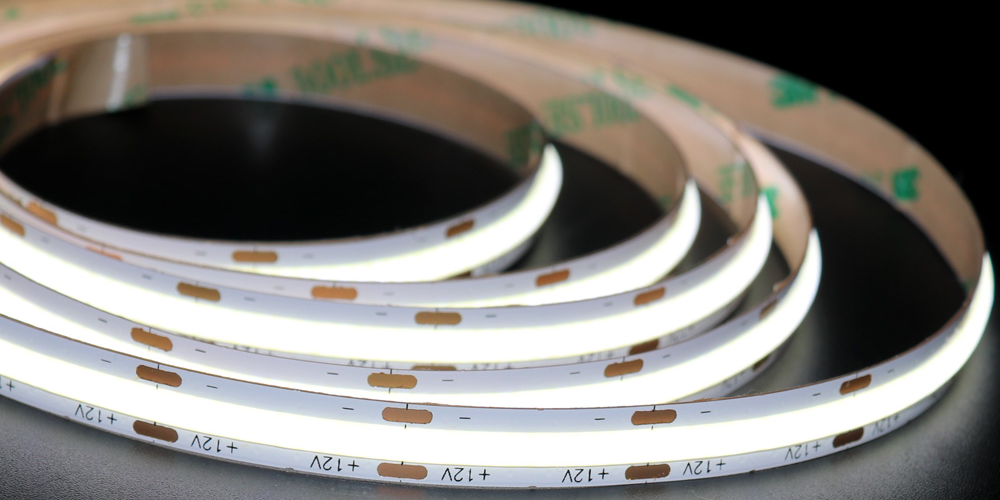
Power supply sizing is not guesswork. I used to think any power supply close to the required wattage was fine. But over time, I learned that accurate sizing prevents failures and improves performance.
Step-by-step sizing method
- Find wattage per meter1 from the strip label
- Multiply by total length to get total wattage2
- Add 20–30% margin3 for safety
For example, if I use a 24V strip rated at 18W/m and install 10 meters:
18W x 10m = 180W
180W x 1.3 = 234W
So I pick a 24V power supply rated for at least 240W.
Adjusting sizing based on the environment
| Installation Type | Suggested Buffer |
|---|---|
| Indoor, ventilated | 20% |
| Enclosed spaces | 30% |
| Outdoor or hot climates | 30–40% |
Adding a buffer also helps avoid problems when the strip runs at full brightness for long periods.
Future-proofing the setup
If I plan to add more LED strips later, I buy a power supply with extra wattage now. It saves time and cost in the long run and ensures I won’t need to rewire everything.
What are the different types of LED strip power supplies?
Using the wrong type causes overheating or flicker.
Choose between plug-in adapters, hardwired supplies, and waterproof drivers.
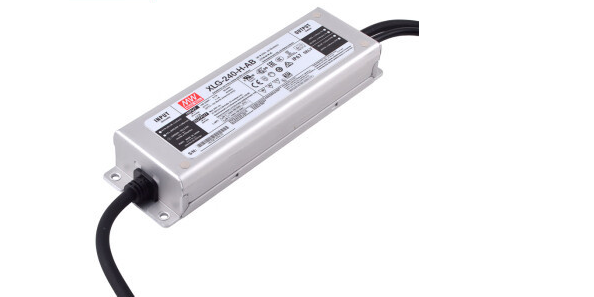
Not all power supplies are the same. Depending on the installation, I choose from three main types. The right type ensures safety, stability, and easy maintenance.
Plug-in adapters4
These are the simplest to use. I plug them into a standard wall socket. They are great for temporary setups or small applications under 60W, like bookshelf lighting or desktop displays. But they’re not ideal for long-term use or high-load applications.
Enclosed power supplies5
These are metal-case units with screw terminals. I use them in professional or permanent installations. They’re designed for ventilation, can handle higher wattage, and come in UL or CE certified versions. They require hardwiring but offer more reliability.
Waterproof power supplies6
These are sealed and rated IP65 or higher. I use them outdoors or in humid environments like bathrooms. They resist dust and moisture but are bulkier and harder to mount in tight spaces.
| Type | Max Output | Ideal Use | Notes |
|---|---|---|---|
| Plug-in Adapter | ~60W | Temporary setups | Easy but limited |
| Enclosed Power Supply | 100–300W | Indoor installations | Needs wiring |
| Waterproof Driver | 50–200W | Outdoor or wet areas | Bulkier, weatherproof |
Before selecting a type, I also consider installation location, safety requirements, and available space.
What happens if you plug a 5V into a 12V?
It seems harmless but kills your LEDs fast.
Applying 12V to a 5V LED strip will likely burn out the LEDs instantly.
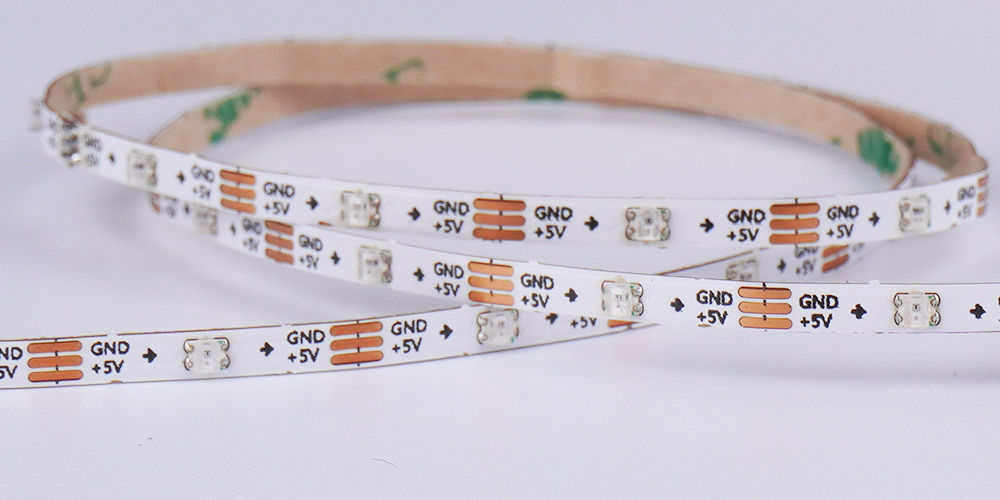
This is one of the fastest ways to destroy an LED strip. I made this mistake early on in my projects. A 5V strip connected to a 12V supply lights up very brightly for a second, then dies completely. There’s usually no warning.
What goes wrong internally
- The internal resistors can’t block the excess voltage
- LED chips overheat instantly and burn out
- PCB traces may melt or short circuit
There’s almost no way to repair the damage once this happens.
Voltage compatibility is critical
| Input Voltage | LED Strip Voltage | Result |
|---|---|---|
| 5V | 5V | Works normally |
| 12V | 5V | Burnout |
| 24V | 12V | Overheating, failure |
How I prevent this mistake
- Always label each power supply with its voltage
- Use keyed connectors that prevent mismatch
- Test power supply voltage with a multimeter before connecting
What happens if you put too many amps through an LED strip?
The strip only pulls what it needs—but wiring still matters.
LED strips draw only their rated current, but undersized wires may overheat and fail.
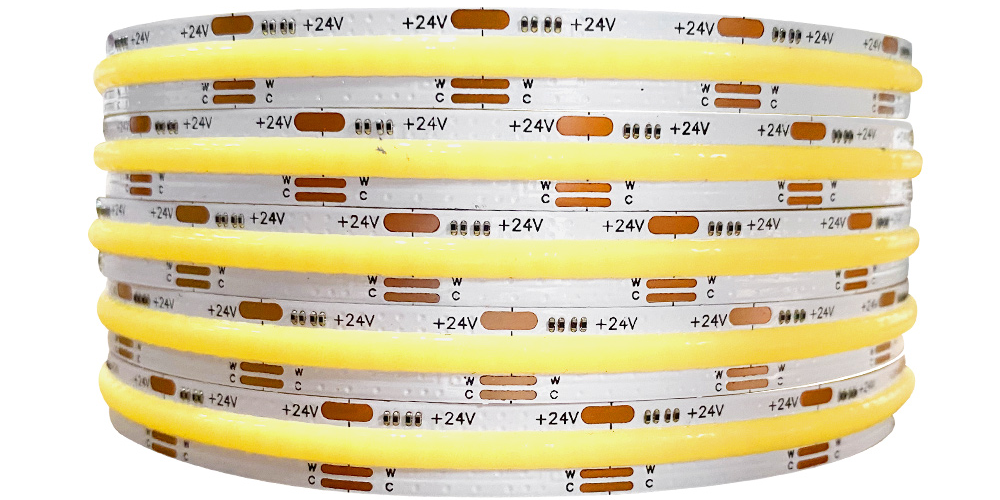
A power supply can have higher current capacity than needed without damaging the LED strip. The strip only draws the amount of current it is rated for. But I’ve learned the real problem comes from poor wiring.
Why excess amps don’t hurt the LED strip
LEDs are passive loads. They don’t “absorb” more current than they need. So if I connect a 10A power supply to a strip that only needs 5A, it’s completely safe—if everything else is designed correctly.
Where problems occur: the wiring
Wires that are too thin for the current load heat up and could catch fire. So I always calculate wire gauge based on expected current.
| Wire Gauge (AWG) | Max Amps | Max Length (approx) |
|---|---|---|
| 22 | 5A | Under 2m |
| 18 | 10A | Up to 5m |
| 14 | 15A | Up to 10m |
How I reduce risk
- Use thicker wire for longer runs
- Power long strips from both ends
- Avoid daisy-chaining too many sections together
Proper wire sizing is as important as picking the right power supply.
How do you calculate power supply for LED strip?
Guessing here leads to poor brightness or total failure.
Multiply strip wattage per meter by length, then add 20–30% safety margin.
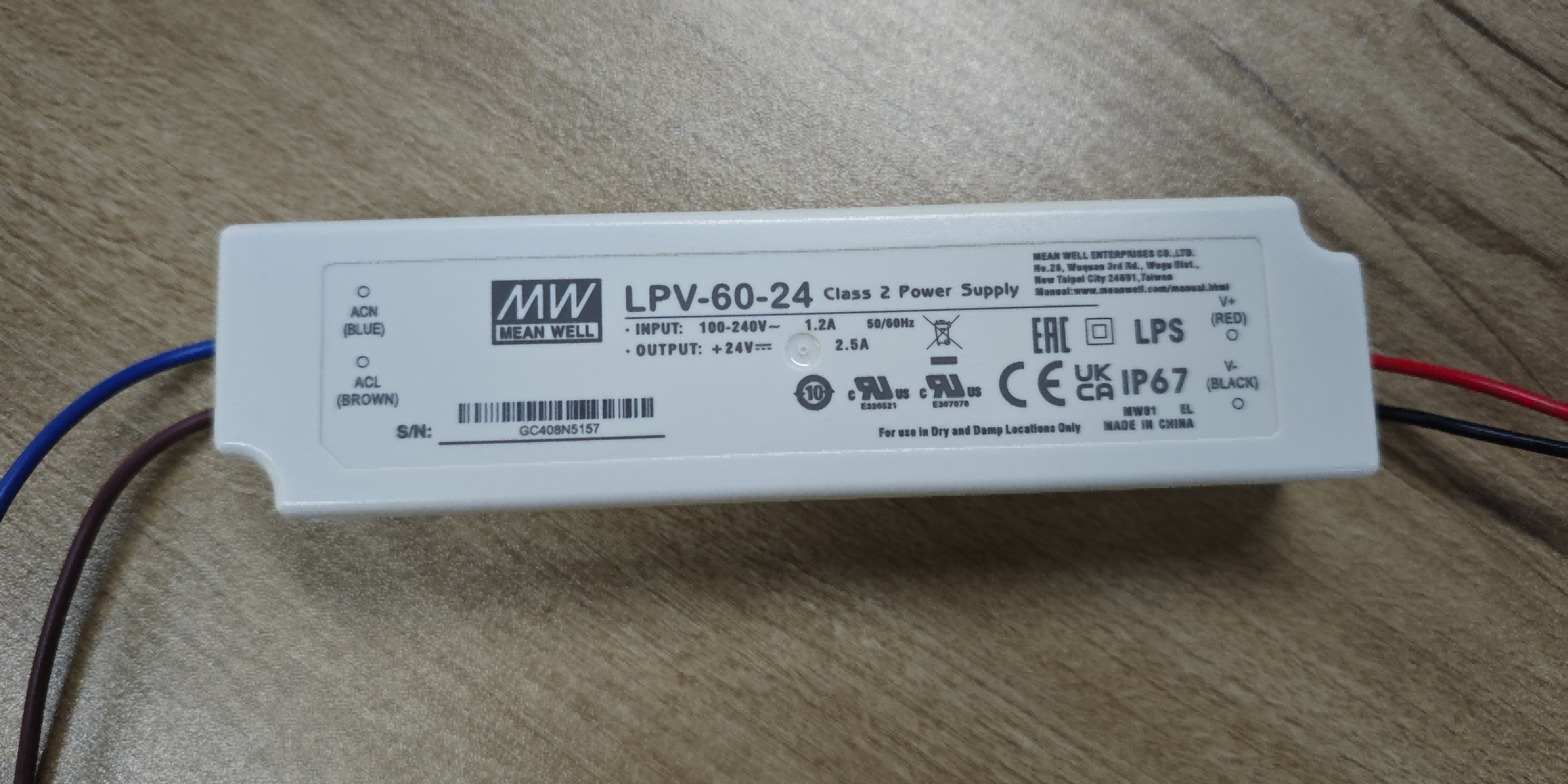
This is the part of the process I follow the most closely. Calculating the required power isn’t complicated, but skipping this step can lead to flickering, voltage drops, or even total failure.
Basic calculation method
Total Wattage = Wattage per meter × Total meters
Final PSU = Total Wattage × 1.25
Example calculation
If I use a 12V LED strip that consumes 8W/m and I need 6 meters:
8 × 6 = 48W
48 × 1.25 = 60W power supply needed
I usually round up to the nearest available PSU size, such as 60W or 75W.
| Strip Power | Length | Total Wattage | Recommended PSU |
|---|---|---|---|
| 10W/m | 5m | 50W | 62.5W |
| 14.4W/m | 3m | 43.2W | 54W |
| 18W/m | 7m | 126W | 157.5W |
Other things I always check
- Voltage must match the LED strip exactly
- Current rating must exceed the total demand
- Consider airflow and ambient temperature
Once I finish the math, I can shop for power supplies with full confidence.
Conclusion
Choose the right power supply by calculating total wattage, checking voltage, and adding a safety buffer.
Understanding wattage per meter is crucial for selecting the right power supply for your LED strips, ensuring optimal performance and safety. ↩
Calculating total wattage helps in choosing the correct power supply, preventing under or overloading your LED strips. ↩
A safety margin is essential to avoid overheating and ensure longevity of your electrical components, making your setup safer. ↩
Explore this link to understand how plug-in adapters can simplify your temporary setups and small applications. ↩
Discover the reliability and safety features of enclosed power supplies for professional installations. ↩
Learn about the significance of waterproof power supplies for outdoor and humid environments to ensure safety and durability. ↩