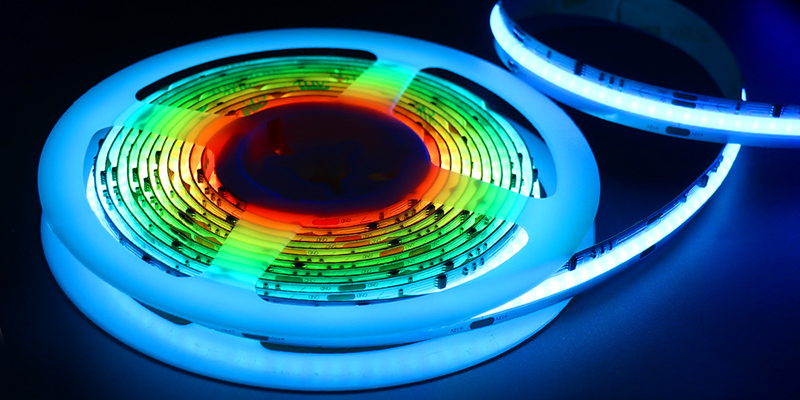
RGB stands for Red, Green, and Blue, the three primary colors of light. It’s used in devices to create a full spectrum of colors.
RGB is a system that uses red, green, and blue light to create a wide range of colors. It’s commonly used in lighting and digital displays.
Let’s dive into how RGB lighting works and why it’s so popular in modern technology.
What is RGB lighting used for?
RGB lighting is used to create colorful effects in different devices, from monitors to gaming peripherals and home lighting. It can change colors and brightness to enhance ambiance and user experience.
RGB lighting allows for dynamic color changes, making it popular in gaming setups, home decor, and even in cars. It creates personalized environments.
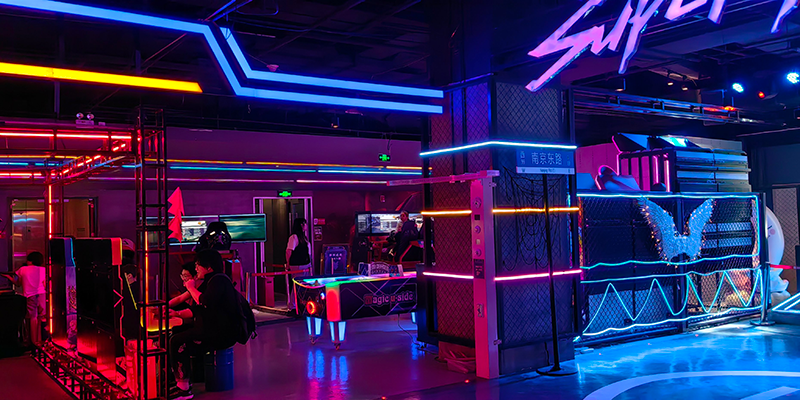
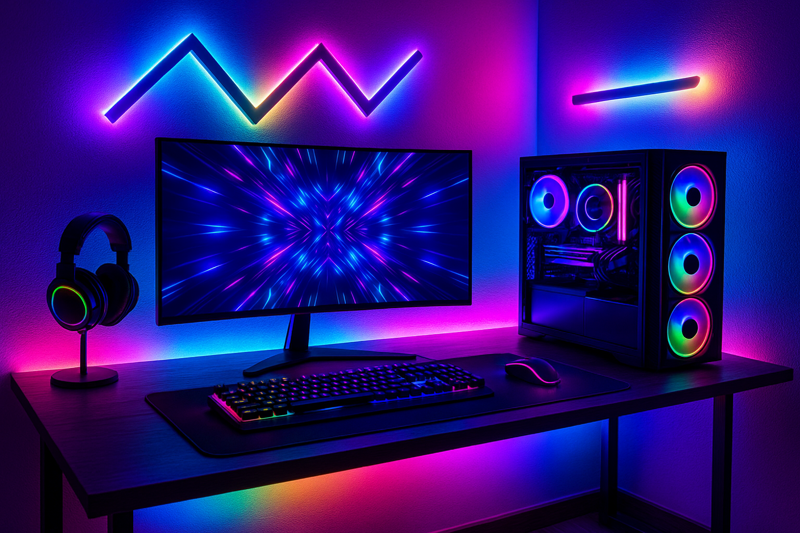
RGB lighting is versatile, used in various environments to elevate both functionality and style. It’s particularly popular in gaming setups, where vibrant lights not only enhance the aesthetics of the room but also add to the immersive experience. In gaming keyboards and mice, RGB lights offer customization, allowing users to program lighting effects that match their preferences or even specific game actions. For example, certain keys can light up when a game action occurs, creating a more interactive and engaging experience.
In the context of home decor, RGB lighting can set the mood and adapt to different situations. Whether it’s adjusting to softer tones for a relaxing evening or creating a lively, energetic vibe during a party, RGB lights allow you to adjust brightness and colors effortlessly. For home theater systems, RGB lights can be synchronized with screen content, further enhancing the cinematic experience. Some high-end TVs and sound systems even integrate RGB lighting to create an immersive atmosphere that complements on-screen visuals.
The Role of RGB in Gaming Setups
Gaming setups with RGB lighting allow players to personalize their equipment, creating an immersive and visually stimulating environment. RGB lighting enhances both the gaming experience and the overall aesthetic of the setup.
| Gaming Peripheral | RGB Use |
|---|---|
| Keyboards | Color-coded keys for functions and aesthetics |
| Mice | Customizable lighting patterns, reaction to game actions |
| PC Cases | Vibrant colors to match gaming themes |
| Headsets | Synchronization with game or room lighting |
RGB in Home Decor
RGB lighting in home decor brings flexibility and creativity. It allows homeowners to tailor their lighting based on mood, activity, or time of day, making it a dynamic and integral part of interior design.
| Home Area | RGB Application |
|---|---|
| Living Rooms | Ambient lighting for relaxation or social settings |
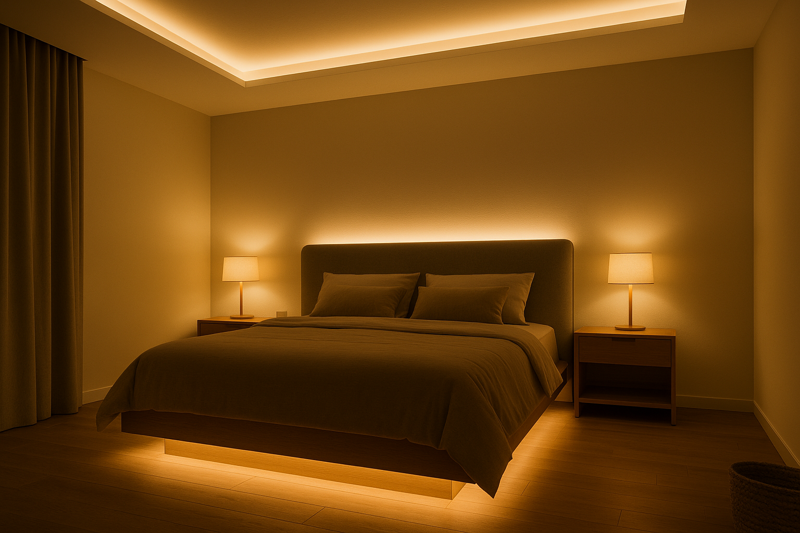
| Bedrooms | Soft, customizable light for sleep or rest |
| Home Theaters | Sync lighting with movie scenes for immersion |
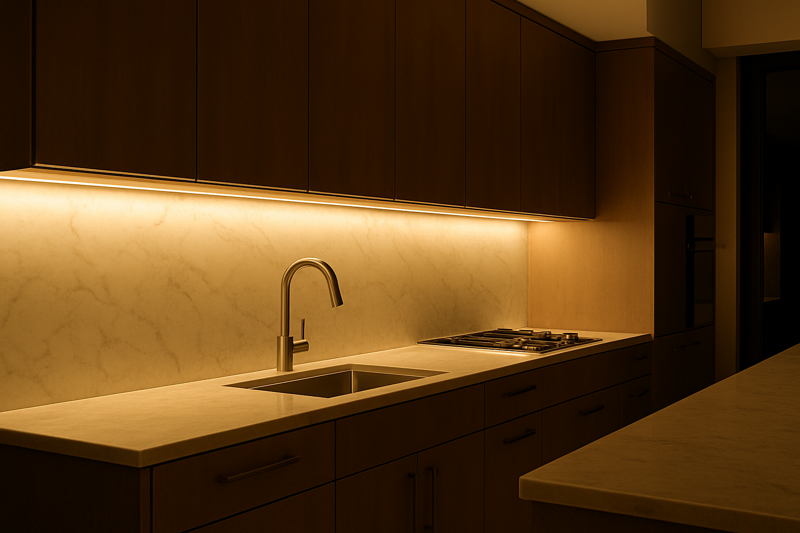
| Kitchens | Highlighting work areas with adjustable lighting |
By adding RGB lighting, you’re not just enhancing the visual appeal but also creating an atmosphere that matches your mood or the activity you’re engaged in.
What is the difference between LED and RGB lights?
LED lights are single-colored light sources, while RGB lights combine red, green, and blue LEDs to produce a spectrum of colors.
LED lights are one color, while RGB lights mix red, green, and blue LEDs to create various colors. RGB is a more versatile option for dynamic lighting.
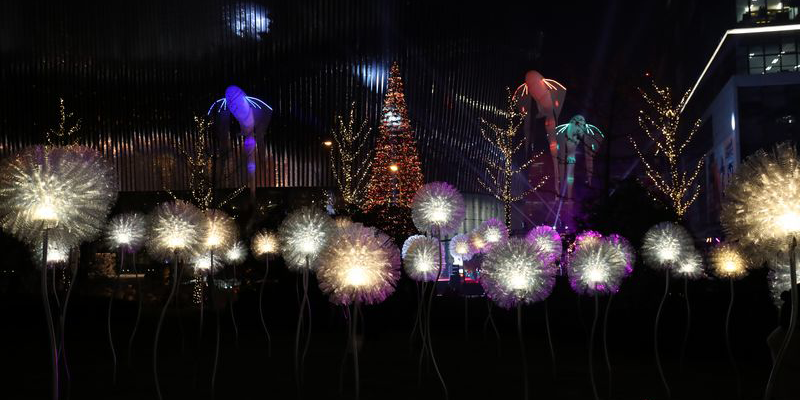
LED lights and RGB lights serve different purposes, each with its own set of advantages. Traditional LED lights are cost-effective, energy-efficient, and emit a single color. This makes them suitable for situations where consistent, uniform lighting is required, such as in task lighting, streetlights, or general lighting in homes and offices. They are widely used for providing illumination in areas that require a steady light source without needing to change color frequently.
On the other hand, RGB lights provide a much broader scope for creativity and adaptability. They combine red, green, and blue LEDs, which can be mixed in different intensities to create a wide range of colors. This is useful in settings where dynamic lighting is desired, such as in gaming, events, or interior design. RGB lights give users the ability to control color and brightness, making them ideal for those who want a customized lighting experience.
Practical Applications of LEDs
LEDs are often used for general, fixed lighting solutions due to their energy efficiency, durability, and simplicity.
| LED Application | Purpose |
|---|---|
| Street Lighting | Provides uniform, low-energy illumination |
| Office Lighting | Ensures task-oriented lighting |
| Ceiling Fixtures | Fixed light for rooms and hallways |
| Security Lighting | Constant lighting for safety and visibility |
Benefits of RGB Lighting
RGB lights are more flexible and can be adapted to various moods or activities, from gaming to relaxation.
| RGB Application | Purpose |
|---|---|
| Gaming Setups | Enhances immersive gaming environments |
| Event Decor | Customizable lighting to match themes |
| Home Theater Lighting | Synchronizes with visuals for enhanced experiences |
| Decorative Lighting | Personalizes space with different colors |
The main difference between LED and RGB lighting lies in versatility. While LEDs are perfect for static, energy-efficient lighting, RGB lights offer customizable color options for those seeking more dynamic effects.
Are RGB lights good for eyes?
While RGB lights are safe for the eyes in normal use, prolonged exposure to bright and intense lighting can cause discomfort.
RGB lights themselves are not harmful to the eyes, but excessive brightness or prolonged exposure to high-intensity lighting may lead to eye strain.
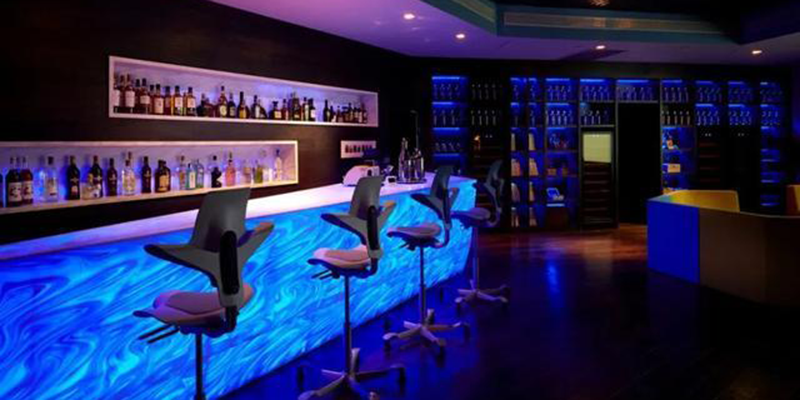
RGB lights, like any light source, can impact eye health if used improperly. For general use, the lighting is perfectly safe, and it’s similar to how we interact with screens. However, prolonged exposure to intense lighting or flashing lights can lead to eye strain or headaches, especially if the lights are too bright or used in dark environments. This is why it’s essential to adjust the brightness levels and take regular breaks when using devices with RGB lighting.
Another aspect to consider is the color temperature of RGB lights. Some colors, especially blue, can cause eye fatigue if used for long periods. This is due to blue light’s higher energy, which can lead to strain on the eyes. It’s advisable to set the brightness to moderate levels and use features like blue light filters or ambient lighting to reduce direct exposure to intense colors.
Blue Light and Eye Strain
Blue light, which is prevalent in RGB lighting, has been associated with eye strain and sleep disruption. Managing blue light exposure1 is key to minimizing discomfort.
| Potential Issue | Cause |
|---|---|
| Eye strain | Excessive brightness or contrast |
| Headaches | Prolonged exposure to flashing lights |
| Discomfort | High-intensity colors in dark environments |
Tips to Protect Your Eyes
Adjusting the brightness, using color filters, and taking breaks can help minimize the effects of RGB lighting2 on your eyes.
| Tip | Effect |
|---|---|
| Lowering brightness | Reduces strain and improves comfort |
| Using ambient lighting | Soothes the eyes and enhances focus |
| Blue light filters | Mitigates the harmful effects of blue light |
As long as you use RGB lighting responsibly, adjusting settings based on your needs, it won’t cause harm to your eyes.
Why do people like RGB lights?
People like RGB lights because they offer a high level of customization and aesthetic appeal, allowing for personalized lighting effects.
RGB lights are popular due to their ability to create personalized, dynamic lighting that enhances a room or space’s atmosphere.
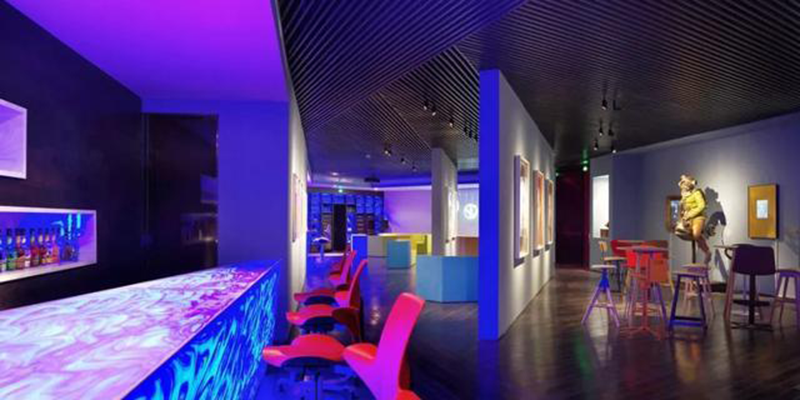
RGB lights have become more than just functional; they are a way for people to express their personality and creativity. Whether used in gaming setups, home decor, or office spaces, RGB lights provide an opportunity to add a unique touch to any environment. The ability to change colors based on mood, time of day, or activity makes RGB lights particularly appealing to those who want more control over their surroundings.
In gaming, RGB lighting enhances immersion, creating a more engaging atmosphere that matches the action on the screen. For home decorators, RGB lights offer an easy way to change the feel of a room—whether you’re hosting a party or unwinding after a long day. The flexibility to adjust lighting from bright whites to calming blues, or even vibrant reds, allows people to tailor their space to their preferences.
Customization and Personalization
RGB lighting allows users to create custom color schemes3 for different activities, adding a personal touch to any space.
| RGB Use | Customization Feature |
|---|---|
| Gaming Setup | Dynamic lighting based on in-game actions |
| Living Rooms | Color changes to fit mood or occasion |
| Office Spaces | Lighting adapted to productivity needs |
Social and Cultural Influence
RGB lighting has become a cultural trend4, with many associating it with modernity, technology, and creativity. It’s often used in social settings to create a sense of style or luxury.
| Social Setting | Use of RGB Lighting |
|---|---|
| Parties | High-energy lighting to match the atmosphere |
| Streamers | Immersive lighting for online audiences |
| Tech Enthusiasts | Showcasing cutting-edge tech and innovation |
As RGB lights can suit a wide variety of settings and preferences, they have gained immense popularity, especially in tech-savvy communities.
What are the 3 main RGB colors?
The three main RGB colors are Red, Green, and Blue. These are the primary colors of light that, when combined, create other colors.
Red, Green, and Blue are the three main colors in the RGB model, used to mix and create a wide range of hues.
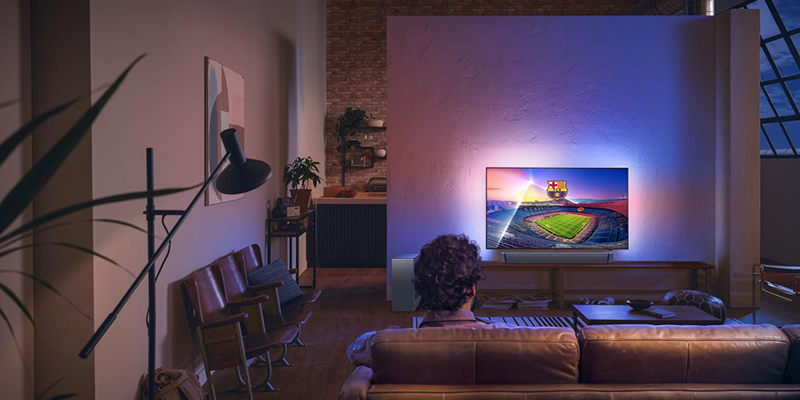
The RGB color model is based on the concept of additive color mixing. In this model, the three primary colors—Red, Green, and Blue—are combined in varying intensities to create a full spectrum of colors. When all three colors are mixed at their full intensity (255 for each), they create white light. When no light is emitted (0 for each), it results in black.
By adjusting the intensity of each color, you can create a variety of hues. For example, combining red and green produces yellow, green and blue create cyan, and red and blue make magenta. This system is used in digital screens, cameras, and lighting systems, where precise control over each color helps create millions of shades.
The Additive Color Model
RGB is an additive color model, meaning colors are created by adding light to a black background. Mixing red, green, and blue light in varying degrees results in different colors.
| Color Combination | Resulting Color |
|---|---|
| Red + Green | Yellow |
| Green + Blue | Cyan |
| Red + Blue | Magenta |
| Red + Green + Blue | White |
RGB and Digital Displays
RGB colors are the foundation of digital displays, creating the vibrant visuals we see on screens.
| Device Type | RGB Application |
|---|---|
| Smartphones | Full-color screens for clarity |
| TVs and Monitors | Accurate color representation |
| Projectors | Bright, sharp colors for presentations |
The RGB model is central to modern display technology and allows for rich, vibrant color reproduction.
What devices use RGB for color?
Devices such as monitors, TVs, gaming peripherals, and smart lighting systems commonly use RGB to display colors.
RGB is used in many devices, including monitors, keyboards, and smart lights, for vibrant, customizable color displays.
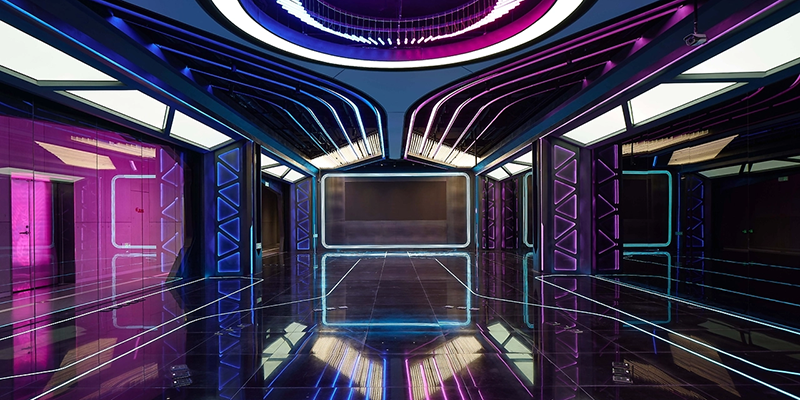
RGB technology is widespread, finding applications in various devices across different industries. In consumer electronics, you’ll find RGB in TVs and monitors, where it allows for rich, vibrant color displays that enhance viewing experiences. Whether you’re watching a movie, playing a game, or editing photos, RGB colors help bring images to life with sharp contrast and accurate color representation.
In gaming, RGB lights are used in peripherals like keyboards, mice, and headsets, offering customization and enhancing the immersive experience. Additionally, smart lighting systems use RGB LEDs to adjust the lighting in a room based on preference, time of day, or activity. RGB can also be seen in automotive lighting, where it adds flair to the interior and exterior of vehicles.
RGB in Entertainment
In entertainment systems, RGB lighting enhances both the visual and auditory experience, syncing colors with sound and images.
| Device Type | RGB Use |
|---|---|
| TVs | Cinematic color enhancement |
| Projectors | Vibrant color and sharpness |
| Sound Systems | LED accents matching music |
RGB in Automotive Lighting
RGB is also found in automotive lighting5, where it adds style and a modern touch to both the interior and exterior.
| Automotive Area | RGB Application |
|---|---|
| Interior Lighting | Footwell, dashboard lighting |
| Exterior Lighting | Under-car and wheel lighting |
| Customization | Personalized, dynamic color changes6 |
The versatility of RGB technology makes it indispensable in creating dynamic, personalized experiences across a range of devices.
Can you make every color with RGB?
No, not every color can be made with RGB because it’s based on light mixing and doesn’t cover all colors in the visible spectrum.
While RGB can create millions of colors, it cannot produce every color in the visible spectrum, particularly those outside of light-based color mixing.
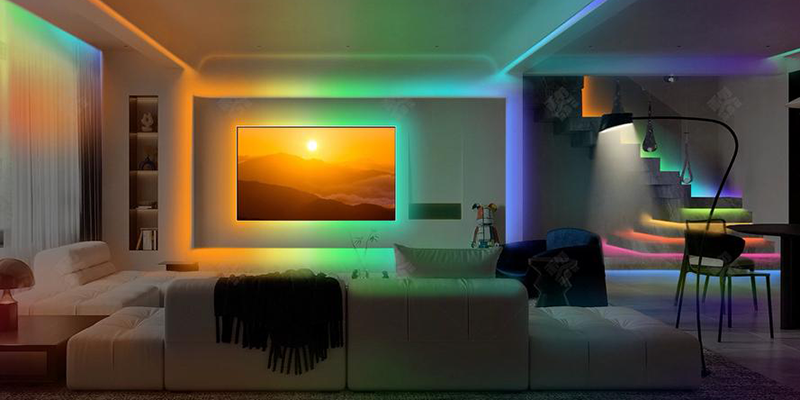
RGB is highly versatile and can create millions of colors by mixing the three primary colors—red, green, and blue. However, the system is limited to colors that can be represented by the combination of light waves, meaning it cannot produce certain hues, especially those outside the RGB color space. Some colors, such as pure pigments or those in the cyan range, are difficult or impossible to replicate accurately with RGB lighting.
Additionally, RGB is different from color models like CMYK, which is used for printing, where colors are created by combining cyan, magenta, yellow, and black inks. In the RGB model, some colors are more accurately reproduced than others due to the limitations of light mixing, especially when comparing to the full spectrum of human-visible colors.
Limitations of RGB in Color Mixing
While RGB is extremely versatile, it can’t reproduce every color in the visible spectrum. It struggles to match certain shades, particularly those outside the additive color model.
| Limitation | Reason |
|---|---|
| Color Gamut | RGB cannot produce every visible color |
| Light-based mixing | Some pigments and hues are not light-based |
RGB vs. CMYK: A Color Model Comparison
While RGB is best for digital applications, CMYK is used in printing and has a different color gamut. This is important for applications where accurate color reproduction is essential.
| Model | Application | Best For |
|---|---|---|
| RGB | Digital Displays | Screen-based color rendering |
| CMYK | Printing | Accurate color reproduction in printed materials |
While RGB is incredibly versatile, it doesn’t cover the entire spectrum of visible colors, limiting its use in certain specialized applications.
Conclusion
RGB allows for vibrant, customizable lighting, but it has limitations in color reproduction and eye comfort.
Understanding blue light exposure is crucial for eye health, and this resource provides valuable insights and tips for protection. ↩
Explore how RGB lighting can impact your eye comfort and learn effective strategies to mitigate any negative effects. ↩
Learn tips and tricks for designing unique color schemes that reflect your personal style using RGB lighting. ↩
Discover the impact of RGB lighting as a cultural trend and its association with modernity and creativity. ↩
Discover the innovative applications of RGB in automotive lighting, adding style and personalization to vehicles. ↩
Learn about dynamic color changes and how they create personalized experiences in various applications, from entertainment to automotive. ↩